
Nexo Earn with Nexo
Crusoe pauses plan for AI campus in Wyoming that would have powered a city

Crusoe pauses plan for AI campus in Wyoming that would have powered a city

The 1.8 GW data center project known as Project Jade has been shelved at the customer's request, but the company says its broader pipeline remains intact

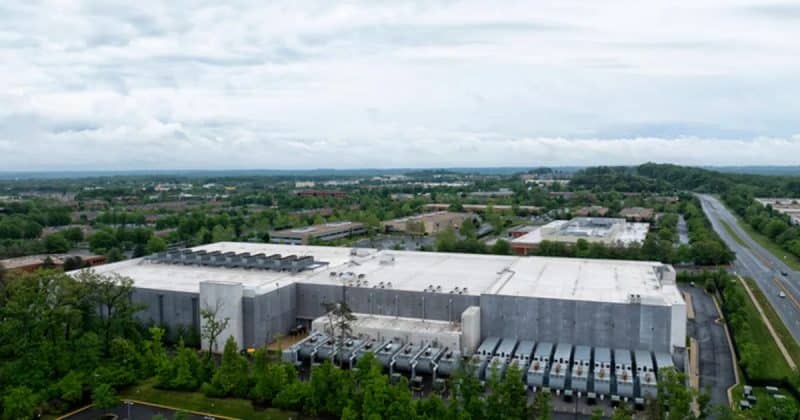
Crusoe, the AI infrastructure company that pivoted away from Bitcoin mining last year, has hit pause on what would have been one of the most ambitious data center projects ever attempted in the US. Project Jade, a planned 1.8-gigawatt facility in Cheyenne, Wyoming, has been shelved at the request of an undisclosed client.

To put 1.8 GW in perspective, that’s roughly enough electricity to power the entire city of Denver. And the project was designed to eventually scale to 10 GW.

What happened to Project Jade

Crusoe first announced Project Jade in July 2025 as a partnership with Tallgrass, an energy infrastructure company. The collaboration centered on using natural gas to power the facility, with CO2 sequestration built into the design.

Local approvals for the Wyoming site came through in January 2026, clearing the regulatory path for construction.

Advertisement

Then, sometime around mid-2026, the unnamed customer pulled the plug on their end. Crusoe has characterized this as a client-driven decision rather than a company-level retreat from AI infrastructure. The identity of that customer remains undisclosed.

Crusoe’s bigger picture looks different

Crusoe’s overall portfolio tells a more nuanced story. The company says it has nearly 5 GW of contracted capacity across its various data center projects.

Among those active projects is Crusoe’s involvement in the Stargate initiative, the high-profile joint venture between OpenAI and Oracle in Texas.

In March 2025, Crusoe sold its Bitcoin mining operations to NYDIG, effectively exiting crypto entirely to concentrate on AI infrastructure.

What this means for investors

The pause on Project Jade briefly spooked parts of the market, raising questions about whether AI compute demand was softer than the headline numbers suggested. Analysts have largely pushed back on that interpretation, suggesting the pause is a localized issue tied to one customer’s decision, not a bellwether for the broader AI infrastructure buildout.

The situation does highlight a real risk in the AI infrastructure space. These projects operate on enormous scale, often anchored by a single customer or a small handful of tenants. When one customer changes plans, the developer is left with a permitted site, a power procurement strategy, and no one to pay the bills.

Project Jade was designed around natural gas with carbon capture, a model that requires specific infrastructure partnerships and regulatory alignment. If Crusoe wants to revive the project with a different anchor tenant, it would likely need to renegotiate portions of the Tallgrass partnership as well.

Disclosure: This article was edited by Editorial Team. For more information on how we create and review content, see our Editorial Policy.

Crusoe pauses plan for AI campus in Wyoming that would have powered a city

Crusoe pauses plan for AI campus in Wyoming that would have powered a city

The 1.8 GW data center project known as Project Jade has been shelved at the customer's request, but the company says its broader pipeline remains intact

Crusoe, the AI infrastructure company that pivoted away from Bitcoin mining last year, has hit pause on what would have been one of the most ambitious data center projects ever attempted in the US. Project Jade, a planned 1.8-gigawatt facility in Cheyenne, Wyoming, has been shelved at the request of an undisclosed client.

To put 1.8 GW in perspective, that’s roughly enough electricity to power the entire city of Denver. And the project was designed to eventually scale to 10 GW.

What happened to Project Jade

Crusoe first announced Project Jade in July 2025 as a partnership with Tallgrass, an energy infrastructure company. The collaboration centered on using natural gas to power the facility, with CO2 sequestration built into the design.

Local approvals for the Wyoming site came through in January 2026, clearing the regulatory path for construction.

Advertisement

Then, sometime around mid-2026, the unnamed customer pulled the plug on their end. Crusoe has characterized this as a client-driven decision rather than a company-level retreat from AI infrastructure. The identity of that customer remains undisclosed.

Crusoe’s bigger picture looks different

Crusoe’s overall portfolio tells a more nuanced story. The company says it has nearly 5 GW of contracted capacity across its various data center projects.

Among those active projects is Crusoe’s involvement in the Stargate initiative, the high-profile joint venture between OpenAI and Oracle in Texas.

In March 2025, Crusoe sold its Bitcoin mining operations to NYDIG, effectively exiting crypto entirely to concentrate on AI infrastructure.

What this means for investors

The pause on Project Jade briefly spooked parts of the market, raising questions about whether AI compute demand was softer than the headline numbers suggested. Analysts have largely pushed back on that interpretation, suggesting the pause is a localized issue tied to one customer’s decision, not a bellwether for the broader AI infrastructure buildout.

The situation does highlight a real risk in the AI infrastructure space. These projects operate on enormous scale, often anchored by a single customer or a small handful of tenants. When one customer changes plans, the developer is left with a permitted site, a power procurement strategy, and no one to pay the bills.

Project Jade was designed around natural gas with carbon capture, a model that requires specific infrastructure partnerships and regulatory alignment. If Crusoe wants to revive the project with a different anchor tenant, it would likely need to renegotiate portions of the Tallgrass partnership as well.

Disclosure: This article was edited by Editorial Team. For more information on how we create and review content, see our Editorial Policy.