
Crypto’s esports divorce is complete: IEM Cologne Major 2026 runs without a single blockchain sponsor
Team Falcons' dominant 13-8 victory over FURIA in the grand finals first map highlights a tournament where traditional gambling brands have replaced crypto partnerships entirely
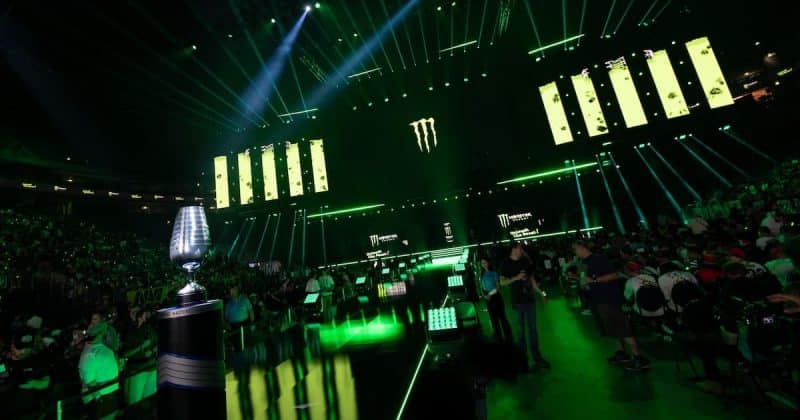
Team Falcons took the first map of the IEM Cologne Major 2026 grand finals with a convincing 13-8 victory over FURIA on June 21, 2026. The match, played inside Cologne’s LANXESS Arena as part of a best-of-five series, was a statement performance from the Saudi Arabian organization.
But for crypto observers, the more telling story is what wasn’t on the screen. Not a single blockchain, cryptocurrency, NFT, or Web3 sponsor appeared anywhere in the tournament’s branding. For an event with a prize pool estimated between $1.17 million and $1.25 million, that absence speaks volumes about where digital asset money stands in competitive gaming right now.
The FTX hangover, three years later
Rewind to 2021 and 2022, and crypto logos were plastered across every major esports event. FTX was the poster child of this era, throwing sponsorship dollars at everything from League of Legends circuits to CS tournament series.
Then FTX collapsed. By 2026, the correction is complete. Traditional gambling brands have stepped in to fill the void left by crypto companies, becoming the dominant sponsorship force at events like IEM Cologne.
Falcons’ rise in Counter-Strike 2
On the competitive side, Team Falcons’ performance tells a different kind of growth story. The organization, founded in 2017 and led by CEO Mosaad Al-Dossary, has been on a rapid climb through the Counter-Strike 2 ranks.
The news moving money, markets, and the world—before your day starts.
Daily. Free. Join 34,000+ readers across crypto, finance, and policy.
Their 13-8 map victory over FURIA wasn’t a nail-biter. It was controlled, methodical, and suggested a team comfortable on the biggest stage in CS2. Falcons secured their spot in the grand finals through playoff rounds that concluded in mid-June 2026, emerging alongside FURIA as the last two teams standing.
The Saudi-backed organization’s trajectory mirrors a larger trend of Middle Eastern investment flowing into competitive gaming, supported by Saudi government Vision 2030 initiatives. Where crypto companies once provided the flashy capital injections that fueled esports growth, sovereign wealth and traditional corporate money from the Gulf region have increasingly filled that role.
What this means for crypto and esports investors
During the last bull market, esports sponsorships were treated as proof that crypto was going mainstream. Exchanges and token projects spent aggressively on brand awareness, targeting the 18-34 demographic that dominates competitive gaming viewership.
The companies that survived the bear market are spending their marketing budgets differently now, focusing on product development and regulatory compliance rather than logo placements on tournament broadcasts. This isn’t a case where established exchanges pulled out and smaller protocols stepped in. The entire category has retreated.
A prize pool north of $1 million, filled primarily by traditional sponsors, shows that the esports industry doesn’t need crypto money to sustain itself.