
Nexo Earn with Nexo
Cuba acquires over 300 military drones from Russia and Iran, raising alarm over US bases

Cuba acquires over 300 military drones from Russia and Iran, raising alarm over US bases

US intelligence assesses that Cuban military planners are studying drone warfare strategies modeled on Iran's operations, with Guantanamo Bay among potential targets.

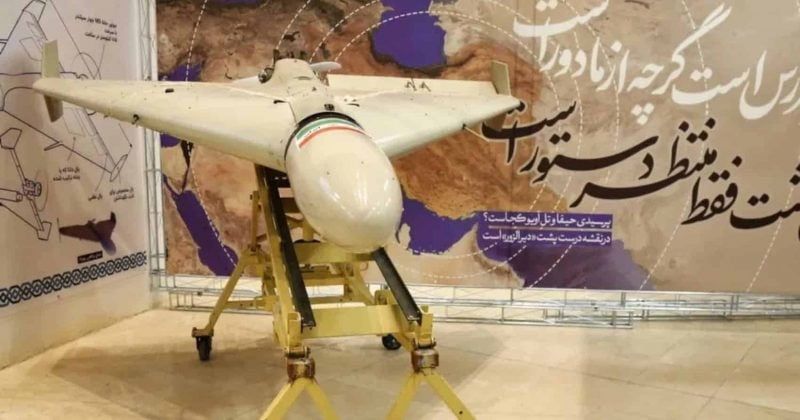
Cuba has quietly amassed more than 300 military-grade drones sourced from Russia and Iran since 2023, and US intelligence believes Cuban officials are actively discussing how to use them against American military targets. That list reportedly includes Guantanamo Bay Naval Base and US naval vessels operating in nearby waters.

The assessment, reported by Axios, marks a significant escalation in how Washington views the military threat posed by an island nation just 90 miles off the coast of Florida.

What the US knows about Cuba’s drone arsenal

The drones in question vary in capability and are reportedly stored across multiple locations throughout Cuba. The dispersed storage suggests a deliberate military posture designed to complicate any potential US response.

Advertisement

Iranian military advisers are reportedly on the ground in Cuba. Iran has spent years refining its drone warfare doctrine, most visibly through proxy forces in the Middle East that have targeted US military installations and personnel.

US intelligence indicates that Cuban military planners are studying drone warfare concepts, drawing direct inspiration from how Iran has deployed unmanned systems against American interests in the region.

US officials currently do not consider Cuba an imminent threat.

The broader military context

Cuba’s drone buildup doesn’t exist in a vacuum. The island already hosts Russian and Chinese signals-intelligence facilities, installations that have long been a source of anxiety for US national security officials. Adding a fleet of attack-capable drones to that infrastructure transforms Cuba from a passive intelligence-gathering partner for US adversaries into something with more offensive potential.

Relations between Washington and Havana have deteriorated significantly in recent years. The Trump administration reimposed sweeping sanctions, and against that backdrop, Cuba’s military partnerships with Russia, Iran, and China have deepened rather than receded.

What this means for US security strategy

The immediate question for US defense planners is how to counter a drone threat in the Caribbean without triggering a broader crisis. Guantanamo Bay sits on Cuban soil under a perpetual lease that Havana has contested for decades.

If Cuba successfully integrates drone warfare capabilities with the intelligence infrastructure already provided by Russia and China, it creates a combined threat where signals intelligence can identify targets and drones can reach them.

Disclosure: This article was edited by Editorial Team. For more information on how we create and review content, see our Editorial Policy.

Cuba acquires over 300 military drones from Russia and Iran, raising alarm over US bases

Cuba acquires over 300 military drones from Russia and Iran, raising alarm over US bases

US intelligence assesses that Cuban military planners are studying drone warfare strategies modeled on Iran's operations, with Guantanamo Bay among potential targets.

Cuba has quietly amassed more than 300 military-grade drones sourced from Russia and Iran since 2023, and US intelligence believes Cuban officials are actively discussing how to use them against American military targets. That list reportedly includes Guantanamo Bay Naval Base and US naval vessels operating in nearby waters.

The assessment, reported by Axios, marks a significant escalation in how Washington views the military threat posed by an island nation just 90 miles off the coast of Florida.

What the US knows about Cuba’s drone arsenal

The drones in question vary in capability and are reportedly stored across multiple locations throughout Cuba. The dispersed storage suggests a deliberate military posture designed to complicate any potential US response.

Advertisement

Iranian military advisers are reportedly on the ground in Cuba. Iran has spent years refining its drone warfare doctrine, most visibly through proxy forces in the Middle East that have targeted US military installations and personnel.

US intelligence indicates that Cuban military planners are studying drone warfare concepts, drawing direct inspiration from how Iran has deployed unmanned systems against American interests in the region.

US officials currently do not consider Cuba an imminent threat.

The broader military context

Cuba’s drone buildup doesn’t exist in a vacuum. The island already hosts Russian and Chinese signals-intelligence facilities, installations that have long been a source of anxiety for US national security officials. Adding a fleet of attack-capable drones to that infrastructure transforms Cuba from a passive intelligence-gathering partner for US adversaries into something with more offensive potential.

Relations between Washington and Havana have deteriorated significantly in recent years. The Trump administration reimposed sweeping sanctions, and against that backdrop, Cuba’s military partnerships with Russia, Iran, and China have deepened rather than receded.

What this means for US security strategy

The immediate question for US defense planners is how to counter a drone threat in the Caribbean without triggering a broader crisis. Guantanamo Bay sits on Cuban soil under a perpetual lease that Havana has contested for decades.

If Cuba successfully integrates drone warfare capabilities with the intelligence infrastructure already provided by Russia and China, it creates a combined threat where signals intelligence can identify targets and drones can reach them.

Disclosure: This article was edited by Editorial Team. For more information on how we create and review content, see our Editorial Policy.