
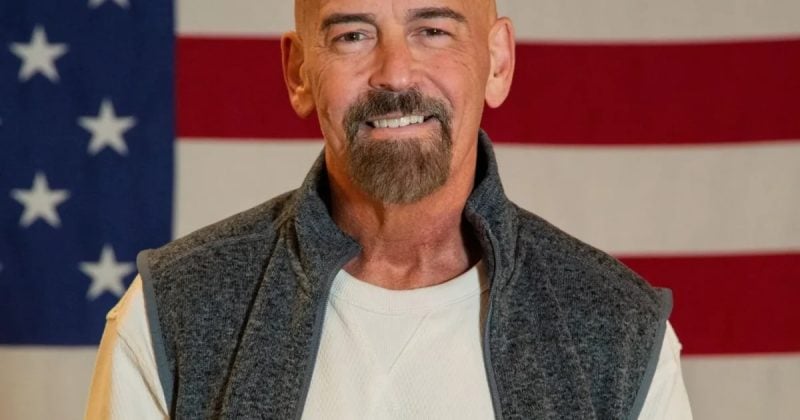
Deaton criticizes Trump admin’s Iran strategy, warns of Israel security risks

https://thescopeboston.org/10531/uncategorized/the-scopes-conversation-with-senate-candidate-john-deaton/

Deaton criticizes Trump admin’s Iran strategy, warns of Israel security risks

US-Iran peace talks

John Deaton has criticized the Trump administration’s diplomatic strategy with Iran, which he claims is damaging Israel’s security standing and the perceived alignment between Israel and the U.S. His remarks come amid ongoing peace negotiations in Geneva, where the U.S. and Iran are attempting to formalize a deal to end hostilities following the 2026 Iran war. Deaton argues that poor communication between the U.S. and Israel has weakened Israel’s deterrence capabilities. This criticism emerges as a significant divergence between the U.S. and Israeli leaders becomes apparent, with Netanyahu publicly rejecting the terms of the proposed deal.

Advertisement

Key Takeaways

  • Deaton’s criticism suggests a lack of confidence in current U.S. diplomatic efforts with Iran, potentially undermining peace talk prospects.
  • Market pricing for US-Iran peace talks by July 31, 2026, has decreased from 54% to 34.5% YES, indicating skepticism about the talks’ progress.
  • The divergence between U.S. and Israeli strategies appears to be consistent with reduced confidence in achieving a diplomatic resolution.

What to Watch

Observers should monitor for any official statements from the U.S. or Iran that might confirm or refute the possibility of continued negotiations. Developments such as a new round of talks being scheduled, or official confirmation of resolved issues, could influence market confidence. Conversely, further strategic disagreements between the U.S. and Israel or any military actions could exacerbate doubts about the success of ongoing peace efforts.

Get live prediction-market analysis, powered by Vera. Sign up for Vera.

Disclosure: This article was edited by Estefano Gomez. For more information on how we create and review content, see our Editorial Policy.

Deaton criticizes Trump admin’s Iran strategy, warns of Israel security risks

Deaton criticizes Trump admin’s Iran strategy, warns of Israel security risks

US-Iran peace talks

https://thescopeboston.org/10531/uncategorized/the-scopes-conversation-with-senate-candidate-john-deaton/

John Deaton has criticized the Trump administration’s diplomatic strategy with Iran, which he claims is damaging Israel’s security standing and the perceived alignment between Israel and the U.S. His remarks come amid ongoing peace negotiations in Geneva, where the U.S. and Iran are attempting to formalize a deal to end hostilities following the 2026 Iran war. Deaton argues that poor communication between the U.S. and Israel has weakened Israel’s deterrence capabilities. This criticism emerges as a significant divergence between the U.S. and Israeli leaders becomes apparent, with Netanyahu publicly rejecting the terms of the proposed deal.

Advertisement

Key Takeaways

  • Deaton’s criticism suggests a lack of confidence in current U.S. diplomatic efforts with Iran, potentially undermining peace talk prospects.
  • Market pricing for US-Iran peace talks by July 31, 2026, has decreased from 54% to 34.5% YES, indicating skepticism about the talks’ progress.
  • The divergence between U.S. and Israeli strategies appears to be consistent with reduced confidence in achieving a diplomatic resolution.

What to Watch

Observers should monitor for any official statements from the U.S. or Iran that might confirm or refute the possibility of continued negotiations. Developments such as a new round of talks being scheduled, or official confirmation of resolved issues, could influence market confidence. Conversely, further strategic disagreements between the U.S. and Israel or any military actions could exacerbate doubts about the success of ongoing peace efforts.

Get live prediction-market analysis, powered by Vera. Sign up for Vera.

Disclosure: This article was edited by Estefano Gomez. For more information on how we create and review content, see our Editorial Policy.