
Deep Fission seeks $157M NASDAQ IPO after previous failed listing
The Berkeley-based nuclear startup is trying again to go public, this time targeting a $1.66B valuation amid surging AI-driven energy demand.
Deep Fission, a nuclear energy startup founded just three years ago, launched its IPO roadshow on May 20 with plans to raise up to $156 million on the Nasdaq Global Market. The company is offering 6 million shares priced between $24 and $26 each, which would value the pre-revenue firm at roughly $1.66 billion.
Back in September 2025, Deep Fission tried to go public through a reverse merger with Surfside Acquisition Inc., a special purpose acquisition company. That deal targeted a far more modest $30 million raise and would have landed the company on the OTCQB exchange. The SPAC merger raised concerns due to the company’s unproven technology at the time.
Now Deep Fission is targeting proceeds more than five times larger than the SPAC attempt, with shares set to trade under the ticker FISN on the Nasdaq Global Market. There’s also a 15% overallotment option that could bring in an additional $23.4 million if demand is strong enough.
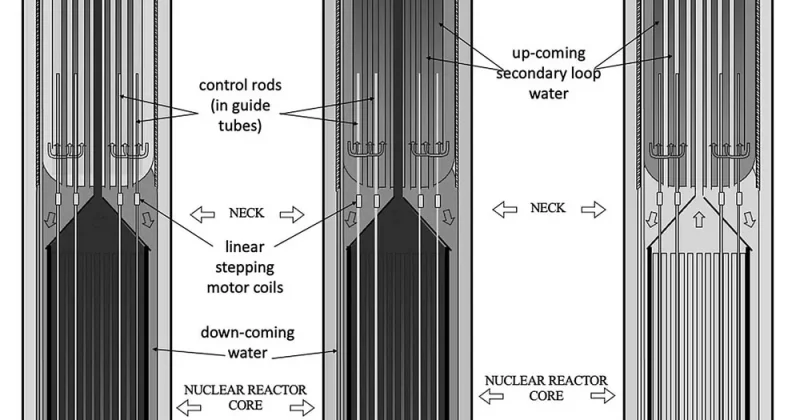
Founded in 2023 by Richard and Elizabeth Muller, Deep Fission is developing what it calls the Gravity Nuclear Reactor. The Berkeley, California-based company combines established pressurized water reactor technology with advanced subsurface installations in boreholes, minimizing surface infrastructure and enhancing safety through geological containment. The company plans to use IPO proceeds for engineering, research and development, licensing, and constructing its first pilot reactor.
That pilot demonstration is expected sometime in 2026, with commercial licensing goals set for 2027. Deep Fission raised $4 million in 2024 and supplemented that with $30 million through its SPAC transaction in 2025.
Global electricity demand is surging, driven in large part by the explosive growth of AI data centers. Deep Fission has attracted attention from potential customers, focusing on future capacity mainly intended for powering data centers and industrial applications. Microsoft signed a deal to restart a reactor at Three Mile Island. Amazon and Google have both explored nuclear power agreements.
Deep Fission has no disclosed connections to cryptocurrency or blockchain ventures. This is a traditional energy infrastructure play, focused on the broader energy market rather than any crypto-specific niche.