
Nexo Earn with Nexo
Digital asset investment products see $1.47B in outflows, marking third-largest weekly drop of 2026

Digital asset investment products see $1.47B in outflows, marking third-largest weekly drop of 2026

Bitcoin bore the brunt with nearly $1B in redemptions, while XRP and Solana quietly bucked the trend with modest inflows.

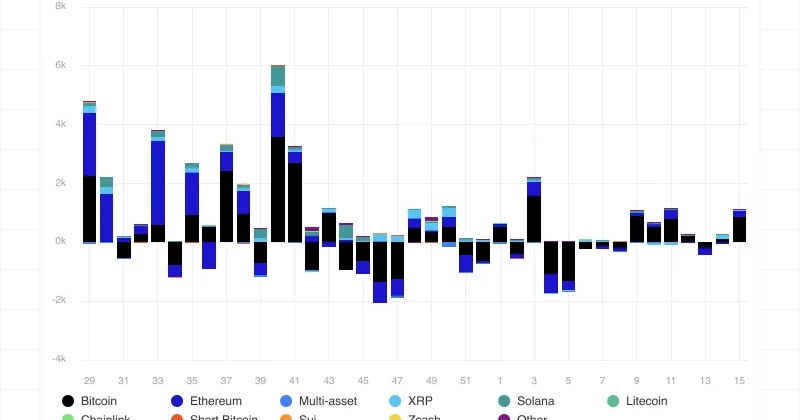
After six straight weeks of investors happily funneling cash into digital asset products, the music stopped. CoinShares reported approximately $1.07 billion in net outflows from digital asset investment products last week, snapping the winning streak and logging the third-largest weekly outflow of 2026.

The culprits are familiar: geopolitical tensions tied to Iran and shifting macroeconomic expectations around inflation and interest rates.

Advertisement

Bitcoin takes the biggest hit

Bitcoin products absorbed the lion’s share of the pain, hemorrhaging $982 million in outflows. Ether wasn’t spared either, with $249 million flowing out of ETH-linked products.

Total assets under management across digital asset investment products slipped to roughly $157 billion, down from $159 billion the prior week.

XRP products attracted approximately $68 million in inflows during the same period. Solana followed with roughly $55 million in fresh capital.

Geopolitics and macro anxiety driving the bus

CoinShares Head of Research James Butterfill pointed to geopolitical tensions surrounding Iran and evolving macroeconomic expectations as the primary catalysts for the outflows. Historical trends earlier in 2026 showed similar outflow spikes when global market dynamics became intertwined with geopolitical developments.

What this means for investors

Bitcoin products still carry a year-to-date positive net inflow of approximately $3.9 billion. That means that even after absorbing this week’s nearly $1 billion in redemptions, the cumulative 2026 trend for Bitcoin products remains solidly positive.

Disclosure: This article was edited by Editorial Team. For more information on how we create and review content, see our Editorial Policy.

Digital asset investment products see $1.47B in outflows, marking third-largest weekly drop of 2026

Digital asset investment products see $1.47B in outflows, marking third-largest weekly drop of 2026

Bitcoin bore the brunt with nearly $1B in redemptions, while XRP and Solana quietly bucked the trend with modest inflows.

After six straight weeks of investors happily funneling cash into digital asset products, the music stopped. CoinShares reported approximately $1.07 billion in net outflows from digital asset investment products last week, snapping the winning streak and logging the third-largest weekly outflow of 2026.

The culprits are familiar: geopolitical tensions tied to Iran and shifting macroeconomic expectations around inflation and interest rates.

Advertisement

Bitcoin takes the biggest hit

Bitcoin products absorbed the lion’s share of the pain, hemorrhaging $982 million in outflows. Ether wasn’t spared either, with $249 million flowing out of ETH-linked products.

Total assets under management across digital asset investment products slipped to roughly $157 billion, down from $159 billion the prior week.

XRP products attracted approximately $68 million in inflows during the same period. Solana followed with roughly $55 million in fresh capital.

Geopolitics and macro anxiety driving the bus

CoinShares Head of Research James Butterfill pointed to geopolitical tensions surrounding Iran and evolving macroeconomic expectations as the primary catalysts for the outflows. Historical trends earlier in 2026 showed similar outflow spikes when global market dynamics became intertwined with geopolitical developments.

What this means for investors

Bitcoin products still carry a year-to-date positive net inflow of approximately $3.9 billion. That means that even after absorbing this week’s nearly $1 billion in redemptions, the cumulative 2026 trend for Bitcoin products remains solidly positive.

Disclosure: This article was edited by Editorial Team. For more information on how we create and review content, see our Editorial Policy.