
Nexo Earn with Nexo
Justice Department seeks to drop criminal case against Halkbank over Iran sanctions violations

Justice Department seeks to drop criminal case against Halkbank over Iran sanctions violations

A deferred prosecution agreement with no financial penalties ends a years-long case involving $20 billion in alleged Iranian fund movements, drawing sharp criticism from lawmakers.

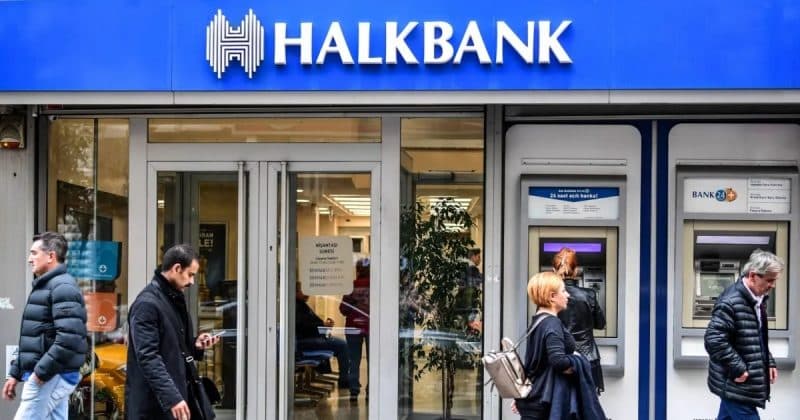
The US Department of Justice has moved to dismiss its criminal case against Türkiye Halk Bankası, better known as Halkbank, after reaching a deferred prosecution agreement that requires zero financial penalties from the Turkish state-owned bank. The case, which alleged Halkbank helped Iran dodge US sanctions by funneling roughly $20 billion through a web of front companies, had been grinding through courts since 2019.

From indictment to handshake

Halkbank was indicted in October 2019 for an alleged scheme involving the movement of approximately $20 billion in Iranian funds through a network of front companies. The scale alone made it one of the largest sanctions-evasion cases the DOJ had ever pursued.

The bank fought hard to kill the case before it ever reached trial. Halkbank argued that as a sovereign-owned entity, it enjoyed immunity from US criminal prosecution. That argument made it all the way to the Supreme Court, which ruled in April 2023 that sovereign immunity does not shield state-owned entities from criminal prosecution. The Second Circuit followed up in October 2024 by rejecting common-law immunity claims, clearing the path for the case to proceed.

Advertisement

The DPA does require Halkbank to employ an independent compliance monitor to oversee its adherence to US sanctions and anti-money laundering rules. After a 90-day compliance review period, the charges get dismissed entirely.

The political backlash

The reaction from Capitol Hill has been predictably heated. Democratic senators have raised alarms about what they see as political interference in the case, questioning why a prosecution of this magnitude would end without any financial consequences for the bank.

The Halkbank case had already produced results, including the 2018 conviction of a Halkbank executive that set a precedent for holding individuals accountable in sanctions-evasion schemes.

What this means for investors and global banking

The immediate market reaction was clear: Halkbank shares surged 10% after the DPA was announced. For context, other banks that have settled sanctions-related cases with the DOJ have paid fines reaching into the billions. BNP Paribas paid nearly $9 billion in 2014 for Sudan, Cuba, and Iran sanctions violations. Halkbank is paying nothing.

The compliance monitor requirement means Halkbank’s operations will face external scrutiny for at least the duration of the review period. Any misstep during that window could reopen the case.

The Supreme Court ruling that sovereign immunity doesn’t protect state-owned entities from prosecution remains good law. But the DOJ has demonstrated that reaching those entities and actually punishing them are two very different things.

Disclosure: This article was edited by Editorial Team. For more information on how we create and review content, see our Editorial Policy.

Justice Department seeks to drop criminal case against Halkbank over Iran sanctions violations

Justice Department seeks to drop criminal case against Halkbank over Iran sanctions violations

A deferred prosecution agreement with no financial penalties ends a years-long case involving $20 billion in alleged Iranian fund movements, drawing sharp criticism from lawmakers.

The US Department of Justice has moved to dismiss its criminal case against Türkiye Halk Bankası, better known as Halkbank, after reaching a deferred prosecution agreement that requires zero financial penalties from the Turkish state-owned bank. The case, which alleged Halkbank helped Iran dodge US sanctions by funneling roughly $20 billion through a web of front companies, had been grinding through courts since 2019.

From indictment to handshake

Halkbank was indicted in October 2019 for an alleged scheme involving the movement of approximately $20 billion in Iranian funds through a network of front companies. The scale alone made it one of the largest sanctions-evasion cases the DOJ had ever pursued.

The bank fought hard to kill the case before it ever reached trial. Halkbank argued that as a sovereign-owned entity, it enjoyed immunity from US criminal prosecution. That argument made it all the way to the Supreme Court, which ruled in April 2023 that sovereign immunity does not shield state-owned entities from criminal prosecution. The Second Circuit followed up in October 2024 by rejecting common-law immunity claims, clearing the path for the case to proceed.

Advertisement

The DPA does require Halkbank to employ an independent compliance monitor to oversee its adherence to US sanctions and anti-money laundering rules. After a 90-day compliance review period, the charges get dismissed entirely.

The political backlash

The reaction from Capitol Hill has been predictably heated. Democratic senators have raised alarms about what they see as political interference in the case, questioning why a prosecution of this magnitude would end without any financial consequences for the bank.

The Halkbank case had already produced results, including the 2018 conviction of a Halkbank executive that set a precedent for holding individuals accountable in sanctions-evasion schemes.

What this means for investors and global banking

The immediate market reaction was clear: Halkbank shares surged 10% after the DPA was announced. For context, other banks that have settled sanctions-related cases with the DOJ have paid fines reaching into the billions. BNP Paribas paid nearly $9 billion in 2014 for Sudan, Cuba, and Iran sanctions violations. Halkbank is paying nothing.

The compliance monitor requirement means Halkbank’s operations will face external scrutiny for at least the duration of the review period. Any misstep during that window could reopen the case.

The Supreme Court ruling that sovereign immunity doesn’t protect state-owned entities from prosecution remains good law. But the DOJ has demonstrated that reaching those entities and actually punishing them are two very different things.

Disclosure: This article was edited by Editorial Team. For more information on how we create and review content, see our Editorial Policy.