
Dollar surges most in three months after Federal Reserve signals rate hikes

Dollar surges most in three months after Federal Reserve signals rate hikes

The greenback's sharp rally on renewed hawkish Fed expectations is tightening financial conditions across global markets, with crypto assets caught in the crossfire.

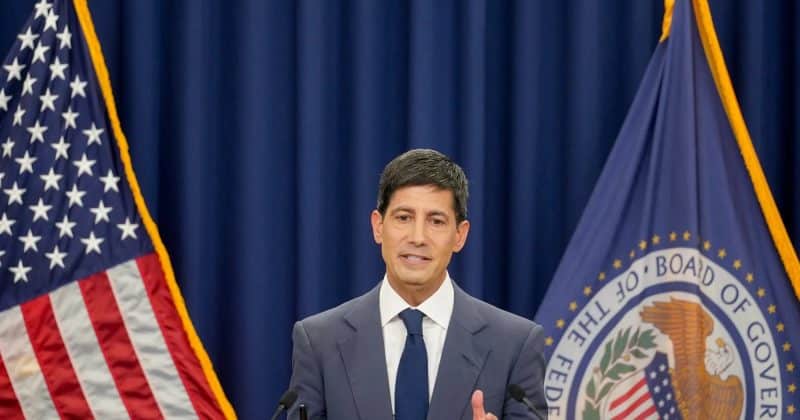
The US dollar just posted its biggest gain in three months, driven by Federal Reserve officials signaling support for interest-rate hikes this year.

A stronger dollar, fueled by higher rate expectations, acts like a vacuum on global liquidity. It pulls capital toward US-denominated assets and away from just about everything else, including crypto. The timing matters because markets had been gradually pricing in rate cuts, not increases.

What happened and why it matters

Federal Reserve officials publicly indicated their support for raising interest rates further, catching a market that had grown comfortable with the idea of easing. The dollar surged in response, reaching levels not seen in months.

Advertisement

Fed fund futures, which reflect where traders expect rates to land, have undergone a significant adjustment. Markets had been pricing in potential rate cuts. Now, those same instruments show a nearly 50/50 chance of a rate hike in December and roughly 60% probability of one in January.

The dollar reaching a two-month high on the back of jobs data underscores how sensitive currency markets are to employment figures. Strong hiring data translates directly into expectations of hawkish policy, which translates into dollar strength.

The historical playbook

During the 2022-2023 tightening cycle, the Federal Reserve executed 11 rate hikes over 16 months. The dollar achieved multi-year highs in response to those hawkish signals. Bitcoin, meanwhile, spent much of that period in a sustained drawdown that took it from highs near $69K to lows under $16K.

When the Fed raises rates, holding dollars becomes more attractive because yields on US Treasuries and money market funds climb. Capital flows toward those safe, yield-bearing assets and away from speculative ones that generate no income, like Bitcoin and other digital assets.

Previous instances of sustained dollar strength have also coincided with turbulence in emerging markets, commodity prices, and global trade flows. A strong dollar makes dollar-denominated debt more expensive for foreign borrowers, creating ripple effects across the global financial system.

What this means for crypto investors

With the assumption of rate cuts now under serious pressure, positioning across crypto markets may need to adjust. Tighter monetary policy typically reduces the amount of speculative capital available. Leveraged positions become more expensive to maintain.

The nearly 50/50 odds for a December hike and approximately 60% for January mean this isn’t a distant concern. A 5%-plus yield on a Treasury bill is a tough opponent for volatile digital assets to compete against. During the last hiking cycle, that dynamic contributed to crypto fund outflows and reduced institutional appetite for digital asset exposure.

Disclosure: This article was edited by Editorial Team. For more information on how we create and review content, see our Editorial Policy.

Dollar surges most in three months after Federal Reserve signals rate hikes

Dollar surges most in three months after Federal Reserve signals rate hikes

The greenback's sharp rally on renewed hawkish Fed expectations is tightening financial conditions across global markets, with crypto assets caught in the crossfire.

The US dollar just posted its biggest gain in three months, driven by Federal Reserve officials signaling support for interest-rate hikes this year.

A stronger dollar, fueled by higher rate expectations, acts like a vacuum on global liquidity. It pulls capital toward US-denominated assets and away from just about everything else, including crypto. The timing matters because markets had been gradually pricing in rate cuts, not increases.

What happened and why it matters

Federal Reserve officials publicly indicated their support for raising interest rates further, catching a market that had grown comfortable with the idea of easing. The dollar surged in response, reaching levels not seen in months.

Advertisement

Fed fund futures, which reflect where traders expect rates to land, have undergone a significant adjustment. Markets had been pricing in potential rate cuts. Now, those same instruments show a nearly 50/50 chance of a rate hike in December and roughly 60% probability of one in January.

The dollar reaching a two-month high on the back of jobs data underscores how sensitive currency markets are to employment figures. Strong hiring data translates directly into expectations of hawkish policy, which translates into dollar strength.

The historical playbook

During the 2022-2023 tightening cycle, the Federal Reserve executed 11 rate hikes over 16 months. The dollar achieved multi-year highs in response to those hawkish signals. Bitcoin, meanwhile, spent much of that period in a sustained drawdown that took it from highs near $69K to lows under $16K.

When the Fed raises rates, holding dollars becomes more attractive because yields on US Treasuries and money market funds climb. Capital flows toward those safe, yield-bearing assets and away from speculative ones that generate no income, like Bitcoin and other digital assets.

Previous instances of sustained dollar strength have also coincided with turbulence in emerging markets, commodity prices, and global trade flows. A strong dollar makes dollar-denominated debt more expensive for foreign borrowers, creating ripple effects across the global financial system.

What this means for crypto investors

With the assumption of rate cuts now under serious pressure, positioning across crypto markets may need to adjust. Tighter monetary policy typically reduces the amount of speculative capital available. Leveraged positions become more expensive to maintain.

The nearly 50/50 odds for a December hike and approximately 60% for January mean this isn’t a distant concern. A 5%-plus yield on a Treasury bill is a tough opponent for volatile digital assets to compete against. During the last hiking cycle, that dynamic contributed to crypto fund outflows and reduced institutional appetite for digital asset exposure.

Disclosure: This article was edited by Editorial Team. For more information on how we create and review content, see our Editorial Policy.