
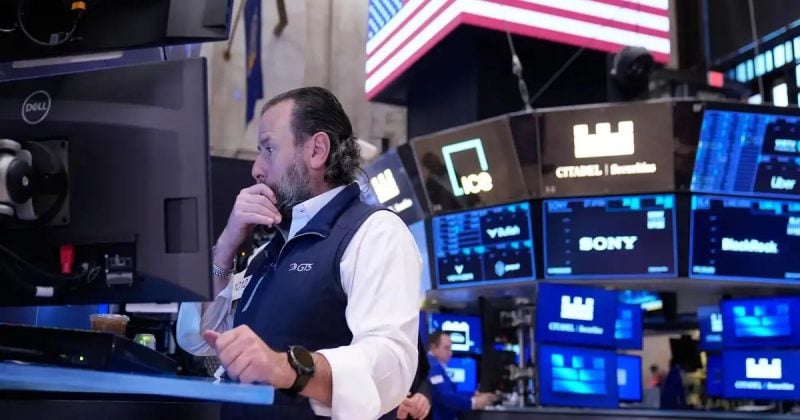
Dow closes sharply lower, Nasdaq posts modest gain amid US-Iran tensions
Geopolitical uncertainty rattles blue-chip stocks while tech holds steady and crypto markets feel the tremors
The Dow Jones Industrial Average dropped sharply on July 8, 2026, after President Trump made remarks casting doubt on the durability of the existing US-Iran ceasefire. The Nasdaq Composite, meanwhile, managed a modest gain, a split-screen moment that tells you a lot about where investor anxiety is actually sitting right now.
The broader concern is the Strait of Hormuz, the narrow waterway through which a significant share of global oil supply passes. Any credible threat to traffic through that corridor moves oil prices, and oil prices move everything downstream. When the ceasefire looked solid, markets rallied. When Trump’s remarks made it look less solid, the Dow reflected that recalculation quickly.
This fits a pattern that has repeated itself throughout 2026. The year has been characterized by a cycle of military strikes, negotiated truces, and corresponding reversals in both equity and commodity markets. Each escalation brought selling pressure. Each de-escalation brought a relief rally. The Dow actually recorded a record close earlier in the year following a ceasefire announcement, which makes today’s pullback a kind of mirror image of that moment.
Crypto caught in the same current
Bitcoin fluctuated between $70,000 and $73,000 in the early months of the year, with single-day moves of 3% to 7% tied directly to ceasefire announcements and their reversals.
Macro, rates, and crypto—what moved markets and what matters next.
Daily. Free. Join 34,000+ readers across crypto, finance, and policy.
During a June rally triggered by de-escalation signals, the broader crypto market moved sharply higher. Ethereum climbed 3.5%, Solana gained 6.3%, and XRP added 4.1% in that window.
The flip side of that dynamic showed up during earlier escalation events in 2026, when nearly $1 billion in leveraged crypto positions were liquidated. That number reflects just how much speculative positioning had built up during calmer periods, and how quickly forced selling can cascade when sentiment shifts.
What investors should actually watch
For crypto investors specifically, the current environment creates a dual dynamic. Bitcoin has shown up in 2026 as a potential safe-haven asset, drawing flows when traditional markets look unstable. On the other hand, the same asset has also sold off sharply during peak fear moments, particularly when leveraged positions unwind and force indiscriminate selling. The $1 billion liquidation event from earlier in the year is a useful reminder of how that plays out.