
Nexo Earn with Nexo
Dow Jones Industrial Average hits record close as oil prices fall on Iran deal hopes

Dow Jones Industrial Average hits record close as oil prices fall on Iran deal hopes

The Dow crossed 50,000 for its first record close in over three months, while Bitcoin held steady near $77,600 as falling crude prices fueled a risk-on mood across markets.

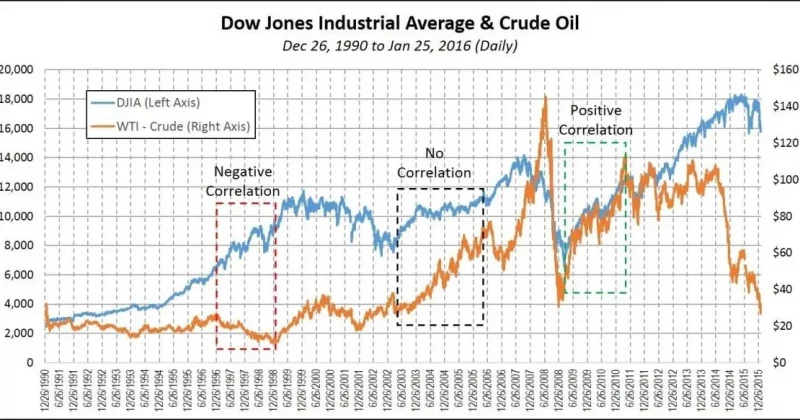
The Dow Jones Industrial Average closed at 50,482.14 on May 21, a gain of 276 points that marked the benchmark’s first record close in more than three months. The catalyst: falling oil prices driven by growing optimism around US-Iran diplomatic negotiations, which traders are betting could ease global energy supply pressures.

Oil drops for a third straight day

West Texas Intermediate crude futures fell 0.9% to $97.40 per barrel, while Brent crude dropped a sharper 2.3% to $102.58. That’s the third consecutive day of declines for oil, a streak that began picking up speed after Secretary of State Marco Rubio noted “some good signs” regarding US-Iran diplomatic negotiations.

Advertisement

The broader market reflected that optimism, though with less enthusiasm than the Dow. The S&P 500 added 0.2%, and the Nasdaq Composite edged up just 0.1%. Utilities, consumer discretionary, and materials sectors led gains, while energy stocks lagged.

Earnings paint a mixed picture

NVIDIA shares dropped 1.8% following its earnings announcement. Walmart took a harder hit, falling over 7% after the retail giant warned about higher fuel costs eating into margins. Apple climbed 0.9%, Amazon gained 1.3%, and Eli Lilly rose 2.2%.

What this means for crypto investors

Bitcoin was trading around $77,600 during the session, holding relatively steady while traditional markets surged. Falling oil prices are broadly deflationary, which changes the calculus for the Federal Reserve. If energy costs continue declining on the back of diplomatic progress with Iran, it reduces the urgency for the Fed to maintain restrictive monetary policy.

There’s a risk embedded in this setup, though. If Iran negotiations stall or collapse, oil prices could snap back higher. That would reintroduce inflationary concerns, potentially forcing the Fed into a more hawkish posture.

Disclosure: This article was edited by Editorial Team. For more information on how we create and review content, see our Editorial Policy.

Dow Jones Industrial Average hits record close as oil prices fall on Iran deal hopes

Dow Jones Industrial Average hits record close as oil prices fall on Iran deal hopes

The Dow crossed 50,000 for its first record close in over three months, while Bitcoin held steady near $77,600 as falling crude prices fueled a risk-on mood across markets.

The Dow Jones Industrial Average closed at 50,482.14 on May 21, a gain of 276 points that marked the benchmark’s first record close in more than three months. The catalyst: falling oil prices driven by growing optimism around US-Iran diplomatic negotiations, which traders are betting could ease global energy supply pressures.

Oil drops for a third straight day

West Texas Intermediate crude futures fell 0.9% to $97.40 per barrel, while Brent crude dropped a sharper 2.3% to $102.58. That’s the third consecutive day of declines for oil, a streak that began picking up speed after Secretary of State Marco Rubio noted “some good signs” regarding US-Iran diplomatic negotiations.

Advertisement

The broader market reflected that optimism, though with less enthusiasm than the Dow. The S&P 500 added 0.2%, and the Nasdaq Composite edged up just 0.1%. Utilities, consumer discretionary, and materials sectors led gains, while energy stocks lagged.

Earnings paint a mixed picture

NVIDIA shares dropped 1.8% following its earnings announcement. Walmart took a harder hit, falling over 7% after the retail giant warned about higher fuel costs eating into margins. Apple climbed 0.9%, Amazon gained 1.3%, and Eli Lilly rose 2.2%.

What this means for crypto investors

Bitcoin was trading around $77,600 during the session, holding relatively steady while traditional markets surged. Falling oil prices are broadly deflationary, which changes the calculus for the Federal Reserve. If energy costs continue declining on the back of diplomatic progress with Iran, it reduces the urgency for the Fed to maintain restrictive monetary policy.

There’s a risk embedded in this setup, though. If Iran negotiations stall or collapse, oil prices could snap back higher. That would reintroduce inflationary concerns, potentially forcing the Fed into a more hawkish posture.

Disclosure: This article was edited by Editorial Team. For more information on how we create and review content, see our Editorial Policy.