
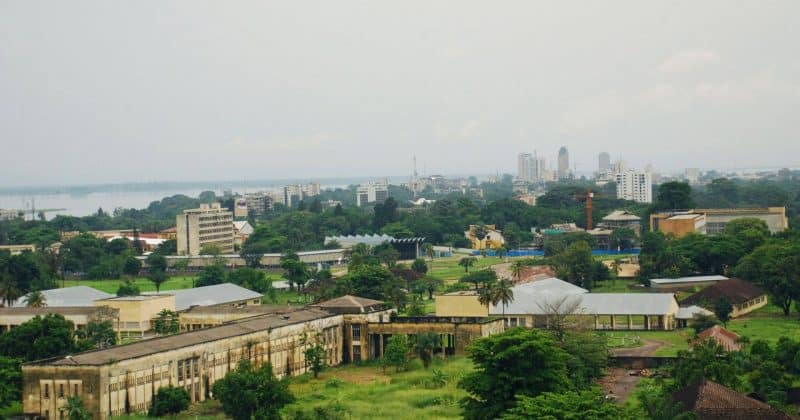
Democratic Republic of Congo launches stock exchange with IFC backing to unlock mining and infrastructure capital
The Kinshasa Stock Exchange will operate in a dual-currency economy as the DRC builds formal capital markets from scratch
The Democratic Republic of Congo just signed a partnership with the International Finance Corporation to build its first-ever stock exchange. For a country sitting on some of the world’s richest mineral deposits, the fact that it has never had a functioning equities market is one of those details that makes you pause and reread it.
The agreement between the DRC Finance Ministry and IFC Country Director Malick Fall was inked on June 18, 2026. Finance Minister Doudou Fwamba Likunde Li-Botayi presented draft financial markets legislation to the Senate a week earlier, on June 11, laying the legal groundwork for what will become the Kinshasa Stock Exchange.
Building a market from zero
The DRC’s capital markets have historically been limited to treasury bonds and bank lending. No equities trading, no formal securities infrastructure, no central depository. For a nation whose mining sector alone generates enormous revenue, the absence of any mechanism for equity investment has been a structural bottleneck for decades.
The draft legislation aims to change that by establishing three core components: a financial market regulator, a central securities depository, and secure settlement systems. The DRC is building the entire plumbing of a modern stock market from scratch, not just the exchange itself.
The DRC raised its first-ever Eurobond in April 2026, pulling in $1.25 billion from international debt markets.
The news moving money, markets, and the world—before your day starts.
Daily. Free. Join 34,000+ readers across crypto, finance, and policy.
The dual-currency dynamic
One of the most distinctive features of the DRC’s economy is its heavy reliance on two currencies: the Congolese franc and the US dollar. Both circulate widely in everyday commerce and formal finance. The Kinshasa Stock Exchange will operate within this dual-currency framework.
The current framework does not integrate any digital currencies or crypto-assets into the exchange structure. The DRC’s dual-currency system remains firmly anchored to the franc and the dollar, with no tokenized securities or blockchain-based settlement mentioned in the draft legislation.
What this means for investors
The DRC holds vast reserves of cobalt, copper, coltan, and other minerals critical to global supply chains for electric vehicles, batteries, and electronics. Until now, accessing those resources as an equity investor meant either partnering with multinational mining companies listed elsewhere or navigating opaque private deals.
Ethiopia launched its own stock exchange in 2025, becoming one of the latest African nations to formalize its capital markets. The DRC is following that trajectory.
The $1.25 billion Eurobond from April 2026 gives some indication of the scale of international interest. Whether that demand translates into equity investment once the KSE is operational depends on regulatory execution, market integrity, and whether the government delivers on the institutional framework outlined in the draft legislation.