
DRC’s historic World Cup run is a crypto story hiding in plain sight
The Democratic Republic of the Congo's first knockout-stage appearance in 52 years is driving massive prediction market volumes while exposing a gaping hole in Africa's sports tokenization strategy.
A national football team returns to the World Cup after half a century, draws with Portugal, beats Uzbekistan 3-1, and dances its way into the knockout round to face England. That’s a sports story. But underneath the celebrations in Kinshasa, there’s a quieter narrative playing out on blockchain rails.
The Democratic Republic of the Congo’s improbable run through the 2026 World Cup group stage has become a magnet for crypto prediction markets, a case study in missed tokenization opportunities, and an unlikely bridge between African mineral wealth and digital assets.
Prediction markets are feasting on the underdog
When the DRC managed a draw against Portugal, it wasn’t just fans who celebrated. Polymarket, the leading crypto prediction platform, recorded multimillion-dollar trading volumes on DRC-related matches throughout the group stage.
One particularly eye-catching result: a roughly $300K bet placed on the Portugal-DRC draw reportedly generated close to $1 million in profit for the bettor.
The 2026 World Cup’s expansion to 48 teams has created a dramatically larger surface area for prediction market activity. More teams means more matches, more upsets, and more opportunities for traders who understand the probability gaps between public perception and actual outcomes.
The fan token gap nobody is talking about
While the DRC is generating enormous global attention, the team has no official fan token. No Chiliz partnership. No blockchain-based fan engagement strategy whatsoever.
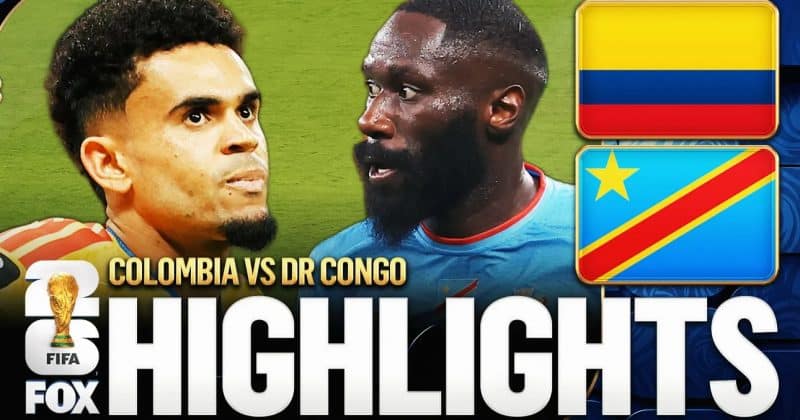
This isn’t just a DRC problem. Colombia, another team in the same group, also lacks any tokenized fan infrastructure. Across Africa and South America, national teams are largely absent from the SportFi ecosystem that European clubs have been building for years.
Consider the timing. The DRC hasn’t been at a World Cup since 1974. An entire generation of fans is experiencing this for the first time. The emotional intensity is off the charts. And there’s no digital asset capturing that energy.
The news moving money, markets, and the world—before your day starts.
Daily. Free. Join 34,000+ readers across crypto, finance, and policy.
Meanwhile, the tournament itself is deeply embedded in crypto infrastructure. Kraken serves as the official cryptocurrency exchange sponsor of the 2026 FIFA World Cup, with prominent branding across venues and broadcasts. FIFA Collect, built on Avalanche, handles digital collectibles and ticketing rights for the tournament.
The plumbing is there. The DRC just isn’t connected to it.
Gold tokens and national ambition
Interestingly, the DRC isn’t entirely absent from the digital asset conversation. The country is set to launch the Sovereign Gold Reserve Token, or SGRT, in February 2026. It’s a gold-backed digital asset tied to the nation’s vast mineral reserves.
The SGRT has nothing to do with football. But it signals that the DRC’s government is at least aware of blockchain’s potential for national-level asset tokenization.
What crypto investors should actually watch
The DRC’s World Cup run matters for crypto markets in three concrete ways.
First, prediction market volumes. Every DRC match is generating outsized trading activity relative to the team’s global profile.
Second, the SportFi gap. The absence of fan tokens for African and South American national teams represents a genuine market opportunity. Whoever builds the infrastructure to onboard these federations, whether it’s Chiliz or a competitor, will be tapping into massive, emotionally engaged fan bases that are currently unmonetized in the digital asset space.
Third, the broader FIFA-crypto relationship. Kraken’s sponsorship and FIFA Collect’s Avalanche integration suggest that football’s governing body views crypto partnerships as a long-term revenue strategy. That’s bullish for projects positioned at the intersection of sports and blockchain, particularly those focused on ticketing, collectibles, and fan engagement.
Fan tokens have a mixed track record. Many launched during the 2021-2022 bull market have lost significant value, and skeptics argue they offer holders little genuine utility beyond speculative trading. For a national team like the DRC, launching a token during a World Cup high and watching it crater afterward would be worse than not launching one at all.