
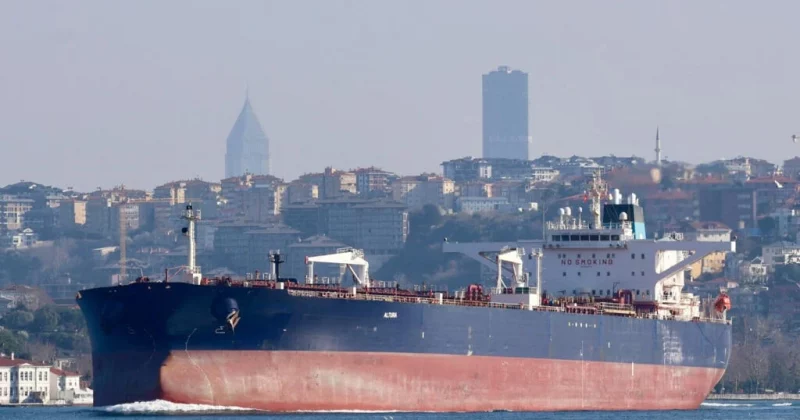
Three crude-oil tankers attacked by drones off Turkey’s Black Sea coast
The strikes on sanctioned vessels hauling Russian oil mark the latest escalation in a drone campaign reshaping Black Sea shipping risks and global energy markets.
Three sanctioned crude-oil tankers were struck by drones overnight in the Black Sea, roughly 50 miles north of the Turkeli area off Turkey’s northern coast. The vessels, identified as the James II, Altura, and Velora, were all confirmed to have crew members safe with no injuries reported, according to shipping agency Tribeca.
Coastal safety vessels were dispatched to the area following the strikes. No group has claimed responsibility for the attacks, though the incident fits a now-familiar pattern of naval drone operations believed to target vessels involved in transporting Russian crude in defiance of international sanctions.
A campaign that keeps escalating
The strikes are part of a series of maritime drone attacks in the Black Sea region dating back to late 2025, with the tempo and ambition of these operations steadily increasing.
The targeted vessels have operated under diverse flags, including Palau and Liberia, two registries commonly associated with ships in the so-called shadow fleet. That’s the informal network of aging tankers used to move Russian oil outside the reach of Western price caps and trade restrictions.
Sanctioning bodies from the EU, UK, US, Ukraine, and Switzerland have all designated vessels involved in these operations for their role in evading oil sanctions.
Turkish authorities have condemned attacks occurring within their exclusive economic zone, a significant diplomatic wrinkle given Turkey’s carefully balanced position between Russia and NATO allies. Ankara has repeatedly called for the safety of commercial shipping in waters it considers under its jurisdiction, but the strikes keep coming.
What this means for oil markets and shipping
The immediate market consequence is straightforward: insurance rates for Black Sea maritime operations have climbed. When drones are hitting tankers on a semi-regular basis, underwriters tend to notice. Higher insurance premiums translate directly into higher shipping costs, which eventually get baked into the price of crude.