
Drone strike on Gulf freight ship raises regional military tensions
Iran Military Action Against Neighbors
## Market Snapshot
In the “Iran Military Action Against Neighbors” market, pricing suggests increased likelihood of a YES outcome due to the recent drone strike incident. The “Strait of Hormuz Traffic Normalization” market shows a significant decrease in the likelihood of a YES outcome, currently priced at 18.5% YES, down from previous levels.
## Key Takeaways
– The report of a drone strike on a freight ship appears to increase the likelihood of military action in the Gulf region. – The incident suggests heightened risk and disruption in the Strait of Hormuz, impacting the probability of traffic normalization by June’s end. – The news is unrelated to Russia-Ukraine ceasefire predictions, suggesting no impact on this market.
## Article Body
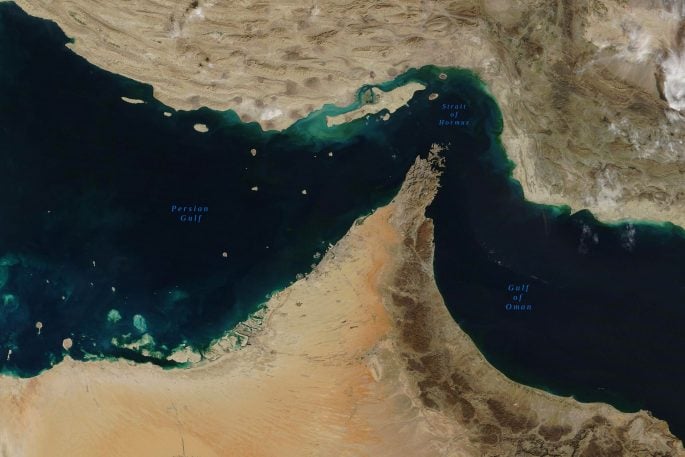
Iraqi security authorities have reported that a preliminary evaluation indicates a second blast on a freight ship in the Gulf was the result of a drone strike. The incident occurred approximately 40 nautical miles southeast of Iraq’s Umm Qasr, a crucial shipping corridor near Iraq’s main southern port. This assessment points to a possible escalation in regional tensions, as drone strikes suggest deliberate external attacks rather than accidental mishaps. The Gulf region, including the Strait of Hormuz, has seen increased disruptions due to ongoing conflicts involving Iran, Iraq, the United States, and Israel. The United Nations Conference on Trade and Development (UNCTAD) has highlighted these tensions as significant risks to global trade and energy flows.
Macro, rates, and crypto—what moved markets and what matters next.
Daily. Free. Join 34,000+ readers across crypto, finance, and policy.
## Market Interpretation
The drone strike report is consistent with scenarios that support a YES outcome in the “Iran Military Action Against Neighbors” market. The impact is assessed as moderate, given the heightened regional tensions and potential Iranian involvement. In the “Strait of Hormuz Traffic Normalization” market, the event has a high impact, as it significantly lowers the likelihood of normal traffic conditions by the end of June, suggesting increased risk and disruption in the region.
## What to Watch
Observers should monitor further confirmations from Iraqi security authorities and any regional military responses. Key actors include the United States, Iran, and regional Gulf states. The UN and other international bodies may become more involved, potentially influencing market outcomes. Additionally, any developments in the Strait of Hormuz regarding shipping disruptions or new security measures will be crucial indicators for market participants.