
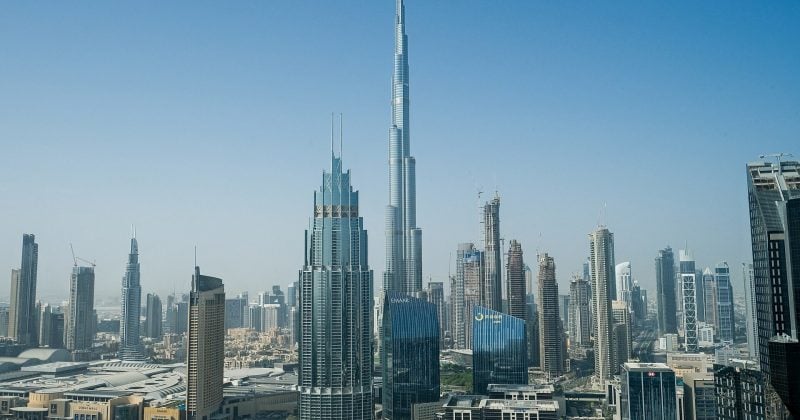
Dubai plans new port to bypass Strait of Hormuz, reshaping global energy chokepoint dynamics
The UAE is racing to eliminate its dependency on the world's most strategically vulnerable oil shipping lane, with implications that ripple well beyond crude markets.
The UAE is building its way out of a geographic headache. Dubai is planning a new port designed to bypass the Strait of Hormuz entirely, part of a broader national strategy to reroute the country’s energy exports away from the narrow waterway that has haunted oil markets for decades.
The Strait of Hormuz handles roughly 20% of global oil trade. It sits between Iran and Oman, and every tanker carrying Gulf oil to Asia, Europe, or anywhere else has to thread that needle.
The infrastructure blitz taking shape on the eastern coast
The Abu Dhabi National Oil Company, better known as ADNOC, has been directed to fast-track a second oil pipeline to Fujairah, the emirate sitting on the Gulf of Oman’s coast, on the other side of the Strait of Hormuz chokepoint. That pipeline was reportedly nearly 50% complete as of May 2026, with a target operational date of 2027. Once online, it would double the UAE’s existing pipeline export capacity from approximately 1.8 million barrels per day.
Beyond the pipeline, UAE officials outlined plans in mid-2026 to expand several eastern ports, including Fujairah, Khor Fakkan, and Dibba. The stated goal is to reduce dependency on the Strait of Hormuz to zero.
There have also been resurfaced discussions about a canal linking Dubai-area waters directly to Fujairah, with discussions ongoing since 2026.
The news moving money, markets, and the world—before your day starts.
Daily. Free. Join 34,000+ readers across crypto, finance, and policy.
Why the Strait of Hormuz matters to everyone, not just oil traders
Iranian seizures of commercial vessels, drone attacks by Houthi-aligned groups in nearby waters, and periodic military posturing have contributed to insurance premiums spiking and shipping routes getting rerouted. The existing pipeline to Fujairah, which has been operational for years, was itself built as a hedge against exactly this kind of risk. But at 1.8 million barrels per day of capacity, it couldn’t handle the UAE’s full export volume. The second pipeline changes that equation.
What crypto and macro investors should actually watch
Global energy prices are one of the single biggest inputs into inflation expectations, central bank policy, and by extension, risk asset performance. If a major oil-exporting nation can credibly route its supply around the world’s most dangerous chokepoint, that removes one of the market’s favorite panic triggers.
Dubai has positioned itself as one of the world’s leading crypto hubs, with regulatory frameworks designed to attract exchanges, funds, and Web3 companies. A more resilient national infrastructure makes Dubai a more stable base of operations for those firms.
Saudi Arabia has its own eastern coast infrastructure, but the UAE’s aggressive timeline, targeting 2027 for the pipeline, suggests a race to establish energy export resilience as a competitive advantage in attracting foreign capital.
The risk to watch is execution. The 50% completion figure for the pipeline is encouraging, but if regional tensions escalate before the alternative routes are ready, the UAE could find itself in exactly the vulnerable position it’s trying to escape.