
European Central Bank must monitor wage impact from rising oil prices, says Escrivá

European Central Bank must monitor wage impact from rising oil prices, says Escrivá

Spain's central bank governor flags energy cost pass-through risks in services and transport sectors, urging the ECB to stay vigilant on second-round inflation effects

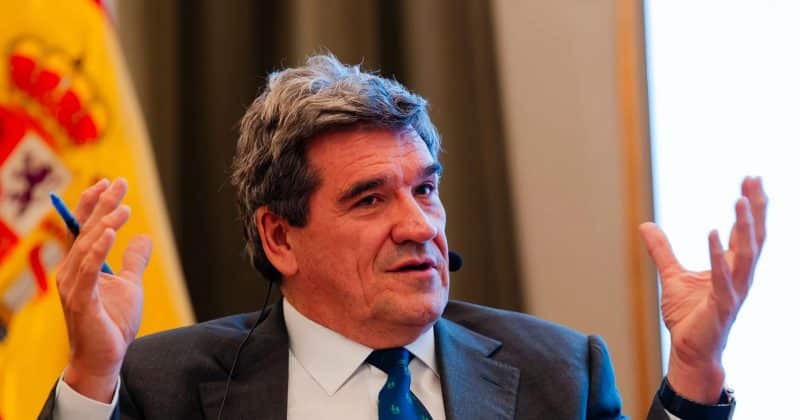
José Luis Escrivá, the Governor of the Bank of Spain and a sitting member of the ECB Governing Council, delivered a pointed warning during a speech in Barcelona on June 18: rising oil prices could eventually bleed into wages and broader consumer prices across the euro area, and the European Central Bank needs to keep a close eye on it.

The concern isn’t abstract. Escrivá specifically flagged the transmission of higher energy costs into the services and transport sectors, two areas where fuel expenses are a meaningful chunk of operating costs.

Second-round effects: not here yet, but not off the table

The key phrase from Escrivá’s remarks is that second-round wage effects “have yet to materialize.” In English: workers haven’t started demanding significantly higher pay to compensate for energy-driven price increases, at least not in a way that’s showing up in the data yet.

Advertisement

He noted that “considerable uncertainty” surrounds the baseline economic scenario for the euro area, driven largely by unpredictable energy developments. Oil production levels, geopolitical disruptions, and recovery timelines for supply are all variables that remain stubbornly hard to forecast.

Who is Escrivá, and why does his voice matter here

Escrivá assumed the role of Governor of the Bank of Spain in September 2024. Before that, he led the ECB’s own Monetary Policy Division. His leadership at the ECB’s Monetary Policy Division coincided with the introduction of the euro, and he has also held roles at the Bank for International Settlements. Prior to becoming Governor, he served as Spain’s Minister for Inclusion, Social Security and Migration from 2020 to 2024.

The Barcelona speech comes against a backdrop of broader ECB discussions about how energy shocks feed into core inflation and wage dynamics.

What this means for markets and investors

For fixed-income markets, if energy-driven inflation does begin feeding into wages, the ECB’s rate path could look meaningfully different from what’s currently priced in. Euro-area government bond yields, particularly at the shorter end of the curve, are sensitive to shifts in ECB rate expectations.

The services and transport sectors Escrivá highlighted are also worth monitoring for investors with exposure to European equities. Airlines, logistics companies, and consumer-facing businesses in the euro area are the first to feel margin pressure when energy costs rise.

The most important data point right now is a negative one: second-round effects haven’t shown up. But Escrivá is essentially telling markets not to confuse the absence of evidence with evidence of absence. Oil price uncertainty remains elevated, the transmission mechanisms are well understood, and the ECB’s own models suggest the risk deserves continuous monitoring.

Disclosure: This article was edited by Editorial Team. For more information on how we create and review content, see our Editorial Policy.

European Central Bank must monitor wage impact from rising oil prices, says Escrivá

European Central Bank must monitor wage impact from rising oil prices, says Escrivá

Spain's central bank governor flags energy cost pass-through risks in services and transport sectors, urging the ECB to stay vigilant on second-round inflation effects

José Luis Escrivá, the Governor of the Bank of Spain and a sitting member of the ECB Governing Council, delivered a pointed warning during a speech in Barcelona on June 18: rising oil prices could eventually bleed into wages and broader consumer prices across the euro area, and the European Central Bank needs to keep a close eye on it.

The concern isn’t abstract. Escrivá specifically flagged the transmission of higher energy costs into the services and transport sectors, two areas where fuel expenses are a meaningful chunk of operating costs.

Second-round effects: not here yet, but not off the table

The key phrase from Escrivá’s remarks is that second-round wage effects “have yet to materialize.” In English: workers haven’t started demanding significantly higher pay to compensate for energy-driven price increases, at least not in a way that’s showing up in the data yet.

Advertisement

He noted that “considerable uncertainty” surrounds the baseline economic scenario for the euro area, driven largely by unpredictable energy developments. Oil production levels, geopolitical disruptions, and recovery timelines for supply are all variables that remain stubbornly hard to forecast.

Who is Escrivá, and why does his voice matter here

Escrivá assumed the role of Governor of the Bank of Spain in September 2024. Before that, he led the ECB’s own Monetary Policy Division. His leadership at the ECB’s Monetary Policy Division coincided with the introduction of the euro, and he has also held roles at the Bank for International Settlements. Prior to becoming Governor, he served as Spain’s Minister for Inclusion, Social Security and Migration from 2020 to 2024.

The Barcelona speech comes against a backdrop of broader ECB discussions about how energy shocks feed into core inflation and wage dynamics.

What this means for markets and investors

For fixed-income markets, if energy-driven inflation does begin feeding into wages, the ECB’s rate path could look meaningfully different from what’s currently priced in. Euro-area government bond yields, particularly at the shorter end of the curve, are sensitive to shifts in ECB rate expectations.

The services and transport sectors Escrivá highlighted are also worth monitoring for investors with exposure to European equities. Airlines, logistics companies, and consumer-facing businesses in the euro area are the first to feel margin pressure when energy costs rise.

The most important data point right now is a negative one: second-round effects haven’t shown up. But Escrivá is essentially telling markets not to confuse the absence of evidence with evidence of absence. Oil price uncertainty remains elevated, the transmission mechanisms are well understood, and the ECB’s own models suggest the risk deserves continuous monitoring.

Disclosure: This article was edited by Editorial Team. For more information on how we create and review content, see our Editorial Policy.