
ECB’s Lagarde says digital euro complements cash, not a replacement
The European Central Bank's top official pushes back on surveillance fears as the digital euro moves closer to reality with a 2029 target.
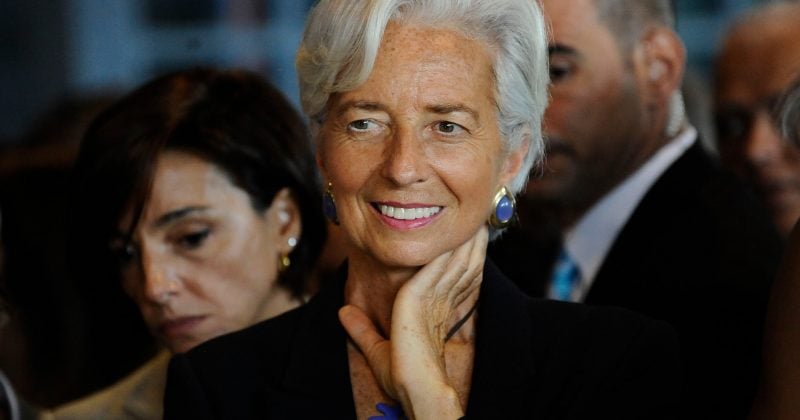
Christine Lagarde has a message for the euro area’s cash-loving public: the digital euro is not here to take anything away. In an exclusive interview with Euronews on July 9, 2026, the European Central Bank President made the case that Europe’s proposed central bank digital currency will sit alongside physical cash, not replace it, with both holding legal tender status across the eurozone.
The timing matters. The interview came just weeks after the European Parliament’s ECON Committee voted 43 to 14, with one abstention, on June 23, 2026, to advance the digital euro’s regulatory file. That vote moved the project into a new legislative phase, and the political noise around it, specifically the fears about surveillance and cash elimination, got loud enough that the ECB’s president felt compelled to address them directly.
What Lagarde actually said
Lagarde pushed back on both concerns. She framed the digital euro as a privacy-conscious project designed to give Europeans a public alternative to the private payment networks that currently dominate the continent.
Roughly 60% of card transactions in Europe currently flow through US-operated networks like Visa and Mastercard. The ECB’s pitch for the digital euro is partly a geopolitical one, reducing Europe’s dependence on foreign infrastructure. Lagarde described the project as essential for monetary sovereignty in the digital age.
The road to 2029
The ECB’s Governing Council cleared the way for the technical phase of the digital euro project back in October 2025. Since then, the institution has been working toward a possible issuance in 2029, with pilot programs targeted to begin as early as late 2027.
Macro, rates, and crypto—what moved markets and what matters next.
Daily. Free. Join 34,000+ readers across crypto, finance, and policy.
The ECB’s own internal risk modeling has flagged a significant structural concern. Without careful design guardrails, bank runs triggered by a rush into digital euros could result in deposit outflows of up to 699 billion euros from commercial banks. Holding limits and other friction mechanisms are expected to be built into the digital euro to prevent mass withdrawal events, though the specific parameters haven’t been finalized publicly.
What this means for stablecoins and crypto markets
Euro-pegged stablecoins have carved out a niche in decentralized finance, used for trading pairs, yield strategies, and cross-border settlements. A state-backed digital euro would also come with regulatory backing under the EU’s Markets in Crypto-Assets framework, which already sets a high compliance bar for euro-denominated stablecoins.
The ECB has flagged the risk of digital dollarization, where dollar-denominated stablecoins issued by US firms become the default digital currency for European transactions. The digital euro is, at least in part, a counter-move to that scenario.
If the digital euro gains real adoption after its projected 2029 launch, the 60% market share currently held by US card networks in European transactions becomes a contested number. The ECB’s ambition is explicit on this point: it wants Europeans transacting in a European-controlled system.