
European Central Bank raises rates again as Lagarde doubles down on traditional inflation tools
The ECB hiked all three key interest rates by 25 basis points in June, signaling that a stronger euro area economy lets it lean on conventional monetary policy to wrestle inflation back to 2%.
The European Central Bank just made its position clear: fancy tools are out, textbook monetary policy is back in.
On June 11, 2026, the ECB’s Governing Council raised its three key interest rates by 25 basis points. The move came after euro area inflation climbed to 3.2% in May, up from 3.0% in April, with energy prices surging more than 10% and doing most of the heavy lifting on the upside.
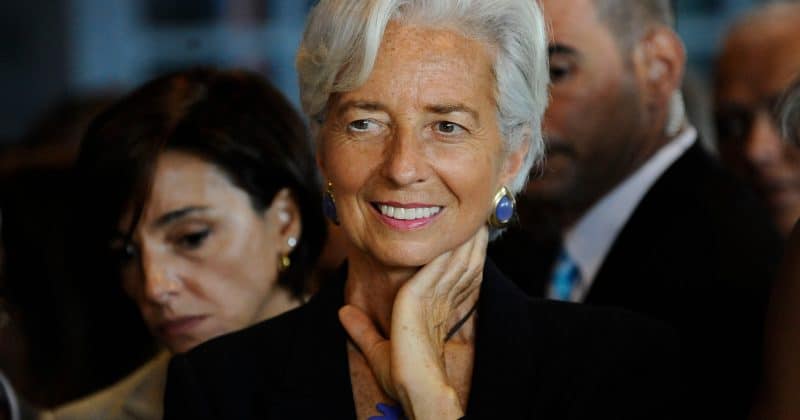
President Christine Lagarde framed the decision as a return to fundamentals. A more resilient European economy, she argued, allows the central bank to stabilize prices using the tools it was designed to use, primarily interest rate adjustments, rather than the unconventional measures that defined the crisis years.
What the numbers actually say
The ECB’s June 2026 staff projections paint a measured but cautious picture. Overall inflation is expected to average 3.0% for the full year before gradually declining. The target: 2.0% by 2028.
Why conventional tools are back on top
Lagarde’s messaging represents a philosophical pivot. The euro area’s improved economic resilience, she emphasized, means the ECB can pursue its symmetric 2% inflation target through its primary objective of price stability using the most basic tool in its arsenal: adjusting the cost of money.
What this means for crypto and risk assets
Notably absent from Lagarde’s public commentary and related ECB publications: any mention of crypto assets, digital currencies, or alternative monetary instruments.
When central banks raise interest rates, risk-free returns on government bonds and savings accounts become more attractive. Money that might otherwise chase yield in volatile markets, including crypto, tends to flow toward safer harbors. Higher rates also increase borrowing costs, which reduces the leverage that often amplifies crypto market moves.
The projected timeline to reach 2% inflation, stretching all the way to 2028, suggests rates could stay elevated for an extended period.