
European Central Bank should raise rates in June, Schnabel says
ECB board member argues a rate hike is necessary regardless of Iran peace deal outcome, with markets pricing in an 85% chance of a 25 basis point increase.
Isabel Schnabel, a member of the European Central Bank’s Executive Board, says the ECB needs to raise interest rates at its June meeting. Even if a peace deal materializes in Iran, she argues, the damage already done to energy markets and inflation is too deep to ignore.
Markets are currently pricing in an 85% probability of a 25 basis point hike at the ECB’s June 10-11 meeting. That would push the deposit facility rate from 2.00% to 2.25%.
The inflation math doesn’t lie
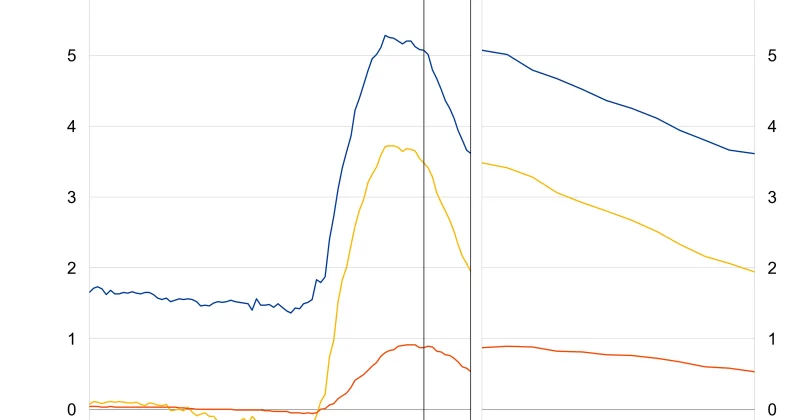
Euro-area inflation hit approximately 3% in April 2026. That’s a meaningful overshoot of the ECB’s 2% target, and it’s being driven largely by energy costs that have spiraled thanks to the ongoing Iran and Middle East conflict.
The conflict has reportedly added roughly 500 million euros in additional daily energy costs for Europe. Supply chains have been disrupted, infrastructure costs have risen, and businesses have already passed higher costs along to consumers.
“Based on what I see today, I think a rate hike is needed in June.”
Both ECB and EU forecasters have been forced to revise their 2026 inflation projections upward as a result.
Where ECB rates stand today
As of April 30, 2026, the ECB’s key policy rates sit at three levels. The deposit facility rate is at 2.00%, the main refinancing rate at 2.15%, and the marginal lending rate at 2.40%.
What this means for crypto and risk assets
Rate hikes increase the opportunity cost of holding non-yielding assets. When a government bond starts paying more, the relative attractiveness of speculative bets, including Bitcoin and Ethereum, tends to diminish.
The 2022-2023 tightening cycle by both the Federal Reserve and ECB coincided with significant drawdowns across digital asset markets. Investors rotated out of risk assets and into instruments that suddenly offered meaningful yield for the first time in years.
The key variable to watch isn’t just whether the ECB hikes in June. It’s the forward guidance that accompanies the decision. If Schnabel and her colleagues frame this as a one-and-done response to a temporary energy shock, markets might shrug it off. If they signal that further hikes are on the table, expect a more pronounced repricing across both traditional and digital asset markets.