
European Central Bank faces pressure for further rate hikes as IMF calls for 50 more basis points
The IMF says the ECB needs to keep tightening as energy-driven inflation tied to the Iran conflict forces central bankers back into hawkish mode.


The International Monetary Fund said the European Central Bank may need to raise borrowing costs again after officials in Frankfurt delivered a quarter point rate hike to contain renewed inflation pressure.
The ECB raised its deposit rate to 2.25%, marking its first hike since 2023. The move came as energy prices tied to the Iran war pushed inflation back above target and forced policymakers to rethink the path for monetary policy.
The IMF said euro area policy rates may need to rise further if inflation and inflation expectations keep moving above baseline forecasts. The fund’s outlook assumes a cumulative 50 basis point increase this year, reflecting the risk that both headline and core inflation remain above the ECB’s 2% target for longer than expected.
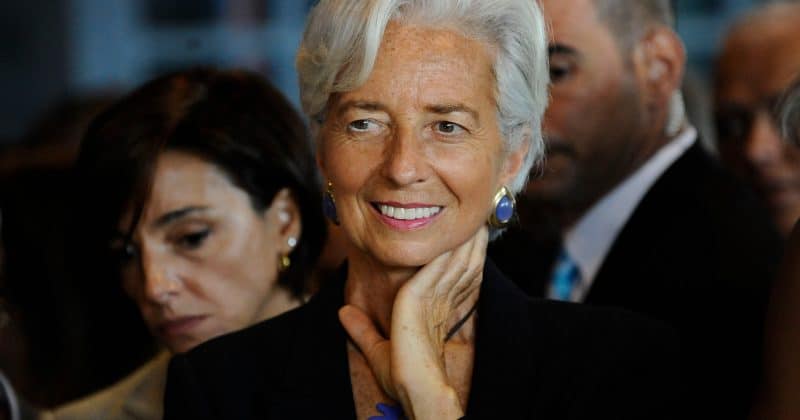
The warning adds pressure on ECB President Christine Lagarde, who has tried to keep policy guidance flexible as officials weigh weaker growth against higher prices. Markets now expect another move later this year, though policymakers have avoided committing to a fixed path.
The inflation problem is being driven largely by energy. Higher oil and gas prices have raised production costs, squeezed households, and threatened to push through into broader prices. The IMF warned that a stronger energy shock or higher inflation expectations could require faster or larger tightening.
The growth side of the equation is weaker. The IMF lowered its euro area growth outlook for 2026, while the ECB also cut its own forecast as higher energy costs weigh on demand, confidence, and investment.
The fund also criticized broad government support measures aimed at cushioning households and companies from the energy shock. It said fiscal aid should be temporary and targeted, warning that broad subsidies can weaken incentives to conserve energy and add pressure on central banks to do more.
That creates a difficult policy mix for Europe. Governments want to shield voters from higher energy bills, while the ECB is trying to prevent those same energy costs from becoming embedded in wages and expectations.