
European Central Bank warns stablecoins pose financial risks and challenges
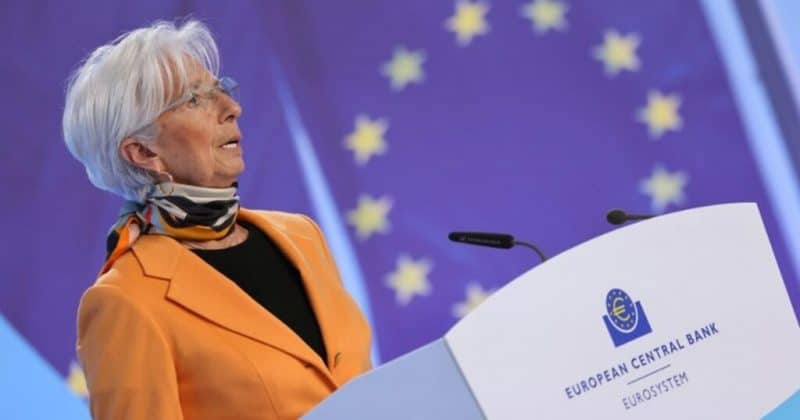
ECB President Christine Lagarde pushes back against proposals to ease euro stablecoin regulations, arguing they threaten bank deposits and monetary sovereignty.
The European Central Bank is drawing a line in the sand on stablecoins. At an informal meeting with EU finance ministers in Nicosia, Cyprus on May 22, ECB President Christine Lagarde rejected a proposal from the Bruegel think tank that would have loosened liquidity requirements for euro-denominated stablecoin issuers and given them access to ECB funding.
The central bank’s argument boils down to this: if stablecoins become too easy to issue and hold, people might pull their money out of traditional bank deposits. The ECB is worried that a thriving euro stablecoin market could starve commercial banks of the cheap funding they rely on, driving up borrowing costs and shrinking their ability to lend.
Lagarde’s case against euro stablecoins
This wasn’t a one-off comment. Lagarde laid the intellectual groundwork two weeks earlier, in a May 8 speech where she argued that the case for promoting euro stablecoins is “weaker than perceived.”
Her preferred alternatives are tokenized bank deposits and the planned digital euro, both of which keep the existing banking system firmly in the loop.
Lagarde’s stance also touches on monetary sovereignty. Stablecoins, particularly those issued by private entities outside the traditional banking perimeter, could complicate the ECB’s ability to transmit monetary policy. When the ECB raises or lowers interest rates, it expects those changes to ripple through the banking system. A large pool of value sitting in stablecoins could dampen that transmission mechanism.
The numbers tell a story of dominance, and absence
The global stablecoin supply reached approximately $300 billion by the end of 2025. Euro-pegged tokens accounted for just 0.3% of that total. Circle’s EURC is the most notable euro stablecoin, but it’s a minnow compared to the dollar-dominated giants like USDT and USDC.
The crypto and markets news you actually need—every morning.
Daily. Free. Join 34,000+ readers across crypto, finance, and policy.
The Qivalis consortium of 37 European banks is planning to launch a MiCA-compliant euro stablecoin in the second half of 2026.
EU vs. US: a regulatory tale of two continents
The EU’s Markets in Crypto-Assets Regulation, or MiCAR, has been in effect since 2024 and requires large reserve holdings in bank deposits. Across the Atlantic, the US passed the GENIUS Act in 2025, which takes a notably lighter touch.
What this means for investors
For anyone holding or trading euro-denominated stablecoins, the ECB’s position creates a clear near-term ceiling on growth. The central bank isn’t just passively monitoring the space. It’s actively lobbying finance ministers to keep the regulatory screws tight.
The Qivalis consortium launch later this year will be worth watching closely. If 37 banks can successfully issue a MiCA-compliant euro stablecoin, it could demonstrate that the regulatory framework is workable, even if imperfect. Conversely, if the project gets bogged down in compliance costs and operational complexity, it will validate the argument that MiCAR is too restrictive.
The regulatory gap between MiCAR and the GENIUS Act creates concentration risk. A stablecoin ecosystem dominated by dollar-denominated tokens leaves European institutions dependent on US regulatory decisions. The irony is that by restricting euro stablecoins so aggressively, the ECB may be accelerating the very dollar dominance it fears.