
Nexo Earn with Nexo
ERCOT warns of blackout risks as data centers and crypto miners trip offline during grid disturbances

ERCOT warns of blackout risks as data centers and crypto miners trip offline during grid disturbances

Texas grid operator says large energy users can shed over 5,000 MW during routine voltage fluctuations, threatening system-wide stability.

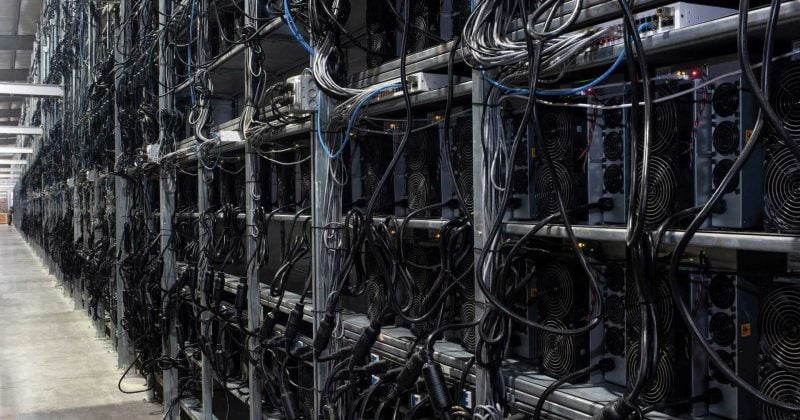
Texas’s power grid has a new vulnerability, and it’s sitting inside air-conditioned warehouses full of servers and mining rigs. ERCOT, the operator responsible for keeping the lights on for roughly 27 million Texans, published a report on May 21 revealing that large data centers and cryptocurrency mining facilities are routinely failing voltage ride-through tests.

The consequences aren’t theoretical. ERCOT identified four groups of large users that risk tripping over 5,000 MW of load each during normal voltage disturbances. For context, 5,000 MW is enough to power millions of homes on a mild day. When these facilities suddenly disconnect, they don’t just go dark themselves. They can destabilize the entire grid.

A pattern of abrupt disconnections

This isn’t a one-off concern. Since 2023, ERCOT has recorded at least 26 incidents where large loads abruptly disconnected during routine voltage fluctuations. Not extreme weather events. Not once-in-a-generation storms. Normal, everyday grid disturbances that equipment is supposed to handle without flinching.

Advertisement

The most dramatic example predates the current wave of concern. In December 2022, nearly 400 facilities tripped offline simultaneously, shedding roughly 1,700 MW of load. That represented about 5% of total electricity demand at the time.

A pipeline of power-hungry projects

Here’s the thing. The problem is about to get significantly worse before it gets better. ERCOT is currently reviewing approximately 20 GW of large-load interconnection requests. Of those, 3.9 GW of projects are expected to come online before July 1, 2026.

ERCOT has acknowledged the growing tension between economic development and grid reliability. Discussions around mandatory voltage ride-through requirements are expected in the near term, which could force non-compliant facilities to either upgrade their equipment or face disconnection.

What this means for crypto miners and investors

For cryptocurrency mining operations in Texas, the regulatory landscape is shifting under their feet. Mandatory ride-through standards would likely require significant infrastructure upgrades, meaning new power conversion equipment, better inverters, and more sophisticated grid-interface systems.

With 3.9 GW of new projects trying to energize before July 2026, any new requirements could create bottlenecks in the interconnection queue, delaying projects that have already committed capital.

For investors in publicly traded mining companies with significant Texas exposure, the key variable is uncertainty. ERCOT hasn’t finalized its new protocols yet, and that ambiguity creates risk that’s difficult to price, particularly for companies that haven’t disclosed detailed information about their ride-through compliance status.

Disclosure: This article was edited by Editorial Team. For more information on how we create and review content, see our Editorial Policy.

ERCOT warns of blackout risks as data centers and crypto miners trip offline during grid disturbances

ERCOT warns of blackout risks as data centers and crypto miners trip offline during grid disturbances

Texas grid operator says large energy users can shed over 5,000 MW during routine voltage fluctuations, threatening system-wide stability.

Texas’s power grid has a new vulnerability, and it’s sitting inside air-conditioned warehouses full of servers and mining rigs. ERCOT, the operator responsible for keeping the lights on for roughly 27 million Texans, published a report on May 21 revealing that large data centers and cryptocurrency mining facilities are routinely failing voltage ride-through tests.

The consequences aren’t theoretical. ERCOT identified four groups of large users that risk tripping over 5,000 MW of load each during normal voltage disturbances. For context, 5,000 MW is enough to power millions of homes on a mild day. When these facilities suddenly disconnect, they don’t just go dark themselves. They can destabilize the entire grid.

A pattern of abrupt disconnections

This isn’t a one-off concern. Since 2023, ERCOT has recorded at least 26 incidents where large loads abruptly disconnected during routine voltage fluctuations. Not extreme weather events. Not once-in-a-generation storms. Normal, everyday grid disturbances that equipment is supposed to handle without flinching.

Advertisement

The most dramatic example predates the current wave of concern. In December 2022, nearly 400 facilities tripped offline simultaneously, shedding roughly 1,700 MW of load. That represented about 5% of total electricity demand at the time.

A pipeline of power-hungry projects

Here’s the thing. The problem is about to get significantly worse before it gets better. ERCOT is currently reviewing approximately 20 GW of large-load interconnection requests. Of those, 3.9 GW of projects are expected to come online before July 1, 2026.

ERCOT has acknowledged the growing tension between economic development and grid reliability. Discussions around mandatory voltage ride-through requirements are expected in the near term, which could force non-compliant facilities to either upgrade their equipment or face disconnection.

What this means for crypto miners and investors

For cryptocurrency mining operations in Texas, the regulatory landscape is shifting under their feet. Mandatory ride-through standards would likely require significant infrastructure upgrades, meaning new power conversion equipment, better inverters, and more sophisticated grid-interface systems.

With 3.9 GW of new projects trying to energize before July 2026, any new requirements could create bottlenecks in the interconnection queue, delaying projects that have already committed capital.

For investors in publicly traded mining companies with significant Texas exposure, the key variable is uncertainty. ERCOT hasn’t finalized its new protocols yet, and that ambiguity creates risk that’s difficult to price, particularly for companies that haven’t disclosed detailed information about their ride-through compliance status.

Disclosure: This article was edited by Editorial Team. For more information on how we create and review content, see our Editorial Policy.