
ESMA adds 37 new MiCA-licensed crypto firms, including Standard Chartered and FalconX

ESMA adds 37 new MiCA-licensed crypto firms, including Standard Chartered and FalconX

The EU's crypto register now holds 280 authorized firms after the transitional period closed on July 1

Europe’s crypto regulatory machine just turned a significant gear. The European Securities and Markets Authority published its first update to the interim MiCA register following the close of the EU transitional period, adding 37 new crypto-asset service providers and pushing the total count to 280 authorized firms.

The previous tally, as of June 26, sat at 243. In roughly a week, that number jumped by 37, and the names on the new additions list read like a who’s who of both traditional finance and crypto-native firms.

Standard Chartered and FalconX make the list

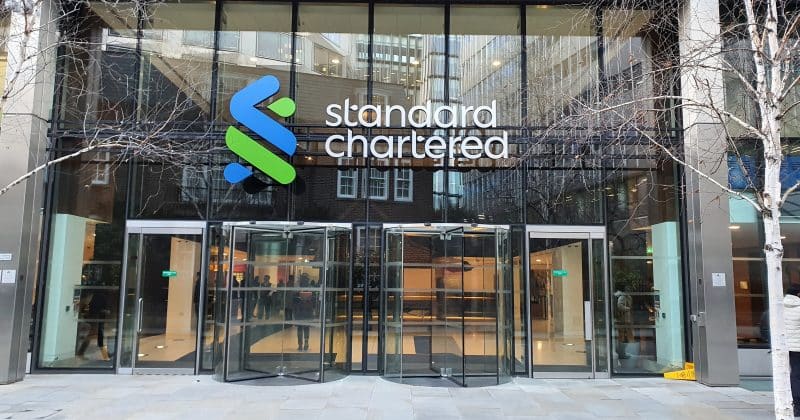
The headline addition is Standard Chartered, one of the world’s largest international banks, which secured its MiCA authorization on June 25 from Luxembourg’s financial regulator, the CSSF. The authorization arrived alongside an Electronic Money Institution license, meaning the bank can now operate across EU member states under a single regulatory passport.

Advertisement

FalconX, the institutional crypto trading firm, also made the cut. It received authorization from Malta’s financial regulator, the MFSA, shortly before the July 1 deadline.

Other notable additions include Sygnum Europe, the digital asset bank that has been quietly building a regulated presence across Europe, along with Ronin EM and CACEIS, the asset servicing arm of Credit Agricole and Santander.

What the July 1 deadline actually meant

The EU’s transitional period for MiCA ended on July 1, 2026. That deadline marked the cutoff for the grace period that allowed crypto firms already operating in EU member states to continue doing business while pursuing formal authorization.

Once that date passed, any provider without a valid MiCA license was required to stop onboarding new clients and begin winding down operations in the EU. The spike in ESMA’s register from 243 to 280 in the week following the deadline reflects exactly that pressure materializing into approvals.

MiCA is the most comprehensive crypto regulatory framework any major jurisdiction has produced, covering crypto-asset issuers, trading platforms, custody providers, and portfolio managers under a single EU-wide rulebook. The firms that secured licenses before the deadline secured something genuinely valuable: the right to serve 450 million EU consumers under a recognized legal framework.

What this means for the market

For institutional investors looking at European digital asset exposure, the growing register provides a reliable map of who is authorized to operate. Counterparty risk assessments become easier when the regulator publishes a public list of compliant firms and updates it in near real time.

MiCA’s passporting mechanism lets a single authorization from one member state, say Luxembourg or Malta, apply across all 27 EU countries. That reduces the duplication cost, but it does not eliminate it.

Disclosure: This article was edited by Editorial Team. For more information on how we create and review content, see our Editorial Policy.

ESMA adds 37 new MiCA-licensed crypto firms, including Standard Chartered and FalconX

ESMA adds 37 new MiCA-licensed crypto firms, including Standard Chartered and FalconX

The EU's crypto register now holds 280 authorized firms after the transitional period closed on July 1

Europe’s crypto regulatory machine just turned a significant gear. The European Securities and Markets Authority published its first update to the interim MiCA register following the close of the EU transitional period, adding 37 new crypto-asset service providers and pushing the total count to 280 authorized firms.

The previous tally, as of June 26, sat at 243. In roughly a week, that number jumped by 37, and the names on the new additions list read like a who’s who of both traditional finance and crypto-native firms.

Standard Chartered and FalconX make the list

The headline addition is Standard Chartered, one of the world’s largest international banks, which secured its MiCA authorization on June 25 from Luxembourg’s financial regulator, the CSSF. The authorization arrived alongside an Electronic Money Institution license, meaning the bank can now operate across EU member states under a single regulatory passport.

Advertisement

FalconX, the institutional crypto trading firm, also made the cut. It received authorization from Malta’s financial regulator, the MFSA, shortly before the July 1 deadline.

Other notable additions include Sygnum Europe, the digital asset bank that has been quietly building a regulated presence across Europe, along with Ronin EM and CACEIS, the asset servicing arm of Credit Agricole and Santander.

What the July 1 deadline actually meant

The EU’s transitional period for MiCA ended on July 1, 2026. That deadline marked the cutoff for the grace period that allowed crypto firms already operating in EU member states to continue doing business while pursuing formal authorization.

Once that date passed, any provider without a valid MiCA license was required to stop onboarding new clients and begin winding down operations in the EU. The spike in ESMA’s register from 243 to 280 in the week following the deadline reflects exactly that pressure materializing into approvals.

MiCA is the most comprehensive crypto regulatory framework any major jurisdiction has produced, covering crypto-asset issuers, trading platforms, custody providers, and portfolio managers under a single EU-wide rulebook. The firms that secured licenses before the deadline secured something genuinely valuable: the right to serve 450 million EU consumers under a recognized legal framework.

What this means for the market

For institutional investors looking at European digital asset exposure, the growing register provides a reliable map of who is authorized to operate. Counterparty risk assessments become easier when the regulator publishes a public list of compliant firms and updates it in near real time.

MiCA’s passporting mechanism lets a single authorization from one member state, say Luxembourg or Malta, apply across all 27 EU countries. That reduces the duplication cost, but it does not eliminate it.

Disclosure: This article was edited by Editorial Team. For more information on how we create and review content, see our Editorial Policy.