
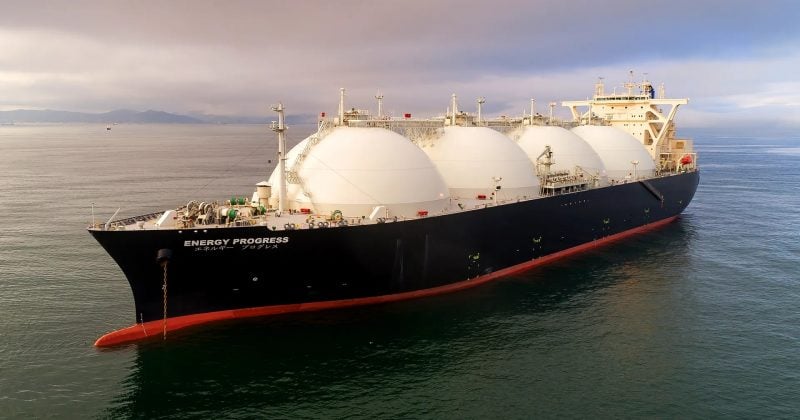
Europe spends billions on Russian LNG despite NATO defense efforts

https://www.britannica.com/video/Overview-tankers-natural-gas/-192447

Europe spends billions on Russian LNG despite NATO defense efforts

Russia cities entry by December 31, 2026

A recent analysis of commercial shipping data indicates that European countries have continued to spend billions on Russian liquefied natural gas (LNG) in the first half of 2026. This development comes despite NATO’s efforts to increase defense spending and support Ukraine amidst ongoing conflict with Russia. The European Union’s dependency on Russian LNG remains a significant source of revenue for the Kremlin, complicating the geopolitical dynamics of the Russia-Ukraine war. The EU had formally mandated a phase-out of Russian gas, yet imports have risen, with LNG increasing by 11% year-on-year as of early 2026.

Advertisement

Current market pricing suggests a potential impact on predictions regarding Russian military maneuvers, particularly concerning the possibility of Russia entering Sloviansk by the end of 2026. As European financial flows to Russia continue, the likelihood of sustained military operations by Russia appears to be factored into prediction markets. The “Will Russia enter Sloviansk by December 31, 2026?” market currently shows a 21.5% probability of a YES outcome, indicative of complex implications for regional security.

Key Takeaways

  • European financial support for Russia through LNG purchases appears to undermine NATO efforts, suggesting continued Russian military capability.
  • Markets indicate a 21.5% probability of Russian entry into Sloviansk by the end of 2026, reflecting concerns of ongoing conflict.
  • EU’s planned phase-out of Russian gas has yet to reduce import levels, potentially affecting geopolitical dynamics and market outlooks.

What to Watch

Watch for further developments in EU energy policy enforcement, as successful reduction in Russian LNG imports could shift market perceptions. Additionally, NATO’s military support actions and any changes in Russian military strategies will be critical indicators. Increased international sanctions or diplomatic breakthroughs could also influence the current trajectory of market pricing regarding Russian military movements.

Get live prediction-market analysis, powered by Vera. Sign up for Vera.

Disclosure: This article was edited by Estefano Gomez. For more information on how we create and review content, see our Editorial Policy.

Europe spends billions on Russian LNG despite NATO defense efforts

Europe spends billions on Russian LNG despite NATO defense efforts

Russia cities entry by December 31, 2026

https://www.britannica.com/video/Overview-tankers-natural-gas/-192447

A recent analysis of commercial shipping data indicates that European countries have continued to spend billions on Russian liquefied natural gas (LNG) in the first half of 2026. This development comes despite NATO’s efforts to increase defense spending and support Ukraine amidst ongoing conflict with Russia. The European Union’s dependency on Russian LNG remains a significant source of revenue for the Kremlin, complicating the geopolitical dynamics of the Russia-Ukraine war. The EU had formally mandated a phase-out of Russian gas, yet imports have risen, with LNG increasing by 11% year-on-year as of early 2026.

Advertisement

Current market pricing suggests a potential impact on predictions regarding Russian military maneuvers, particularly concerning the possibility of Russia entering Sloviansk by the end of 2026. As European financial flows to Russia continue, the likelihood of sustained military operations by Russia appears to be factored into prediction markets. The “Will Russia enter Sloviansk by December 31, 2026?” market currently shows a 21.5% probability of a YES outcome, indicative of complex implications for regional security.

Key Takeaways

  • European financial support for Russia through LNG purchases appears to undermine NATO efforts, suggesting continued Russian military capability.
  • Markets indicate a 21.5% probability of Russian entry into Sloviansk by the end of 2026, reflecting concerns of ongoing conflict.
  • EU’s planned phase-out of Russian gas has yet to reduce import levels, potentially affecting geopolitical dynamics and market outlooks.

What to Watch

Watch for further developments in EU energy policy enforcement, as successful reduction in Russian LNG imports could shift market perceptions. Additionally, NATO’s military support actions and any changes in Russian military strategies will be critical indicators. Increased international sanctions or diplomatic breakthroughs could also influence the current trajectory of market pricing regarding Russian military movements.

Get live prediction-market analysis, powered by Vera. Sign up for Vera.

Disclosure: This article was edited by Estefano Gomez. For more information on how we create and review content, see our Editorial Policy.