
European defense spending surges amid Russia-Ukraine conflict: FT

https://peace.fes.de/projects/visualising-military-capabilities.html

European defense spending surges amid Russia-Ukraine conflict: FT

Russia cities entry by December 31, 2026

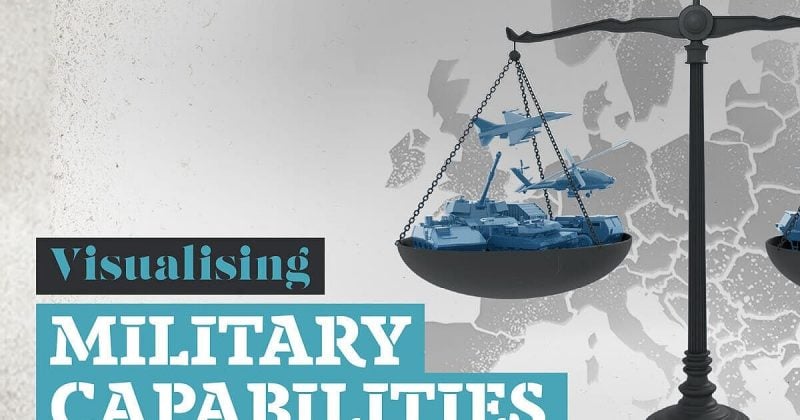
The Financial Times has reported a significant rise in European defense spending, attributed to Russia’s invasion of Ukraine and former U.S. President Donald Trump’s insistence on increased military expenditures by European nations. This development comes amidst ongoing conflicts, with Russian forces actively engaged in Ukraine and Trump’s administration having previously curtailed U.S. military support to Europe. The shift toward a more self-reliant European defense strategy is seen as a direct response to perceived threats and the potential reduction of U.S. military protection.

Advertisement

In the context of prediction markets, this news appears to have influenced market participants’ perceptions of potential military outcomes involving Russia. The increased defense budgets in Europe may indicate a more aggressive military posture from European nations, potentially impacting scenarios related to Russian military actions.

Key Takeaways

  • European defense spending surge appears consistent with heightened military readiness in response to Russia’s actions.
  • Markets suggest that increased European military capabilities could affect the likelihood of Russia entering cities like Sloviansk.
  • Trump’s pressure for Europe to bolster its defense budgets may indicate shifts in U.S. foreign policy that affect NATO dynamics.

What to Watch

Observers should monitor ongoing military developments in Ukraine and any further policy announcements from European nations regarding defense spending. The reaction of prediction markets to these events will be crucial in assessing the perceived likelihood of Russian military actions. Additionally, any new statements or policy shifts from the Trump administration in relation to NATO could further influence market sentiment.

Get prediction market intelligence as a structured API feed. Early access waitlist.

Disclosure: This article was edited by Estefano Gomez. For more information on how we create and review content, see our Editorial Policy.

European defense spending surges amid Russia-Ukraine conflict: FT

European defense spending surges amid Russia-Ukraine conflict: FT

Russia cities entry by December 31, 2026

https://peace.fes.de/projects/visualising-military-capabilities.html

The Financial Times has reported a significant rise in European defense spending, attributed to Russia’s invasion of Ukraine and former U.S. President Donald Trump’s insistence on increased military expenditures by European nations. This development comes amidst ongoing conflicts, with Russian forces actively engaged in Ukraine and Trump’s administration having previously curtailed U.S. military support to Europe. The shift toward a more self-reliant European defense strategy is seen as a direct response to perceived threats and the potential reduction of U.S. military protection.

Advertisement

In the context of prediction markets, this news appears to have influenced market participants’ perceptions of potential military outcomes involving Russia. The increased defense budgets in Europe may indicate a more aggressive military posture from European nations, potentially impacting scenarios related to Russian military actions.

Key Takeaways

  • European defense spending surge appears consistent with heightened military readiness in response to Russia’s actions.
  • Markets suggest that increased European military capabilities could affect the likelihood of Russia entering cities like Sloviansk.
  • Trump’s pressure for Europe to bolster its defense budgets may indicate shifts in U.S. foreign policy that affect NATO dynamics.

What to Watch

Observers should monitor ongoing military developments in Ukraine and any further policy announcements from European nations regarding defense spending. The reaction of prediction markets to these events will be crucial in assessing the perceived likelihood of Russian military actions. Additionally, any new statements or policy shifts from the Trump administration in relation to NATO could further influence market sentiment.

Get prediction market intelligence as a structured API feed. Early access waitlist.

Disclosure: This article was edited by Estefano Gomez. For more information on how we create and review content, see our Editorial Policy.