
Only 3 of 9 European teams win in 2026 World Cup matches, and crypto markets are paying attention
Europe's early struggles at the expanded 48-team tournament are reshaping fan token activity and prediction markets across the crypto ecosystem
The 2026 FIFA World Cup is barely a week old, and European football is already having an identity crisis. Of the nine European teams that have played so far, only three managed to pick up wins in the group stage.
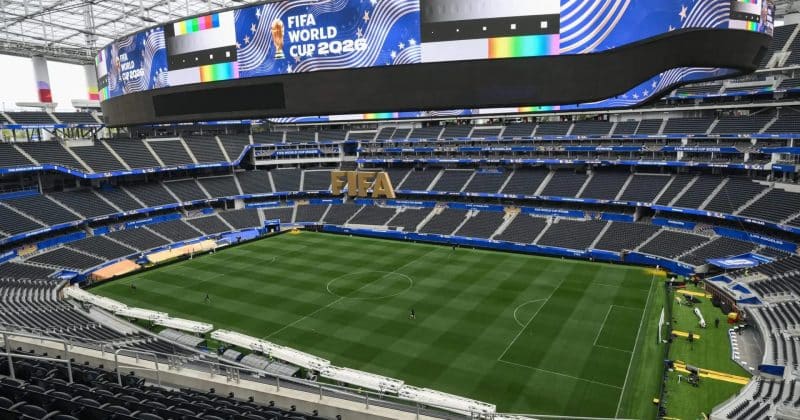
The tournament, which kicked off on June 11 and is being co-hosted across Canada, Mexico, and the United States, expanded to 48 teams this year. That means 12 groups, more matches, and apparently more opportunities for upsets.
What happened on the pitch
Scotland grabbed one of Europe’s rare early victories, edging Haiti 1-0 on June 13. Germany, meanwhile, reminded everyone that they still have a pulse with a 7-1 demolition of Curaçao.
The expanded format brought 16 European teams into the tournament. Beyond Scotland, Germany, and one other European victor, the rest of the continent’s representatives have been stuck in a cycle of draws and defeats.
Crypto’s biggest World Cup moment yet
This tournament marks a first for the intersection of football and digital assets. Kraken, the major US-based crypto exchange, was announced as FIFA’s first-ever official crypto exchange supporter on June 9, just two days before the opening match.
The news moving money, markets, and the world—before your day starts.
Daily. Free. Join 34,000+ readers across crypto, finance, and policy.
Fan tokens, particularly those built on the Chiliz ecosystem, have been gaining traction alongside the tournament. National team tokens like ARG (Argentina) and POR (Portugal) are actively trading on platforms such as Socios.com.
What this means for investors
The Kraken-FIFA partnership adds an institutional layer to all of this. The presence of a major exchange as an official sponsor legitimizes the fan token market in ways that previous tournament cycles didn’t achieve.
Fan tokens are notoriously volatile, and their prices are driven more by emotion than fundamentals. A single group-stage match can swing a token’s value by double digits.