
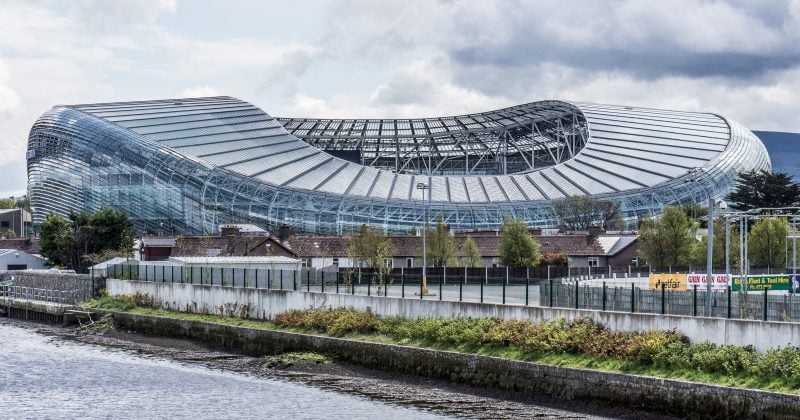
Football Association of Ireland moves Nations League match to neutral venue amid Gaza protests
The FAI will play its October 4 home fixture against Israel behind closed doors at an overseas location after UEFA approved the relocation due to protest-related operational challenges.
The Football Association of Ireland has pulled the plug on hosting Israel at Dublin’s Aviva Stadium. The October 4 UEFA Nations League fixture will instead take place at a neutral venue overseas, behind closed doors, with no fans in attendance.
The FAI announced the decision on June 12, citing operational challenges tied to sustained public protests over the war in Gaza. UEFA signed off on the move.
What happened and why it matters
Ireland’s home match against Israel was originally slated for the Aviva Stadium in Dublin. Public demonstrations in Ireland have centered on the civilian death toll in Gaza, with organized campaigns calling for a full boycott of the fixture. Players and public figures joined the chorus, arguing that hosting the match would be tone-deaf given the scale of humanitarian suffering.
The FAI framed its decision as being in the best interests of Irish football. The association acknowledged the humanitarian crisis in Gaza while noting its obligation to fulfill the fixture under UEFA’s competition rules.
A related match on September 27, designated as Israel’s home game in the Nations League schedule, is also expected to be relocated to a neutral site. No specific alternate venue has been confirmed for either match, though Hungary has been floated as a potential host. Hungary has served as a neutral ground for Israeli home fixtures before, making it a logistically familiar option for UEFA.
The news moving money, markets, and the world—before your day starts.
Daily. Free. Join 34,000+ readers across crypto, finance, and policy.
The broader context
Ireland has historically shown strong solidarity with Palestinian causes, a stance rooted in parallels many Irish people draw between the Palestinian experience and Ireland’s own colonial history. The protests weren’t sporadic. They were organized, sustained, and loud enough that the FAI and UEFA concluded the operational burden of staging the match safely in Dublin was too high.
UEFA’s rules require member associations to fulfill their fixtures. Refusing to play would result in a 3-0 forfeit loss and potential disciplinary action, including fines or even suspension from future competitions. The FAI threaded the needle by relocating rather than boycotting, satisfying its competitive obligations while responding to domestic pressure.
The FAI’s statement carefully avoided taking an explicit political position on the conflict itself, instead leaning on the language of operational necessity and humanitarian concern.