
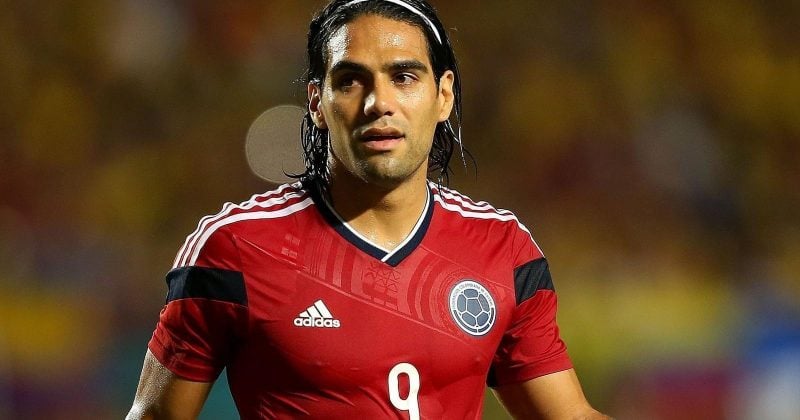
Radamel Falcao criticizes Colombia’s football structure after World Cup exit, spotlighting a problem crypto could solve
The legendary striker's critique of broken football infrastructure echoes a familiar pattern that blockchain-based sports platforms are already trying to fix.
Radamel Falcao, Colombia’s all-time leading goal scorer, didn’t hold back after the national team’s round-of-16 exit from the 2026 FIFA World Cup. Following a penalty shootout loss to Switzerland on July 8, the striker turned ESPN Colombia commentator delivered a pointed critique of the country’s football infrastructure. His core argument: the system is broken from the ground up, and young talent is paying the price.
What Falcao actually said
Speaking during his commentary role for ESPN Colombia, Falcao zeroed in on specific systemic failures. Colombia lacks a Category C league, which is essentially a third division where young players can develop competitively before making the jump to higher tiers. Without it, promising 20-year-olds simply disappear from the pipeline.
He also called out the low wages paid to players at the club level, arguing that insufficient investment makes it nearly impossible to retain and develop homegrown talent. Colombia returned to the World Cup after an eight-year absence, which should have been a celebration. Instead, the round-of-16 elimination exposed deeper cracks in the foundation.
Falcao’s critique carries weight. He’s the most prolific scorer in Colombian national team history with 36 international goals, someone who has played at the highest levels of European football. Falcao was not selected for the national squad due to performance issues at age 40, and shared his observations as a guest commentator for ESPN and Disney+ during the tournament.
Where crypto and blockchain fit into the picture
Falcao’s frustrations map neatly onto problems that several crypto and blockchain projects have been targeting for years. Look at platforms like Chiliz, which powers fan tokens for major football clubs and has expanded into broader sports engagement. Several blockchain-based platforms now allow fans and investors to fund young athletes directly, receiving a share of future earnings in return.
The news moving money, markets, and the world—before your day starts.
Daily. Free. Join 34,000+ readers across crypto, finance, and policy.
The bigger picture for sports and Web3
Colombia’s football infrastructure problems aren’t unique. Argentina, Brazil, and Mexico all face versions of the same challenge: a massive base of raw talent funneled through underfunded development systems. The 2026 World Cup, co-hosted by the US, Mexico, and Canada, has put a spotlight on these structural gaps across Latin American football.
Fan tokens generated significant trading volume during the tournament, and blockchain-based ticketing solutions were deployed at several venues. Fan tokens have faced criticism for offering little real utility beyond speculative trading, and tokenized athlete contracts raise regulatory questions that most jurisdictions haven’t answered yet. Colombia’s own crypto regulatory framework remains a work in progress.
The absence of a third division league is a concrete, solvable problem. Low player wages at the club level is a funding problem. Both are the kinds of challenges that decentralized capital formation was theoretically designed to address.