
Federal Reserve, Bank of England face trust deficit amid inflation concerns
Both central banks held rates steady this week, but rising long-run inflation expectations suggest markets are losing faith in their ability to do the job
The Federal Reserve and the Bank of England delivered back-to-back rate decisions this week that were functionally identical: do nothing. The Fed held its federal funds rate at 3.5% to 3.75% on June 17. The BoE followed a day later, voting 7-2 to keep its Bank Rate at 3.75%. Together, they paint a picture of two institutions caught between sticky inflation and the political cost of fighting it harder.
The numbers behind the standstill
The Fed’s decision came against a backdrop of geopolitical tension tied to the US-Iran conflict, giving policymakers another reason to sit on their hands. The committee characterized the current rate range as appropriately restrictive.
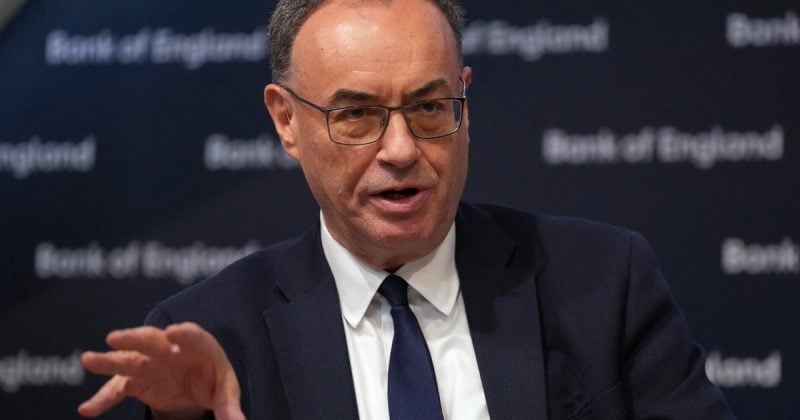
Across the Atlantic, the BoE’s situation looks arguably worse. UK inflation sits at 2.8%, meaningfully above the bank’s 2% target. Two of the nine Monetary Policy Committee members actually voted for a 25 basis point hike, a notable dissent that signals internal disagreement about whether the current stance is tough enough.
The BoE has at least been quietly unwinding its balance sheet. As of June 10, its asset purchase program holdings had been reduced to 523 billion pounds, a continuation of the quantitative tightening that started in earnest after the post-pandemic spending binge.
Why crypto cares about central bank credibility
Bitcoin was designed, quite literally, as a response to the 2008 financial crisis and the perception that central banks couldn’t be trusted with monetary policy. Satoshi Nakamoto’s genesis block famously embedded a newspaper headline about bank bailouts.
The news moving money, markets, and the world—before your day starts.
Daily. Free. Join 34,000+ readers across crypto, finance, and policy.
When long-run inflation expectations become “unanchored,” a term central bankers use when the public stops believing the 2% target is achievable, investors start looking for assets that don’t depend on institutional competence. Bitcoin tends to respond sharply to unexpected monetary policy moves, but it also benefits from prolonged periods where central banks appear stuck — not cutting, not hiking, just frozen. That’s essentially where we are now, with both the Fed and BoE holding rates steady while inflation runs above target.
Stablecoins as the quiet bridge
Stablecoins, which are pegged to fiat currencies but operate on crypto rails, have been gaining traction as transitional assets. They offer instant settlement, borderless transfers, and freedom from capital controls. As central bank credibility erodes, stablecoin usage could accelerate, serving as an on-ramp to the broader digital asset ecosystem.
What investors should watch
The BoE’s 7-2 vote split is worth monitoring closely. If more committee members start voting for hikes, it would signal that the current rate isn’t doing enough — a tacit admission that inflation expectations are slipping.
When nominal rates stay flat but inflation expectations rise, real yields fall, making non-yielding assets like Bitcoin and gold relatively more attractive. That math is currently working in crypto’s favor, and neither the Fed nor the BoE appears ready to change the equation anytime soon.