
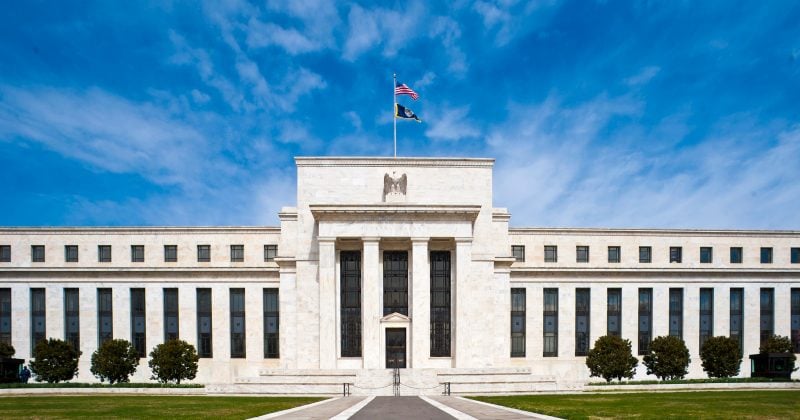
Federal Reserve faces boom-bust cycle as inflation pressures mount
Markets pivot from expecting rate cuts to pricing in hikes as the Fed risks repeating historical policy mistakes
The Federal Reserve has a familiar problem on its hands. Inflation is climbing, energy prices are adding fuel to the fire, and the central bank looks like it’s showing up late to its own party.
Markets have undergone a sharp recalibration in 2026. What started as widespread expectations for multiple rate cuts has flipped entirely, with traders now pricing in interest rate hikes by year-end.
The case for “behind the curve”
Right now, 2-year Treasury yields have climbed above the fed funds rate, a classic signal that investors believe monetary policy is too loose for the current inflation environment.
Inflation forecasts have been revised upward, driven largely by persistent energy price pressures and a geopolitical landscape that refuses to cooperate. Analysts project US real growth above 2% for 2026, buoyed by a combination of fiscal and monetary stimulus.
The concern isn’t just that inflation is rising. It’s that the Fed appears reluctant to act decisively during a period that also happens to coincide with leadership transition dynamics.
The boom-bust pattern the Fed knows too well
The late 1970s under Arthur Burns are the textbook example, where the Fed’s reluctance to raise rates aggressively allowed inflation to become deeply embedded. It ultimately took Paul Volcker’s punishing rate hikes in the early 1980s to break the cycle, but only after a severe recession.
What makes 2026 particularly tricky is the layered nature of inflationary pressures. Energy prices aren’t rising because of a single supply shock that will self-correct. Geopolitical uncertainties are creating sustained cost pressures across supply chains.
What this means for crypto and risk assets
Bitcoin has already been feeling the pressure. The cryptocurrency’s price has reacted negatively to Fed statements suggesting that rate cuts might be limited or postponed in 2026.
Higher rates increase the opportunity cost of holding non-yielding assets. They strengthen the dollar, which historically creates a drag on crypto prices.
The critical variable to watch is whether the Fed acts preemptively with modest hikes or waits until inflation forces its hand, requiring more aggressive action that could trigger exactly the kind of bust that historically follows an overextended boom.