
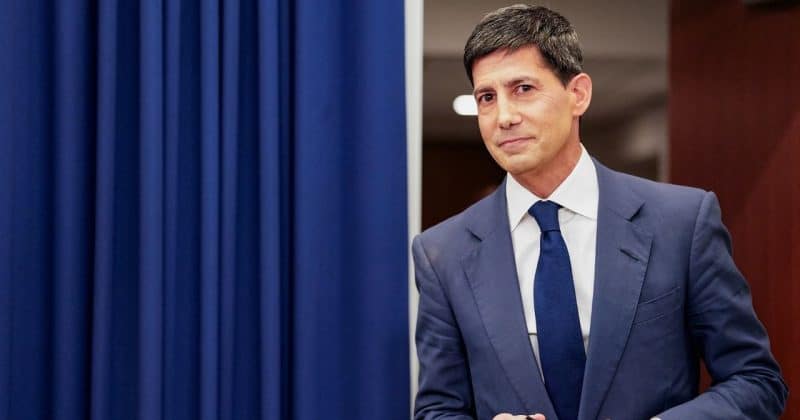
Federal Reserve Chairman Kevin Warsh commits to 2% inflation target, Yardeni says
The new Fed chair is calling five years of above-target inflation a 'fatal policy error,' and crypto markets should be paying attention
Ed Yardeni of Yardeni Research says new Federal Reserve Chairman Kevin Warsh has “pretty much” committed to bringing inflation down to 2%. That might sound like boilerplate central banking, but the subtext is anything but routine.
Warsh, who was confirmed as Fed Chair in mid-May 2026, is signaling a fundamentally different approach than his predecessor Jerome Powell. Where Powell’s Fed tolerated inflation running above target for extended periods, Warsh is drawing a hard line. He’s reportedly called prior tolerance of above-2% inflation a “fatal policy error.”
A regime change, but not the one crypto hoped for
For five years, inflation has sat stubbornly above the Fed’s 2% target. The previous leadership treated that overshoot as an acceptable tradeoff, a consequence of pandemic-era policy that would eventually self-correct. Warsh is rejecting that framework entirely.
At his first FOMC meeting on June 17, 2026, Warsh kept rates unchanged. The committee revised its inflation outlook higher, but held steady on the policy rate.
Warsh has also signaled a preference for trimmed-mean inflation metrics over headline measures. Trimmed-mean strips out the most volatile price swings on both ends, giving a cleaner read on underlying price pressures. It’s a technical shift, but it matters because it makes it harder for the Fed to point at falling energy prices or food deflation as reasons to declare victory prematurely.
Yardeni described the overall posture as a “regime change” at the Fed. Warsh is keeping the 2% target, but he’s enforcing it with a strictness that markets haven’t seen in years.
Macro, rates, and crypto—what moved markets and what matters next.
Daily. Free. Join 34,000+ readers across crypto, finance, and policy.
The broader macro picture
Warsh’s confirmation came after a contentious Senate process. His appointment by President Trump represented a deliberate pivot toward a more hawkish Fed leadership, though Warsh has been careful to frame his approach as institutionally independent rather than politically motivated.
Warsh served as a Fed governor from 2006 to 2011, navigating the financial crisis from inside the building. He left the board as one of its more hawkish voices, skeptical of extended quantitative easing.
Powell’s Fed adopted flexible average inflation targeting in 2020, essentially giving itself permission to let inflation run hot to make up for periods when it ran below 2%. By calling it a “fatal policy error,” Warsh isn’t just distancing himself from his predecessor. He’s signaling to bond markets, currency traders, and every asset class that depends on Fed guidance that the put option many had come to rely on is being repriced.
What crypto investors should watch
Rates stayed unchanged at the June FOMC meeting. The real test comes over the next two to three meetings, as Warsh’s rhetoric either hardens into action or softens in response to economic data.
Three things matter most for crypto holders in this environment. First, watch the trimmed-mean PCE inflation readings that Warsh appears to favor. If those metrics stay elevated, expect the hawkish rhetoric to intensify. Second, monitor Treasury yields. A Warsh-led Fed that convinces the bond market it’s serious about 2% inflation could bring long-term yields down over time, even without rate cuts, by reducing the term premium investors demand for holding long-duration bonds. Third, pay attention to the dollar. A hawkish Fed typically strengthens the dollar, which has historically been a headwind for Bitcoin priced in USD terms.
Yardeni has underlined that the Fed’s rigorous commitment to price stability could impose pressure on various risk assets.