
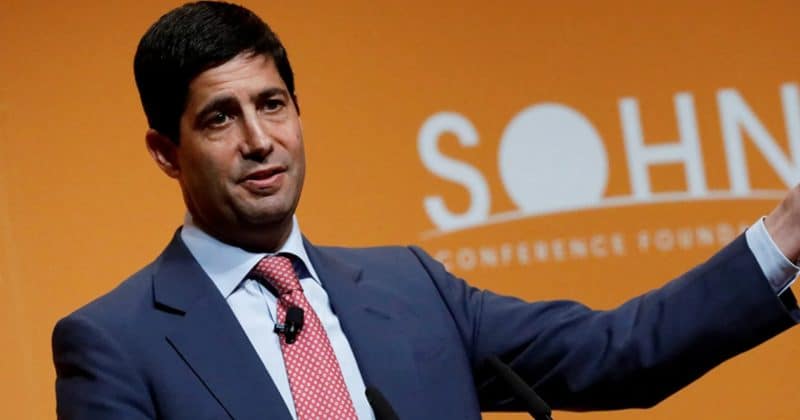
Federal Reserve Chair Warsh vows to combat inflation as prices hit three-year high

Federal Reserve Chair Warsh vows to combat inflation as prices hit three-year high

The new Fed chair held rates steady at his first meeting but signaled a potential hike later this year, with inflation climbing to 4.1%

Kevin Warsh has a message for anyone wondering where the Federal Reserve stands on inflation: the 2% target is, in his words, “unambiguous.”

The 17th Chair of the Federal Reserve, sworn in just weeks ago on May 22, kept interest rates unchanged at his first FOMC meeting on June 17. But the real signal was in what he promised next: a potential rate hike before the year is out, aimed squarely at inflation that has climbed to 4.1% as of May 2026, the highest reading in three years.

A hawkish debut for Trump’s Fed pick

Warsh’s path to the Fed’s top job was relatively swift. President Trump nominated him on March 4, 2026, and the Senate confirmed him in time for a late-May swearing in. During his confirmation hearings, inflation was sitting at 3.3%. By the time he actually took the chair, that number had jumped nearly a full percentage point.

Advertisement

Warsh used his first meeting to emphasize what he called a “strong and unified commitment” to price stability. He held rates steady for now, with the message to markets that if inflation doesn’t cool on its own, the Fed will cool it manually.

Why inflation is proving stubborn

The 4.1% inflation reading isn’t coming from one place. Supply shocks and geopolitical tensions, particularly involving Iran, have kept upward pressure on prices across multiple sectors.

The trajectory from 3.3% during Warsh’s confirmation to 4.1% just a few months later suggests the problem is accelerating. Getting from 4.1% back to 2% would require either a significant easing of global supply pressures or a monetary tightening campaign aggressive enough to slow economic activity.

What this means for investors and crypto markets

Traditional investors have responded positively to Warsh’s hawkish tone. If Warsh follows through on a rate hike later in 2026, borrowing costs will rise. That typically pressures equities, particularly growth stocks and tech companies that rely on cheap capital. Fixed-income assets could become more attractive as yields climb. And the dollar would likely strengthen, at least in the near term.

Still, a 4.1% inflation rate creates an interesting dynamic for Bitcoin’s “digital gold” narrative. When prices are rising faster than expected, assets perceived as inflation hedges tend to attract attention.

Disclosure: This article was edited by Editorial Team. For more information on how we create and review content, see our Editorial Policy.

Federal Reserve Chair Warsh vows to combat inflation as prices hit three-year high

Federal Reserve Chair Warsh vows to combat inflation as prices hit three-year high

The new Fed chair held rates steady at his first meeting but signaled a potential hike later this year, with inflation climbing to 4.1%

Kevin Warsh has a message for anyone wondering where the Federal Reserve stands on inflation: the 2% target is, in his words, “unambiguous.”

The 17th Chair of the Federal Reserve, sworn in just weeks ago on May 22, kept interest rates unchanged at his first FOMC meeting on June 17. But the real signal was in what he promised next: a potential rate hike before the year is out, aimed squarely at inflation that has climbed to 4.1% as of May 2026, the highest reading in three years.

A hawkish debut for Trump’s Fed pick

Warsh’s path to the Fed’s top job was relatively swift. President Trump nominated him on March 4, 2026, and the Senate confirmed him in time for a late-May swearing in. During his confirmation hearings, inflation was sitting at 3.3%. By the time he actually took the chair, that number had jumped nearly a full percentage point.

Advertisement

Warsh used his first meeting to emphasize what he called a “strong and unified commitment” to price stability. He held rates steady for now, with the message to markets that if inflation doesn’t cool on its own, the Fed will cool it manually.

Why inflation is proving stubborn

The 4.1% inflation reading isn’t coming from one place. Supply shocks and geopolitical tensions, particularly involving Iran, have kept upward pressure on prices across multiple sectors.

The trajectory from 3.3% during Warsh’s confirmation to 4.1% just a few months later suggests the problem is accelerating. Getting from 4.1% back to 2% would require either a significant easing of global supply pressures or a monetary tightening campaign aggressive enough to slow economic activity.

What this means for investors and crypto markets

Traditional investors have responded positively to Warsh’s hawkish tone. If Warsh follows through on a rate hike later in 2026, borrowing costs will rise. That typically pressures equities, particularly growth stocks and tech companies that rely on cheap capital. Fixed-income assets could become more attractive as yields climb. And the dollar would likely strengthen, at least in the near term.

Still, a 4.1% inflation rate creates an interesting dynamic for Bitcoin’s “digital gold” narrative. When prices are rising faster than expected, assets perceived as inflation hedges tend to attract attention.

Disclosure: This article was edited by Editorial Team. For more information on how we create and review content, see our Editorial Policy.