
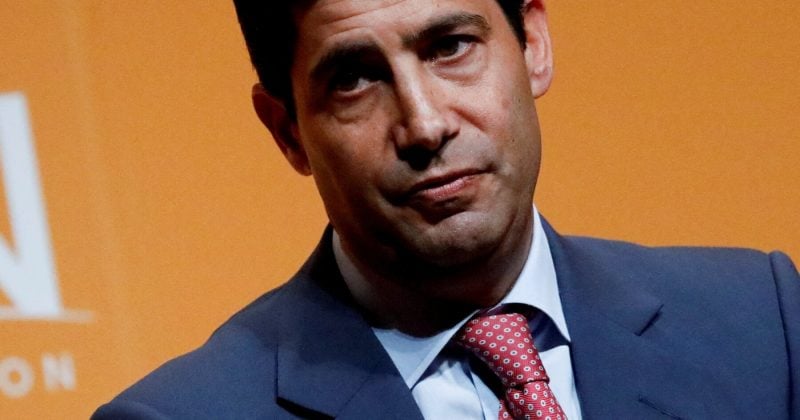
Fed Chair Warsh tells Congress he doesn’t work for Trump, and markets are listening
The new Federal Reserve chair's independence declaration carries real weight for crypto investors watching rate policy like hawks.
When asked directly whether he works for President Donald Trump, Federal Reserve Chair Kevin Warsh gave the kind of answer central bankers have been rehearsing since the institution was founded in 1913. He said the Fed is independent and not political.
The declaration and what’s behind it
Warsh was sworn in as Fed Chair on May 22, 2026, after being nominated by President Trump on March 4, 2026. His path to the top of the central bank was closely watched by both traditional finance and crypto markets.
On July 1, 2026, Warsh made his position explicit. “We’re going to be an independent central bank at this moment and you’re going to see no changes to that,” he stated publicly.
Trump has been vocal about wanting cheaper borrowing costs, a position that puts any Fed chair in an awkward spot. Warsh’s predecessor Jerome Powell navigated similar pressure for years, often drawing public criticism from the president.
Warsh’s crypto connections add a layer of complexity
What makes Warsh particularly interesting for the digital asset world is his personal financial history. His disclosure documents revealed investments in over a dozen blockchain-related companies, including DeFi protocols, Ethereum scaling solutions, and Bitcoin infrastructure plays. He has committed to divesting from those positions.
Macro, rates, and crypto—what moved markets and what matters next.
Daily. Free. Join 34,000+ readers across crypto, finance, and policy.
During his Senate confirmation hearing in April 2026, he showed familiarity with and openness toward digital assets, while simultaneously expressing skepticism about their function as money. Bitcoin’s price dipped toward $75,000 during that same confirmation process, correlating with Warsh’s hawkish commentary.
What this means for investors
Warsh’s hawkish tone signals comfort with higher real interest rates. When cash earns a meaningful yield in a money market fund, the opportunity cost of holding non-yielding assets like Bitcoin goes up.
Warsh previously served as a Fed Governor from 2006 to 2011, a period that included the 2008 financial crisis. His return under the Trump administration has raised expectations of tighter monetary conditions and stricter oversight on liquidity.
The correlation between monetary policy shifts and cryptocurrency valuations has grown tighter in recent years. Bitcoin responds to rate expectations, dollar strength, and liquidity cycles just like any other risk asset. Warsh’s policy framework, anchored in independence and inflation fighting, suggests the macro environment won’t be doing crypto any favors in the near term.