
Federal Reserve Chairman Warsh defends independence amid regular Trump administration meetings

Federal Reserve Chairman Warsh defends independence amid regular Trump administration meetings

The new Fed chair walks a familiar tightrope, insisting monetary policy stays apolitical while maintaining open lines to the White House.

Kevin Warsh, who officially took office as Federal Reserve Chair on May 22, 2026, has been making the case that regular communication with the executive branch and central bank independence aren’t mutually exclusive.

The independence question

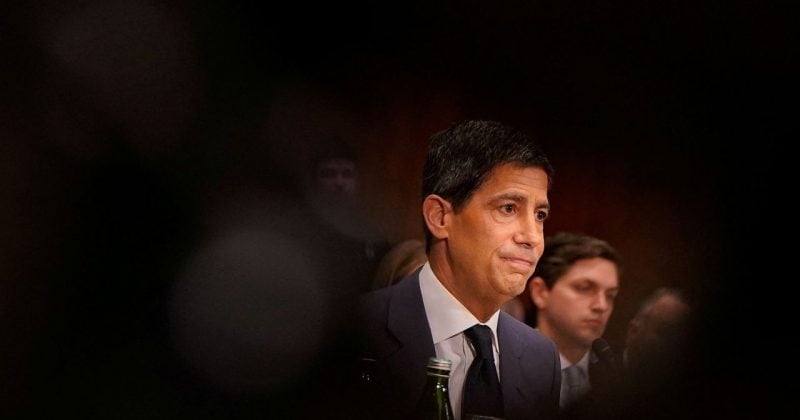
During his testimony before Congress on July 14, 2026, Warsh put it plainly. “The independence of the Fed is sacrosanct,” he told lawmakers.

Advertisement

The context matters here. Trump has a well-documented history of publicly pressuring Fed chairs on interest rate decisions. His battles with former Chair Jerome Powell became something of a recurring subplot during his first term. So when Trump nominated Warsh, a former Fed governor who served on the board from 2006 to 2011, the obvious question was whether this pick would be more compliant.

Warsh’s answer, at least publicly, has been a firm no. He’s described monetary policy independence as “essential” while drawing a clear line: he’ll collaborate with the administration on non-monetary issues, but rate decisions will be driven by economic data.

During Warsh’s swearing-in ceremony in May 2026, Trump urged his new Fed chair to be “totally independent.”

Legal reinforcement at a convenient time

Warsh’s independence argument got a significant boost from an unlikely ally: the Supreme Court. Rulings around June 2026 reportedly reinforced the Fed’s autonomy over monetary policy, adding a layer of legal protection to what had previously been more of a norm than a rule.

What this means for markets

For crypto and traditional markets alike, Warsh’s posture on independence sends a specific signal: expect monetary policy to track economic fundamentals rather than political cycles. Bitcoin and other digital assets have shown increasing correlation with rate expectations over the past several years. A Fed that holds firm on data-driven policy, even under political pressure, creates a more transparent framework for traders trying to anticipate liquidity conditions. If inflation stays elevated and Warsh follows through on his independence pledge, that could mean sustained higher rates, which historically has created headwinds for risk assets including crypto.

Disclosure: This article was edited by Editorial Team. For more information on how we create and review content, see our Editorial Policy.

Federal Reserve Chairman Warsh defends independence amid regular Trump administration meetings

Federal Reserve Chairman Warsh defends independence amid regular Trump administration meetings

The new Fed chair walks a familiar tightrope, insisting monetary policy stays apolitical while maintaining open lines to the White House.

Kevin Warsh, who officially took office as Federal Reserve Chair on May 22, 2026, has been making the case that regular communication with the executive branch and central bank independence aren’t mutually exclusive.

The independence question

During his testimony before Congress on July 14, 2026, Warsh put it plainly. “The independence of the Fed is sacrosanct,” he told lawmakers.

Advertisement

The context matters here. Trump has a well-documented history of publicly pressuring Fed chairs on interest rate decisions. His battles with former Chair Jerome Powell became something of a recurring subplot during his first term. So when Trump nominated Warsh, a former Fed governor who served on the board from 2006 to 2011, the obvious question was whether this pick would be more compliant.

Warsh’s answer, at least publicly, has been a firm no. He’s described monetary policy independence as “essential” while drawing a clear line: he’ll collaborate with the administration on non-monetary issues, but rate decisions will be driven by economic data.

During Warsh’s swearing-in ceremony in May 2026, Trump urged his new Fed chair to be “totally independent.”

Legal reinforcement at a convenient time

Warsh’s independence argument got a significant boost from an unlikely ally: the Supreme Court. Rulings around June 2026 reportedly reinforced the Fed’s autonomy over monetary policy, adding a layer of legal protection to what had previously been more of a norm than a rule.

What this means for markets

For crypto and traditional markets alike, Warsh’s posture on independence sends a specific signal: expect monetary policy to track economic fundamentals rather than political cycles. Bitcoin and other digital assets have shown increasing correlation with rate expectations over the past several years. A Fed that holds firm on data-driven policy, even under political pressure, creates a more transparent framework for traders trying to anticipate liquidity conditions. If inflation stays elevated and Warsh follows through on his independence pledge, that could mean sustained higher rates, which historically has created headwinds for risk assets including crypto.

Disclosure: This article was edited by Editorial Team. For more information on how we create and review content, see our Editorial Policy.