
Fed Chair Kevin Warsh vows to uphold independence amid Trump pressure

Fed Chair Kevin Warsh vows to uphold independence amid Trump pressure

The new Federal Reserve chairman told Congress he'll base rate decisions on data, not politics, and crypto markets are watching closely

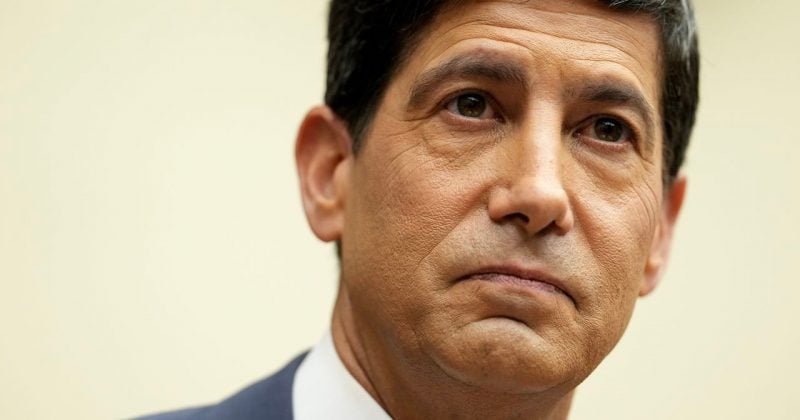
Kevin Warsh stood before Congress on July 14 and delivered a message that was equal parts reassuring and defiant: the Federal Reserve will remain independent, regardless of what the White House wants.

What Warsh actually said

During his House testimony, Warsh committed to ignoring political pressures and making interest rate decisions based purely on economic data.

President Trump, at Warsh’s swearing-in ceremony, said he wants the new chair to be “totally independent” and “just do a great job.” Which sounds supportive on the surface, except that Trump has a well-documented history of publicly pressuring Fed chairs when rate decisions don’t go his way. Jerome Powell, Warsh’s predecessor, can confirm.

Advertisement

Warsh was confirmed by the Senate on a 51-45 vote. He officially took office on May 22, 2026, inheriting a Fed navigating persistent inflation concerns and a president who has strong opinions about where rates should be.

The crypto-friendly Fed chair

Warsh served as a Fed governor from 2006 to 2011, giving him institutional credibility, but he’s also built a track record of engaging with cryptocurrency through investments in crypto firms. He’s even offered public critiques of Bitcoin, suggesting he thinks seriously about the space rather than dismissing it outright.

His first Federal Open Market Committee meeting as chair, held June 17-18, opted to hold interest rates steady, a decision that came paired with hawkish projections about future policy. The crypto market’s response was predictable: volatility. Holding rates steady is generally positive for risk assets like crypto, but hawkish forward guidance suggests tighter conditions could be coming. Markets had to price in both signals simultaneously, and the result was choppy trading across the board.

Why independence is the real story

Warsh’s explicit commitment to political independence during the July 14 testimony was a signal to global markets that the Fed’s decision-making framework remains intact regardless of who occupies the Oval Office.

The 51-45 confirmation vote tells its own story, though. Warsh doesn’t have a massive political cushion. Fed chairs serve four-year terms and can’t be fired for policy disagreements, but political pressure can influence the margins: the tone of public communication, the pace of policy shifts, the willingness to take bold action.

What this means for investors

For crypto market participants, Warsh’s familiarity with digital assets and his investments in crypto firms suggest he won’t pursue a hostile regulatory posture. But his commitment to fighting inflation with data-driven rate decisions means he won’t be cutting rates just because risk assets want him to.

The first FOMC meeting already demonstrated that his committee is willing to hold rates while projecting a hawkish outlook, a combination that creates short-term uncertainty for crypto traders. Any signs that Warsh is bending to political pressure would be significant trading signals, as liquidity conditions set by the Fed remain one of the single biggest external factors driving digital asset prices.

Disclosure: This article was edited by Editorial Team. For more information on how we create and review content, see our Editorial Policy.

Fed Chair Kevin Warsh vows to uphold independence amid Trump pressure

Fed Chair Kevin Warsh vows to uphold independence amid Trump pressure

The new Federal Reserve chairman told Congress he'll base rate decisions on data, not politics, and crypto markets are watching closely

Kevin Warsh stood before Congress on July 14 and delivered a message that was equal parts reassuring and defiant: the Federal Reserve will remain independent, regardless of what the White House wants.

What Warsh actually said

During his House testimony, Warsh committed to ignoring political pressures and making interest rate decisions based purely on economic data.

President Trump, at Warsh’s swearing-in ceremony, said he wants the new chair to be “totally independent” and “just do a great job.” Which sounds supportive on the surface, except that Trump has a well-documented history of publicly pressuring Fed chairs when rate decisions don’t go his way. Jerome Powell, Warsh’s predecessor, can confirm.

Advertisement

Warsh was confirmed by the Senate on a 51-45 vote. He officially took office on May 22, 2026, inheriting a Fed navigating persistent inflation concerns and a president who has strong opinions about where rates should be.

The crypto-friendly Fed chair

Warsh served as a Fed governor from 2006 to 2011, giving him institutional credibility, but he’s also built a track record of engaging with cryptocurrency through investments in crypto firms. He’s even offered public critiques of Bitcoin, suggesting he thinks seriously about the space rather than dismissing it outright.

His first Federal Open Market Committee meeting as chair, held June 17-18, opted to hold interest rates steady, a decision that came paired with hawkish projections about future policy. The crypto market’s response was predictable: volatility. Holding rates steady is generally positive for risk assets like crypto, but hawkish forward guidance suggests tighter conditions could be coming. Markets had to price in both signals simultaneously, and the result was choppy trading across the board.

Why independence is the real story

Warsh’s explicit commitment to political independence during the July 14 testimony was a signal to global markets that the Fed’s decision-making framework remains intact regardless of who occupies the Oval Office.

The 51-45 confirmation vote tells its own story, though. Warsh doesn’t have a massive political cushion. Fed chairs serve four-year terms and can’t be fired for policy disagreements, but political pressure can influence the margins: the tone of public communication, the pace of policy shifts, the willingness to take bold action.

What this means for investors

For crypto market participants, Warsh’s familiarity with digital assets and his investments in crypto firms suggest he won’t pursue a hostile regulatory posture. But his commitment to fighting inflation with data-driven rate decisions means he won’t be cutting rates just because risk assets want him to.

The first FOMC meeting already demonstrated that his committee is willing to hold rates while projecting a hawkish outlook, a combination that creates short-term uncertainty for crypto traders. Any signs that Warsh is bending to political pressure would be significant trading signals, as liquidity conditions set by the Fed remain one of the single biggest external factors driving digital asset prices.

Disclosure: This article was edited by Editorial Team. For more information on how we create and review content, see our Editorial Policy.