
Federal Reserve Chair Warsh links long-term inflation to monetary policy

Federal Reserve Chair Warsh links long-term inflation to monetary policy

The new Fed chair's monetarist philosophy is already moving crypto markets and reshaping how Wall Street thinks about rate expectations

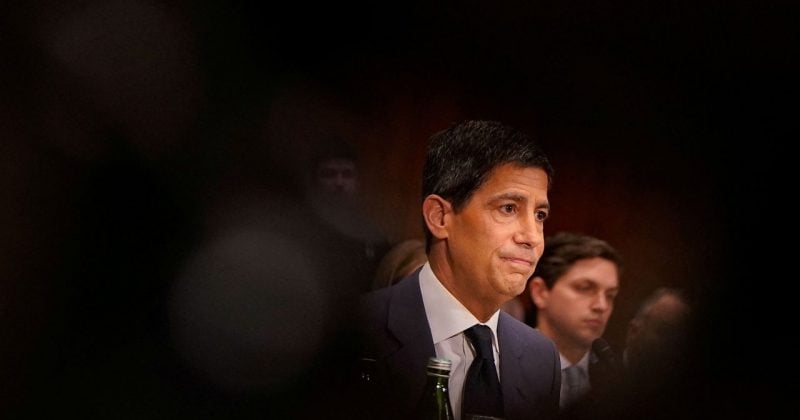
Kevin Warsh, the newly installed Federal Reserve Chair, is drawing a direct line between inflation and the central bank’s own decisions. His core message: long-term inflation isn’t some mysterious force driven by supply chains or geopolitics. It’s a monetary policy problem, full stop.

A new sheriff with an old playbook

Warsh was confirmed by the Senate on May 13, 2026, in a 55-45 vote, and sworn in on May 22. He replaced Jerome Powell, whose tenure was defined by pandemic-era stimulus, aggressive rate hikes, and a complicated relationship with the phrase “transitory inflation.”

This isn’t Warsh’s first tour of duty at the Fed. He served as a Governor from 2006 to 2011, a stretch that included the global financial crisis. During that period, he advocated for closer attention to monetary aggregates, essentially the total amount of money circulating in the economy, rather than relying solely on traditional models that emphasize employment and output gaps.

Advertisement

Rates, inflation, and the numbers that matter

In his first FOMC meetings as chair, Warsh held the federal funds rate steady at 3.50%-3.75%. The dot plot projections show expectations for rates near 3.8% by the end of 2026. PCE inflation forecasts for the year have been revised upward under Warsh’s leadership.

On July 1, 2026, Warsh stated that inflation risks have come down while reaffirming the Fed’s commitment to a 2% target. He also announced the formation of task forces to review monetary policy frameworks and the Fed’s communications strategy.

What Bitcoin heard

Crypto markets reacted to Warsh’s July 1 comments with enthusiasm. Bitcoin briefly reclaimed the $60K level following his remarks about easing inflation risks, according to CoinDesk.

What investors should actually watch

Warsh’s task forces deserve more attention than they’re getting. One will examine the Fed’s communication strategy, which could change how and when the market receives signals about policy direction. Another will look at productivity’s influence on inflation, a topic that has huge implications for whether AI-driven economic gains might help bring prices down without requiring further rate increases.

Warsh is inheriting a post-2020 economic landscape shaped by massive fiscal expansion. Government spending remains elevated, and a Fed chair who believes inflation is mainly about monetary policy is going to face an awkward reality: he controls the money supply, but he doesn’t control the federal budget.

Disclosure: This article was edited by Editorial Team. For more information on how we create and review content, see our Editorial Policy.

Federal Reserve Chair Warsh links long-term inflation to monetary policy

Federal Reserve Chair Warsh links long-term inflation to monetary policy

The new Fed chair's monetarist philosophy is already moving crypto markets and reshaping how Wall Street thinks about rate expectations

Kevin Warsh, the newly installed Federal Reserve Chair, is drawing a direct line between inflation and the central bank’s own decisions. His core message: long-term inflation isn’t some mysterious force driven by supply chains or geopolitics. It’s a monetary policy problem, full stop.

A new sheriff with an old playbook

Warsh was confirmed by the Senate on May 13, 2026, in a 55-45 vote, and sworn in on May 22. He replaced Jerome Powell, whose tenure was defined by pandemic-era stimulus, aggressive rate hikes, and a complicated relationship with the phrase “transitory inflation.”

This isn’t Warsh’s first tour of duty at the Fed. He served as a Governor from 2006 to 2011, a stretch that included the global financial crisis. During that period, he advocated for closer attention to monetary aggregates, essentially the total amount of money circulating in the economy, rather than relying solely on traditional models that emphasize employment and output gaps.

Advertisement

Rates, inflation, and the numbers that matter

In his first FOMC meetings as chair, Warsh held the federal funds rate steady at 3.50%-3.75%. The dot plot projections show expectations for rates near 3.8% by the end of 2026. PCE inflation forecasts for the year have been revised upward under Warsh’s leadership.

On July 1, 2026, Warsh stated that inflation risks have come down while reaffirming the Fed’s commitment to a 2% target. He also announced the formation of task forces to review monetary policy frameworks and the Fed’s communications strategy.

What Bitcoin heard

Crypto markets reacted to Warsh’s July 1 comments with enthusiasm. Bitcoin briefly reclaimed the $60K level following his remarks about easing inflation risks, according to CoinDesk.

What investors should actually watch

Warsh’s task forces deserve more attention than they’re getting. One will examine the Fed’s communication strategy, which could change how and when the market receives signals about policy direction. Another will look at productivity’s influence on inflation, a topic that has huge implications for whether AI-driven economic gains might help bring prices down without requiring further rate increases.

Warsh is inheriting a post-2020 economic landscape shaped by massive fiscal expansion. Government spending remains elevated, and a Fed chair who believes inflation is mainly about monetary policy is going to face an awkward reality: he controls the money supply, but he doesn’t control the federal budget.

Disclosure: This article was edited by Editorial Team. For more information on how we create and review content, see our Editorial Policy.