
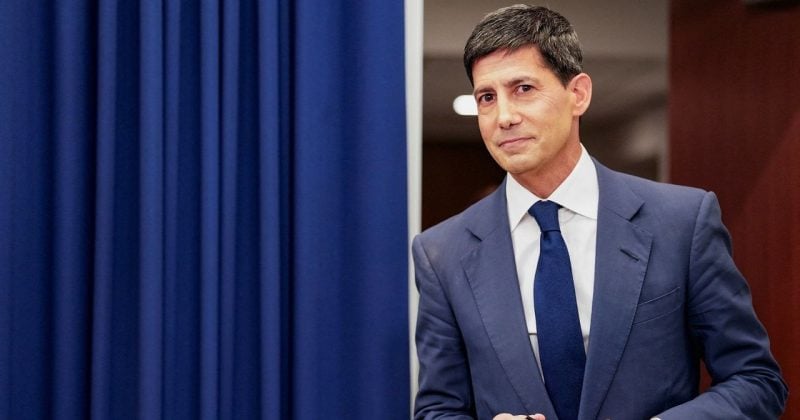
New Fed chair Kevin Warsh tells Congress inflation is an ‘unfair burden,’ signals policy regime change

New Fed chair Kevin Warsh tells Congress inflation is an ‘unfair burden,’ signals policy regime change

Warsh's first congressional testimony pledges aggressive action on inflation while flagging digital asset risks, leaving crypto markets in regulatory limbo

Kevin Warsh just gave Congress his opening pitch as the 17th Federal Reserve Chairman, and the message was blunt: inflation has been running hot for over five years, and he plans to do something about it.

Testifying before the House Financial Services Committee on July 14 and the Senate Banking Committee on July 15, Warsh described 63 consecutive months of above-target inflation as an “unfair burden” on American households and businesses. He pledged what he called a “regime change” in monetary policy.

The inflation picture

June 2026 CPI came in at 3.5% year-over-year, still well above the Fed’s 2% target. There was a small win: a 0.4% monthly decline, largely driven by falling oil prices. But core inflation, which strips out volatile food and energy costs, remained stable.

Advertisement

Warsh took office on May 22, 2026, succeeding Jerome Powell. He stopped short of telegraphing specific interest rate moves. What he did signal was the creation of new task forces to examine inflation dynamics, productivity roadblocks, and broader economic impediments.

What Warsh said about digital assets

Warsh acknowledged that digital currencies pose emerging risks to existing liquidity facilities and said the Fed would act to protect those facilities. He also advocated for AI safety protocols and streamlined capital rules for banks.

He did not mention any specific cryptocurrency, digital token, or stablecoin by name. No Bitcoin. No Ethereum. No reference to stablecoin legislation currently floating around Congress.

The framing was defensive rather than constructive. Warsh talked about protecting the existing financial system from digital asset risks, not about integrating crypto into that system.

What this means for crypto investors

The 3.5% CPI reading is the key number to watch going forward. If inflation keeps grinding down toward 2%, Warsh gets room to ease eventually. If core inflation stays sticky, expect the regime change rhetoric to translate into actual policy tightening.

Warsh’s focus on protecting liquidity facilities from digital asset risks suggests the Fed under his leadership will take a cautious, possibly restrictive approach to how banks interact with crypto. Warsh’s support for streamlined bank capital rules could free up bank balance sheets to engage with digital assets down the road, though whether that benefit flows to crypto depends entirely on how the Fed defines the guardrails.

Disclosure: This article was edited by Editorial Team. For more information on how we create and review content, see our Editorial Policy.

New Fed chair Kevin Warsh tells Congress inflation is an ‘unfair burden,’ signals policy regime change

New Fed chair Kevin Warsh tells Congress inflation is an ‘unfair burden,’ signals policy regime change

Warsh's first congressional testimony pledges aggressive action on inflation while flagging digital asset risks, leaving crypto markets in regulatory limbo

Kevin Warsh just gave Congress his opening pitch as the 17th Federal Reserve Chairman, and the message was blunt: inflation has been running hot for over five years, and he plans to do something about it.

Testifying before the House Financial Services Committee on July 14 and the Senate Banking Committee on July 15, Warsh described 63 consecutive months of above-target inflation as an “unfair burden” on American households and businesses. He pledged what he called a “regime change” in monetary policy.

The inflation picture

June 2026 CPI came in at 3.5% year-over-year, still well above the Fed’s 2% target. There was a small win: a 0.4% monthly decline, largely driven by falling oil prices. But core inflation, which strips out volatile food and energy costs, remained stable.

Advertisement

Warsh took office on May 22, 2026, succeeding Jerome Powell. He stopped short of telegraphing specific interest rate moves. What he did signal was the creation of new task forces to examine inflation dynamics, productivity roadblocks, and broader economic impediments.

What Warsh said about digital assets

Warsh acknowledged that digital currencies pose emerging risks to existing liquidity facilities and said the Fed would act to protect those facilities. He also advocated for AI safety protocols and streamlined capital rules for banks.

He did not mention any specific cryptocurrency, digital token, or stablecoin by name. No Bitcoin. No Ethereum. No reference to stablecoin legislation currently floating around Congress.

The framing was defensive rather than constructive. Warsh talked about protecting the existing financial system from digital asset risks, not about integrating crypto into that system.

What this means for crypto investors

The 3.5% CPI reading is the key number to watch going forward. If inflation keeps grinding down toward 2%, Warsh gets room to ease eventually. If core inflation stays sticky, expect the regime change rhetoric to translate into actual policy tightening.

Warsh’s focus on protecting liquidity facilities from digital asset risks suggests the Fed under his leadership will take a cautious, possibly restrictive approach to how banks interact with crypto. Warsh’s support for streamlined bank capital rules could free up bank balance sheets to engage with digital assets down the road, though whether that benefit flows to crypto depends entirely on how the Fed defines the guardrails.

Disclosure: This article was edited by Editorial Team. For more information on how we create and review content, see our Editorial Policy.