
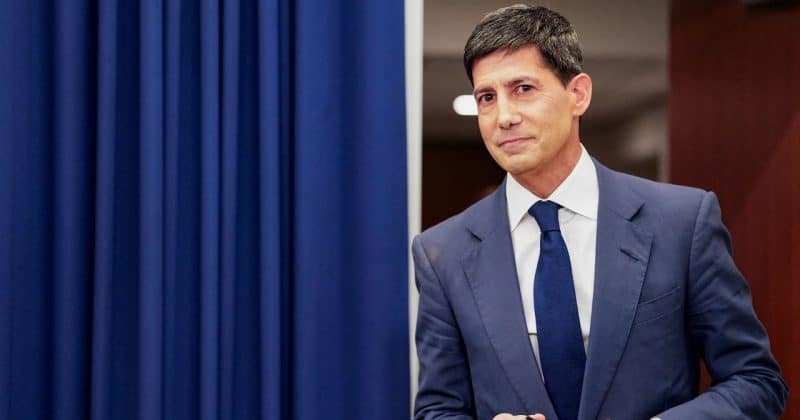
Federal Reserve chairman Kevin Warsh signals intolerance for high inflation
The new Fed chair held rates steady at his first meeting but made clear that price stability is his defining mission
Kevin Warsh has been running the Federal Reserve for less than a month, and he’s already drawn a line in the sand. At his first press conference following the June 17 FOMC meeting, Warsh delivered a phrase that’s likely to define the early months of his tenure: “Inflation is a choice.”
Holding steady, but not standing still
The FOMC voted to keep the federal funds rate at 3.5% to 3.75% at the June 16-17 meeting, Warsh’s first as chair. Inflation sits at approximately 3.8%, nearly double the Fed’s stated 2% target. Warsh made it clear that the gap between those two numbers is unacceptable. He emphasized the Fed’s commitment to what he called a “unanimous and unambiguous” 2% inflation target.
Warsh also announced the creation of five task forces to review critical areas of Fed operations, including inflation frameworks and communications strategies.
Projections from within the Fed hinted at possible rate increases ahead. Warsh reportedly favors tracking trimmed mean inflation measures rather than headline figures, a methodological shift that strips out the most volatile price swings and focuses on underlying trends.
A new sheriff at the Fed
Warsh was confirmed by the Senate with a 51-45 vote and sworn in on May 22, succeeding Jerome Powell. He previously served as a Fed governor during the 2008 financial crisis, giving him firsthand experience navigating economic turmoil.
Macro, rates, and crypto—what moved markets and what matters next.
Daily. Free. Join 34,000+ readers across crypto, finance, and policy.
What this means for crypto and risk assets
Markets reacted to Warsh’s first meeting with both Bitcoin and stock prices declining following the announcement, reflecting investor uncertainty about the policy trajectory under new leadership.
Warsh’s press conference contained no references to specific crypto tokens or digital assets, suggesting the new Fed chair is focused squarely on traditional macroeconomic levers. Crypto markets will largely be affected by the downstream consequences of rate decisions rather than any direct regulatory signals from the Fed itself.
The spread between 3.8% actual inflation and the 2% target gives Warsh ample justification to act, and his public rhetoric suggests he is prepared to do exactly that.