
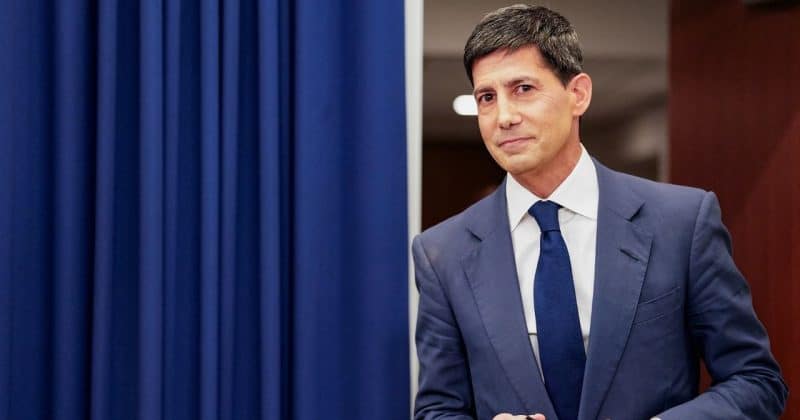
Federal Reserve Chair Warsh: labor markets steady, prices too high

Federal Reserve Chair Warsh: labor markets steady, prices too high

The new Fed chair held rates at 3.5-3.75% while inflation sits at more than double the central bank's target, raising questions about what comes next for risk assets.

Kevin Warsh just finished his first FOMC press conference as Federal Reserve Chair, and his message was blunt: jobs are fine, supply chains are cooperating, but prices remain stubbornly, painfully elevated. The committee voted unanimously on June 17, 2026, to hold interest rates steady at 3.5% to 3.75%.

Inflation that won’t quit

The Personal Consumption Expenditures index, the Fed’s preferred inflation gauge, hit 3.8% in April 2026. By May, it had climbed to 4.1%. Warsh attributed the increases to tariffs and geopolitical stress, including ongoing conflict in the Middle East.

The FOMC’s own projections for year-end 2026 forecast overall inflation at 3.6% and core PCE at 3.3%. The committee expects unemployment to hold at 4.3%.

Advertisement

A new chair, same old dilemma

Warsh took office on May 22, 2026, succeeding Jerome Powell for a term that runs through May 2030. His appointment drew attention partly because of his previous stint as a Fed governor during the 2008 financial crisis, where he was seen as a hawk skeptical of extensive quantitative easing.

His first meeting as chair didn’t reveal any dramatic philosophical departure. The unanimous hold on rates suggests the committee is aligned on a wait-and-see approach. Warsh acknowledged the Fed’s limited ability to control specific prices, particularly those driven by external shocks like tariffs, while reiterating the commitment to broader price stability.

He reinforced that message on July 1 at the ECB Forum in Sintra, Portugal, where he spoke alongside other central bankers, with no rate changes signaled as imminent.

What this means for crypto and risk assets

Persistent inflation above 4% historically drives interest in hard assets and alternative stores of value. Bitcoin’s original narrative as “digital gold” tends to resurface when fiat currencies lose purchasing power year after year. Warsh himself called inflation a “burden for the American people,” and the Fed has now missed its 2% target to the upside for more than five years.

Steady rates at 3.5-3.75% mean risk-free yields on Treasury bonds and money market funds remain attractive, creating genuine competition for capital that might otherwise flow into speculative assets.

Traders should watch two numbers closely in the coming months. First, the monthly PCE readings: if inflation continues climbing past 4.1%, pressure to hike rates will build. Second, the 4.3% unemployment rate: any meaningful deterioration there could force the Fed into cuts regardless of where inflation sits.

Disclosure: This article was edited by Editorial Team. For more information on how we create and review content, see our Editorial Policy.

Federal Reserve Chair Warsh: labor markets steady, prices too high

Federal Reserve Chair Warsh: labor markets steady, prices too high

The new Fed chair held rates at 3.5-3.75% while inflation sits at more than double the central bank's target, raising questions about what comes next for risk assets.

Kevin Warsh just finished his first FOMC press conference as Federal Reserve Chair, and his message was blunt: jobs are fine, supply chains are cooperating, but prices remain stubbornly, painfully elevated. The committee voted unanimously on June 17, 2026, to hold interest rates steady at 3.5% to 3.75%.

Inflation that won’t quit

The Personal Consumption Expenditures index, the Fed’s preferred inflation gauge, hit 3.8% in April 2026. By May, it had climbed to 4.1%. Warsh attributed the increases to tariffs and geopolitical stress, including ongoing conflict in the Middle East.

The FOMC’s own projections for year-end 2026 forecast overall inflation at 3.6% and core PCE at 3.3%. The committee expects unemployment to hold at 4.3%.

Advertisement

A new chair, same old dilemma

Warsh took office on May 22, 2026, succeeding Jerome Powell for a term that runs through May 2030. His appointment drew attention partly because of his previous stint as a Fed governor during the 2008 financial crisis, where he was seen as a hawk skeptical of extensive quantitative easing.

His first meeting as chair didn’t reveal any dramatic philosophical departure. The unanimous hold on rates suggests the committee is aligned on a wait-and-see approach. Warsh acknowledged the Fed’s limited ability to control specific prices, particularly those driven by external shocks like tariffs, while reiterating the commitment to broader price stability.

He reinforced that message on July 1 at the ECB Forum in Sintra, Portugal, where he spoke alongside other central bankers, with no rate changes signaled as imminent.

What this means for crypto and risk assets

Persistent inflation above 4% historically drives interest in hard assets and alternative stores of value. Bitcoin’s original narrative as “digital gold” tends to resurface when fiat currencies lose purchasing power year after year. Warsh himself called inflation a “burden for the American people,” and the Fed has now missed its 2% target to the upside for more than five years.

Steady rates at 3.5-3.75% mean risk-free yields on Treasury bonds and money market funds remain attractive, creating genuine competition for capital that might otherwise flow into speculative assets.

Traders should watch two numbers closely in the coming months. First, the monthly PCE readings: if inflation continues climbing past 4.1%, pressure to hike rates will build. Second, the 4.3% unemployment rate: any meaningful deterioration there could force the Fed into cuts regardless of where inflation sits.

Disclosure: This article was edited by Editorial Team. For more information on how we create and review content, see our Editorial Policy.