
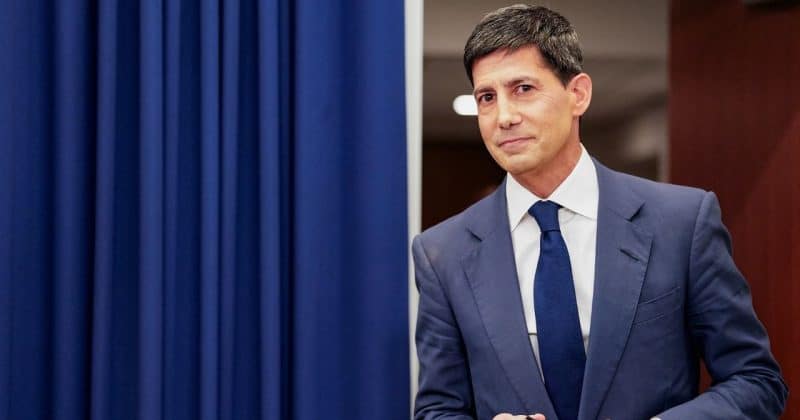
Federal Reserve chairman Kevin Warsh overhauls communication practices and launches task forces at first meeting
The new Fed chair kept rates steady but stripped forward guidance from the policy statement, signaling a fundamentally different approach to central bank communication.
Kevin Warsh’s first act as Fed chairman was to rip up the playbook. At his debut FOMC meeting on June 17, 2026, the 17th chair of the Federal Reserve held rates steady at 3.5% to 3.75%, announced five new internal task forces, and delivered a policy statement so short it practically fit on an index card.
A shorter statement, a louder message
Previous Fed chairs spent years carefully seeding their policy statements with hints about future rate moves. Warsh declined to give any rate outlook at all, producing a significantly shortened statement that omitted the forward guidance investors had come to treat as gospel.
The five task forces he announced are designed to reevaluate key areas of Fed operations, including the central bank’s communication strategies and its frameworks for addressing productivity, job creation, and inflation.
Warsh, who was sworn in as Fed Chair on May 22, 2026, succeeding Jerome Powell, has made clear where he stands on at least one thing. “Inflation is a choice,” he stated, while reaffirming the Fed’s commitment to a 2% inflation target.
Macro, rates, and crypto—what moved markets and what matters next.
Daily. Free. Join 34,000+ readers across crypto, finance, and policy.
The hawkish split markets didn’t want to see
Committee members split 9-9 on the question of possible rate hikes, a dead-even division that reveals genuine disagreement within the Fed about where monetary policy needs to go.
Major US stock indexes fell following the meeting. Crypto assets slipped too, with Bitcoin and other major digital currencies experiencing declines as the hawkish undertone settled in.
What this means for crypto investors
The maintained interest rates combined with the hawkish projections suggest the Fed is keeping the door open to rate increases later in 2026. The 9-9 split on the committee is worth watching closely. A single FOMC member shifting their view could tip the balance toward an actual rate hike at a future meeting. Without forward guidance to soften the blow, any such move would hit markets with less advance warning than investors have grown used to over the past decade-plus.