
New Fed Chair Warsh signals regime change with single-proposal FOMC meeting

New Fed Chair Warsh signals regime change with single-proposal FOMC meeting

Kevin Warsh's first FOMC meeting featured one proposal, no debate, and a clear message: the old playbook is gone

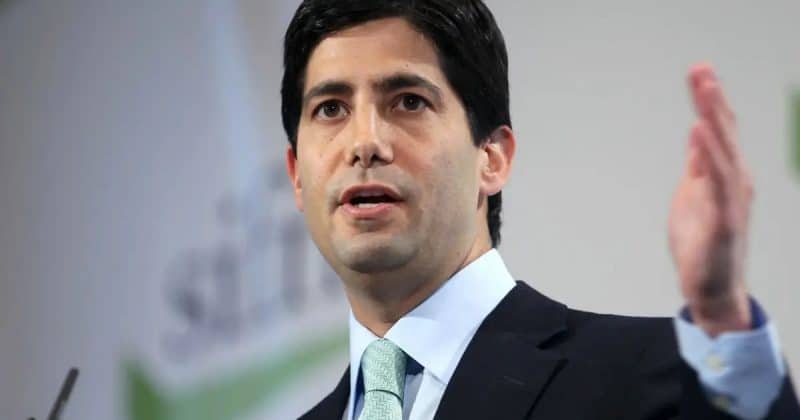
Kevin Warsh’s first FOMC meeting as Federal Reserve Chair went about as dramatically understated as you’d expect from a guy who thinks the Fed talks too much. One proposal on the table, minimal discussion, no debate on alternatives. The committee voted unanimously to hold interest rates steady.

What actually happened at the June meeting

Warsh, who was sworn in as Fed Chair on May 22, 2026, following his nomination by President Trump, presided over the June 2026 FOMC meeting with a noticeably different energy. The committee maintained its current interest rate stance, citing ongoing inflation concerns. But the process was the real story.

Only one proposal was presented to the committee. There was little discussion around it and zero debate on alternative paths.

Warsh previously served as a Fed governor from 2006 to 2011, so he knows exactly how the sausage gets made. He’s choosing to make less of it.

Advertisement

The broader agenda: balance sheet, inflation metrics, and no CBDC

First, the balance sheet. The Fed is currently sitting on an estimated $6.7 to $7 trillion in assets. Warsh’s plan involves winding that down with a focus on holding only short-term Treasuries.

Second, inflation measurement. Warsh has openly criticized current methods like core PCE (Personal Consumption Expenditures), the metric the Fed has traditionally favored. He wants to refine inflation targeting to account for structural forces like artificial intelligence and productivity gains.

Third, Warsh has explicitly ruled out the pursuit of a central bank digital currency. No CBDC under his watch.

He’s also signaled a desire to limit forward guidance and potentially scrap the dot plot, the quarterly chart where Fed officials project future interest rates.

What this means for investors

The balance sheet reduction plan deserves close attention from anyone in fixed income or crypto. When the Fed shrinks its holdings and concentrates on short-term Treasuries, it changes the supply dynamics across the yield curve. That can push long-term yields higher, tighten financial conditions, and put pressure on risk assets, including Bitcoin and other digital assets that have increasingly correlated with broader liquidity conditions.

The no-CBDC stance removes the specter of a government-issued digital dollar that could have competed directly with stablecoins and private digital payment networks.

Investors should monitor yield spreads on short-term versus long-term Treasuries as the balance sheet strategy takes shape. Any widening of the term premium would be an early signal that Warsh’s approach is tightening conditions beyond what rate policy alone would suggest.

Disclosure: This article was edited by Editorial Team. For more information on how we create and review content, see our Editorial Policy.

New Fed Chair Warsh signals regime change with single-proposal FOMC meeting

New Fed Chair Warsh signals regime change with single-proposal FOMC meeting

Kevin Warsh's first FOMC meeting featured one proposal, no debate, and a clear message: the old playbook is gone

Kevin Warsh’s first FOMC meeting as Federal Reserve Chair went about as dramatically understated as you’d expect from a guy who thinks the Fed talks too much. One proposal on the table, minimal discussion, no debate on alternatives. The committee voted unanimously to hold interest rates steady.

What actually happened at the June meeting

Warsh, who was sworn in as Fed Chair on May 22, 2026, following his nomination by President Trump, presided over the June 2026 FOMC meeting with a noticeably different energy. The committee maintained its current interest rate stance, citing ongoing inflation concerns. But the process was the real story.

Only one proposal was presented to the committee. There was little discussion around it and zero debate on alternative paths.

Warsh previously served as a Fed governor from 2006 to 2011, so he knows exactly how the sausage gets made. He’s choosing to make less of it.

Advertisement

The broader agenda: balance sheet, inflation metrics, and no CBDC

First, the balance sheet. The Fed is currently sitting on an estimated $6.7 to $7 trillion in assets. Warsh’s plan involves winding that down with a focus on holding only short-term Treasuries.

Second, inflation measurement. Warsh has openly criticized current methods like core PCE (Personal Consumption Expenditures), the metric the Fed has traditionally favored. He wants to refine inflation targeting to account for structural forces like artificial intelligence and productivity gains.

Third, Warsh has explicitly ruled out the pursuit of a central bank digital currency. No CBDC under his watch.

He’s also signaled a desire to limit forward guidance and potentially scrap the dot plot, the quarterly chart where Fed officials project future interest rates.

What this means for investors

The balance sheet reduction plan deserves close attention from anyone in fixed income or crypto. When the Fed shrinks its holdings and concentrates on short-term Treasuries, it changes the supply dynamics across the yield curve. That can push long-term yields higher, tighten financial conditions, and put pressure on risk assets, including Bitcoin and other digital assets that have increasingly correlated with broader liquidity conditions.

The no-CBDC stance removes the specter of a government-issued digital dollar that could have competed directly with stablecoins and private digital payment networks.

Investors should monitor yield spreads on short-term versus long-term Treasuries as the balance sheet strategy takes shape. Any widening of the term premium would be an early signal that Warsh’s approach is tightening conditions beyond what rate policy alone would suggest.

Disclosure: This article was edited by Editorial Team. For more information on how we create and review content, see our Editorial Policy.