
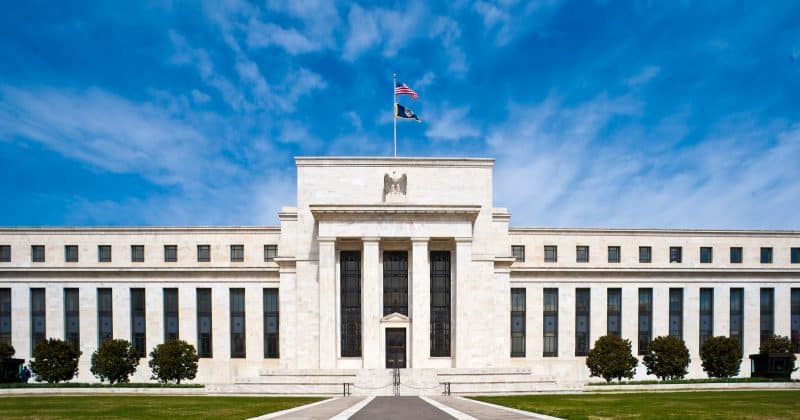
Fed faces divisions on inflation path amid 4% inflation rate

https://en.wikipedia.org/wiki/Eccles_Building

Fed faces divisions on inflation path amid 4% inflation rate

Fed decisions from July to October

Federal Reserve Chair Kevin Warsh is reportedly encountering significant divisions among policymakers regarding the future trajectory of inflation. Meeting minutes suggest that while some Federal Reserve members foresee inflation moderating due to declining gas prices and diminishing tariff impacts, others remain concerned about persistent inflationary pressures. The varied perspectives within the Federal Open Market Committee (FOMC) emerge amidst an environment where the U.S. recently experienced a 4.2% year-over-year inflation rate, driven largely by rising gasoline prices linked to geopolitical tensions.

Markets are reacting to these reports with mixed indications about future interest rate decisions. The current pricing in prediction markets reflects uncertainty, with some participants interpreting the divided opinions as potentially supportive of a more dovish approach. This is evident in fluctuations in the pricing of scenarios regarding potential rate cuts in upcoming Federal Reserve meetings.

Advertisement

As of now, the odds of the Federal Reserve opting for a Cut–Pause–Cut strategy in its next three decisions (July to October) remain largely uncertain. Pricing in related markets suggests a 50% probability that the Fed’s decisions in this period will differ from the current trajectory, indicating significant investor interest in the potential for policy shifts.

Key Takeaways

  • The reported divisions among FOMC members appear to create uncertainty about the Fed’s future policy direction.
  • Market pricing suggests a potential increase in the odds of a rate cut, reflecting some participants’ views of possible dovishness.
  • The high inflation rates driven by external factors may continue to influence Fed decision-making and market expectations.

What to Watch

The upcoming FOMC meetings in July, September, and October will be crucial for determining the Fed’s policy path. Watch for inflation data, particularly any reduction in core inflation rates, as well as any statements from Chair Warsh or other Fed officials that might indicate a shift towards rate cuts. Additionally, global economic factors, such as changes in energy prices or geopolitical developments, could further impact the Fed’s decisions and market expectations.

Get prediction market intelligence as a structured API feed. Early access waitlist.

Disclosure: This article was edited by Estefano Gomez. For more information on how we create and review content, see our Editorial Policy.

Fed faces divisions on inflation path amid 4% inflation rate

Fed faces divisions on inflation path amid 4% inflation rate

Fed decisions from July to October

https://en.wikipedia.org/wiki/Eccles_Building

Federal Reserve Chair Kevin Warsh is reportedly encountering significant divisions among policymakers regarding the future trajectory of inflation. Meeting minutes suggest that while some Federal Reserve members foresee inflation moderating due to declining gas prices and diminishing tariff impacts, others remain concerned about persistent inflationary pressures. The varied perspectives within the Federal Open Market Committee (FOMC) emerge amidst an environment where the U.S. recently experienced a 4.2% year-over-year inflation rate, driven largely by rising gasoline prices linked to geopolitical tensions.

Markets are reacting to these reports with mixed indications about future interest rate decisions. The current pricing in prediction markets reflects uncertainty, with some participants interpreting the divided opinions as potentially supportive of a more dovish approach. This is evident in fluctuations in the pricing of scenarios regarding potential rate cuts in upcoming Federal Reserve meetings.

Advertisement

As of now, the odds of the Federal Reserve opting for a Cut–Pause–Cut strategy in its next three decisions (July to October) remain largely uncertain. Pricing in related markets suggests a 50% probability that the Fed’s decisions in this period will differ from the current trajectory, indicating significant investor interest in the potential for policy shifts.

Key Takeaways

  • The reported divisions among FOMC members appear to create uncertainty about the Fed’s future policy direction.
  • Market pricing suggests a potential increase in the odds of a rate cut, reflecting some participants’ views of possible dovishness.
  • The high inflation rates driven by external factors may continue to influence Fed decision-making and market expectations.

What to Watch

The upcoming FOMC meetings in July, September, and October will be crucial for determining the Fed’s policy path. Watch for inflation data, particularly any reduction in core inflation rates, as well as any statements from Chair Warsh or other Fed officials that might indicate a shift towards rate cuts. Additionally, global economic factors, such as changes in energy prices or geopolitical developments, could further impact the Fed’s decisions and market expectations.

Get prediction market intelligence as a structured API feed. Early access waitlist.

Disclosure: This article was edited by Estefano Gomez. For more information on how we create and review content, see our Editorial Policy.