
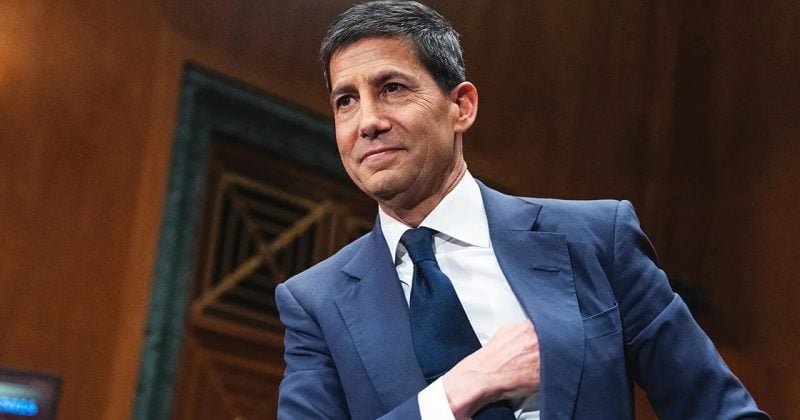
Federal Reserve holds first meeting under Chairman Kevin Warsh, and crypto is watching closely
The new Fed chair's personal crypto holdings and views on digital assets could reshape the central bank's relationship with the industry
Kevin Warsh sat at the head of the table for the first time on June 17, 2026, presiding over his inaugural Federal Open Market Committee meeting as chairman of the Federal Reserve.
Warsh, who was sworn in on May 22, 2026, succeeds Jerome Powell in what amounts to one of the most consequential leadership transitions the Fed has undergone in years. The backdrop: persistent inflation at multi-year highs, expectations that interest rates will stay put, and a new chairman whose financial disclosures reveal indirect holdings in over 20 cryptocurrency-related projects plus a personal stake in a Bitcoin ETF.
A Fed chair with skin in the crypto game
Warsh’s financial disclosures paint the picture of someone who doesn’t view crypto as a fringe curiosity, but as a legitimate component of the modern financial system. Holdings in more than 20 crypto entities and a direct Bitcoin ETF position suggest he’s been paying attention to the space not just as a policymaker, but as an investor.
His predecessors kept crypto at arm’s length. Powell spent years warning about stablecoin risks and the speculative nature of digital assets. Janet Yellen before him was similarly skeptical, frequently flagging crypto’s use in illicit finance.
Macro, rates, and crypto—what moved markets and what matters next.
Daily. Free. Join 34,000+ readers across crypto, finance, and policy.
Rates staying steady, and what that means for crypto
Inflation remains stubbornly elevated at multi-year highs. In that environment, cutting rates would be like throwing gasoline on a fire. Raising them further would risk tipping an already fragile economy into contraction. So the Fed sits.
Warsh’s policy philosophy and why it matters
Beyond rates, Warsh has signaled a few priorities that could reshape how the Fed operates. He has advocated for reduced Fed transparency, a notable departure from the Powell era’s emphasis on forward guidance and market communication.
Warsh has also expressed interest in balance-sheet reduction. The Fed’s balance sheet ballooned during the pandemic-era quantitative easing programs, and while Powell began the process of unwinding it, Warsh may push for a more aggressive drawdown.