
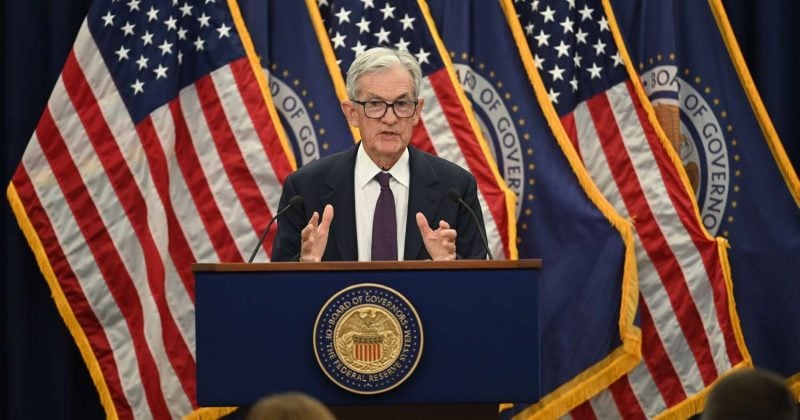
Fed holds rates steady at 3.5%-3.75% as June discount rate minutes reveal divided outlook
The 10-2 FOMC vote and hints of a potential rate hike before cuts keep crypto traders guessing about liquidity conditions ahead
The Federal Reserve Board of Governors released minutes from its discount rate meetings on June 8 and June 17, 2026, confirming what markets had largely anticipated: the central bank is holding firm on rates while quietly debating what comes next. The federal funds rate stays parked at 3.5%-3.75%, but the 10-2 vote split tells a more interesting story than the headline number.
What the minutes actually say
The discount rate meetings, which set the rate at which the Fed lends directly to depository institutions, are a less glamorous cousin of the main FOMC rate decision. The discount rate moves in lockstep with broader monetary policy, so the minutes serve as a secondary lens into the Fed’s collective thinking.
The June Economic Projections revealed a narrow tilt among officials toward one potential rate hike in 2026 before a pivot to cuts.
Chair Kevin Warsh notably did not submit a personal projection, which is itself a data point.
The minutes contained no references to cryptocurrencies, digital assets, or stablecoins.
The news moving money, markets, and the world—before your day starts.
Daily. Free. Join 34,000+ readers across crypto, finance, and policy.
Why crypto markets should care about a 10-2 vote
When the Fed holds rates steady, it maintains the current cost of borrowing across the entire financial system. A rate of 3.5%-3.75% is historically moderate. It’s well below the peaks seen in previous tightening cycles, but high enough to keep pressure on leveraged positions.
The two dissenting votes add a layer of complexity. If those dissenters wanted higher rates, it implies some officials see inflation risks that the majority is choosing to tolerate. If they wanted lower rates, it suggests concern about economic growth slowing faster than expected.
The bigger picture for digital asset investors
Prior discount rate meeting minutes from April 2026 are publicly accessible on the Federal Reserve’s website.
The projection of a possible hike before cuts is particularly worth watching. If the Fed does raise rates once more in 2026, even by 25 basis points, it would tighten liquidity conditions. Conversely, if the economic data deteriorates quickly enough that the Fed skips the hike entirely and moves straight to cuts, the cost of capital would drop accordingly.
The real alpha is in tracking how the dissent evolves meeting by meeting, because a 10-2 split that becomes 9-3 or 8-4 would be a meaningful shift in the Fed’s center of gravity, with direct implications for risk asset positioning across both traditional and digital markets.