
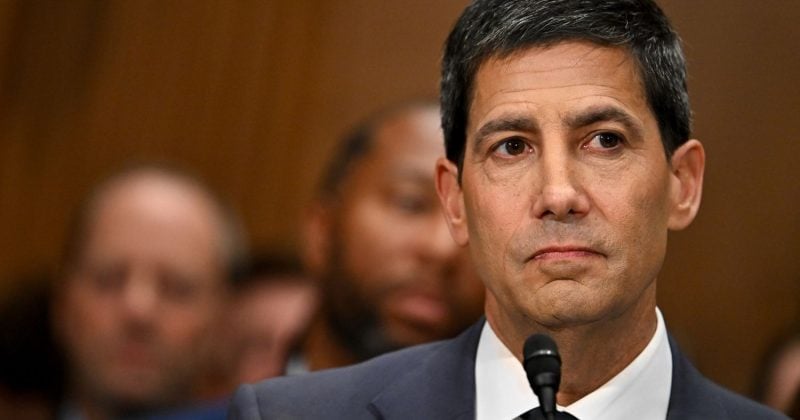
Federal Reserve holds rates steady at Kevin Warsh’s first meeting as chair
The Fed kept its benchmark rate at 3.5%-3.75% for the fourth straight meeting while quietly dropping language that hinted at future cuts
Kevin Warsh’s first policy meeting as Federal Reserve Chair ended exactly how markets expected: no change. The Fed held its benchmark interest rate at the 3.5%-3.75% target range on June 17, marking the fourth consecutive meeting with no adjustment.
But what the Fed didn’t say matters more than what it did. The post-meeting statement removed prior language suggesting a bias toward future rate cuts, a subtle but significant shift that has traders recalibrating their bets for the rest of 2026.
The inflation problem that won’t go away
The consumer price index has climbed to 4.2%, its highest level since 2023. Rising energy prices are the primary culprit, and they’re making the Fed’s job considerably harder.
Warsh, who was sworn in on May 22, is signaling that he wants more data before committing to a direction.
Warsh’s background is worth noting here. He served as a Fed governor from 2006 to 2011, navigating the institution through the global financial crisis. He’s also been a vocal critic of some of the Fed’s more dovish tendencies in recent years, which makes his first statement as chair all the more telling.
Macro, rates, and crypto—what moved markets and what matters next.
Daily. Free. Join 34,000+ readers across crypto, finance, and policy.
What the language change actually means
Removing the bias toward future rate cuts is the monetary policy equivalent of taking “interested in rate cuts” off your dating profile. The Fed isn’t saying it will raise rates. It’s saying it’s no longer leaning toward lowering them.
Market sentiment has already started adjusting. Traders are now pricing in a higher likelihood of a rate hike later in 2026, a stark reversal from earlier expectations that the Fed would continue easing.
What this means for crypto and risk assets
Interest rate policy is the single most important macro variable for risk assets, and crypto remains firmly in the risk asset category. When borrowing costs rise or threaten to rise, capital flows toward safer havens. When rates fall, risk appetite increases and speculative assets benefit.
Inflation at 4.2% means the Fed has no incentive to cut rates. The removal of dovish language means the next move could be a hike. And a rate hike in 2026 would be the first increase since the Fed’s tightening cycle ended.
Higher rate expectations tend to strengthen the US dollar, which historically creates headwinds for Bitcoin and other crypto assets priced in dollars. Higher rate expectations also push bond yields up, which makes fixed-income instruments more competitive against zero-yield assets like Bitcoin.