
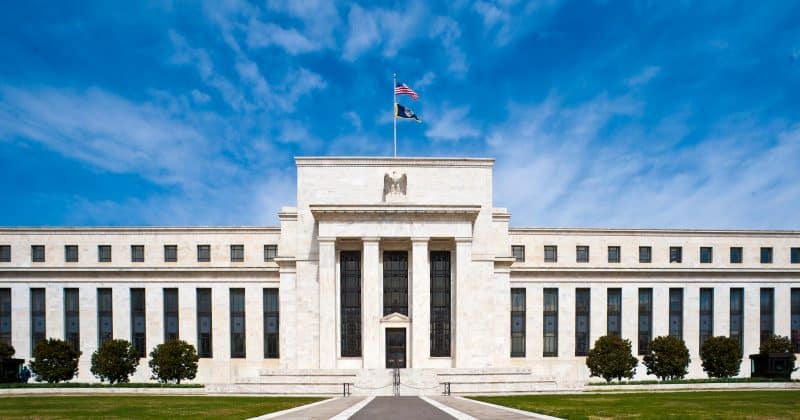
US Federal Reserve sees faster inflation in latest gauge update

US Federal Reserve sees faster inflation in latest gauge update

The Fed's preferred inflation measure accelerated to 3.8% in April, reinforcing expectations for a prolonged period of elevated interest rates

The Federal Reserve’s favorite inflation thermometer just delivered a reading nobody wanted to see. The Personal Consumption Expenditures price index, better known as PCE, rose 3.8% year-over-year in April 2026, marking its largest increase since May 2023.

Core PCE, which strips out the volatile food and energy categories to give a cleaner picture of underlying price trends, climbed 3.3% on a yearly basis. That’s the highest reading since November 2023, and it sits uncomfortably far from the Fed’s 2% target.

The numbers in context

The Bureau of Economic Analysis released the data on May 28, 2026. On a month-over-month basis, headline PCE increased 0.4% while core PCE rose 0.2%.

These numbers largely matched what markets were expecting. The lack of a nasty surprise means the data is unlikely to trigger an immediate shift in Federal Reserve policy.

Advertisement

Core PCE at 3.3% means prices are rising at roughly 65% faster than the central bank considers healthy.

Broader inflationary pressures have been fueled by supply shocks, particularly in the energy sector, even as consumer spending has shown resilience.

What the Fed is signaling under Warsh

Under Fed Chair Kevin Warsh, the central bank’s posture has been one of patient hawkishness. The June 2026 Federal Open Market Committee meeting produced updated projections that told a clear story: policymakers now expect inflation to remain elevated for longer than previously anticipated.

Those revised forecasts led officials to adjust their year-end rate projections upward. The Fed appears prepared to maintain a tighter monetary stance well into 2027 and 2028 as it navigates through persistent price pressures.

The next PCE release is scheduled for June 25, 2026, covering May’s data.

What this means for investors and crypto

Sustained elevated policy rates tend to compress equity valuations, particularly in growth and technology sectors where future cash flows get discounted at higher rates. Interest-sensitive sectors, think real estate, utilities, and anything reliant on cheap borrowing, face continued headwinds.

The PCE release contained no direct references to cryptocurrency markets. That said, persistent inflation has historically driven interest in assets perceived as hedges against currency debasement. Bitcoin’s fixed supply narrative gains traction in environments where fiat purchasing power erodes. Higher rates simultaneously make yield-bearing traditional assets more attractive relative to non-yielding digital ones.

Disclosure: This article was edited by Editorial Team. For more information on how we create and review content, see our Editorial Policy.

US Federal Reserve sees faster inflation in latest gauge update

US Federal Reserve sees faster inflation in latest gauge update

The Fed's preferred inflation measure accelerated to 3.8% in April, reinforcing expectations for a prolonged period of elevated interest rates

The Federal Reserve’s favorite inflation thermometer just delivered a reading nobody wanted to see. The Personal Consumption Expenditures price index, better known as PCE, rose 3.8% year-over-year in April 2026, marking its largest increase since May 2023.

Core PCE, which strips out the volatile food and energy categories to give a cleaner picture of underlying price trends, climbed 3.3% on a yearly basis. That’s the highest reading since November 2023, and it sits uncomfortably far from the Fed’s 2% target.

The numbers in context

The Bureau of Economic Analysis released the data on May 28, 2026. On a month-over-month basis, headline PCE increased 0.4% while core PCE rose 0.2%.

These numbers largely matched what markets were expecting. The lack of a nasty surprise means the data is unlikely to trigger an immediate shift in Federal Reserve policy.

Advertisement

Core PCE at 3.3% means prices are rising at roughly 65% faster than the central bank considers healthy.

Broader inflationary pressures have been fueled by supply shocks, particularly in the energy sector, even as consumer spending has shown resilience.

What the Fed is signaling under Warsh

Under Fed Chair Kevin Warsh, the central bank’s posture has been one of patient hawkishness. The June 2026 Federal Open Market Committee meeting produced updated projections that told a clear story: policymakers now expect inflation to remain elevated for longer than previously anticipated.

Those revised forecasts led officials to adjust their year-end rate projections upward. The Fed appears prepared to maintain a tighter monetary stance well into 2027 and 2028 as it navigates through persistent price pressures.

The next PCE release is scheduled for June 25, 2026, covering May’s data.

What this means for investors and crypto

Sustained elevated policy rates tend to compress equity valuations, particularly in growth and technology sectors where future cash flows get discounted at higher rates. Interest-sensitive sectors, think real estate, utilities, and anything reliant on cheap borrowing, face continued headwinds.

The PCE release contained no direct references to cryptocurrency markets. That said, persistent inflation has historically driven interest in assets perceived as hedges against currency debasement. Bitcoin’s fixed supply narrative gains traction in environments where fiat purchasing power erodes. Higher rates simultaneously make yield-bearing traditional assets more attractive relative to non-yielding digital ones.

Disclosure: This article was edited by Editorial Team. For more information on how we create and review content, see our Editorial Policy.