
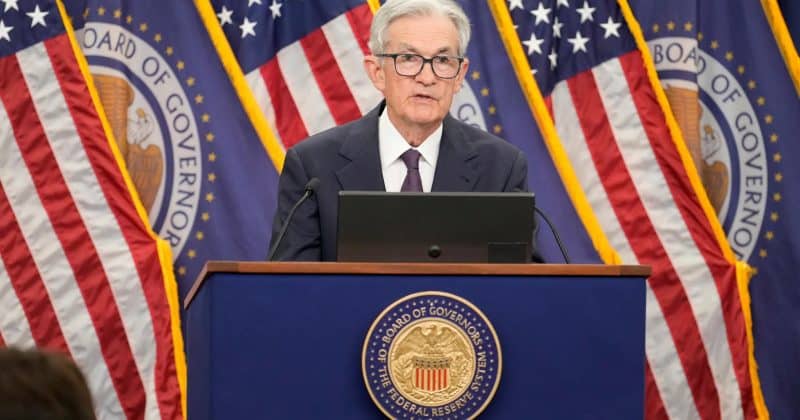
Federal Reserve confirms large banks can weather severe recession after 2026 stress test
All 32 major banks maintained capital above minimum requirements even under a scenario modeling 10% unemployment and a 4.6% GDP decline.
The Federal Reserve’s 2026 annual stress test delivered a clean bill of health for the nation’s largest banks. All 32 institutions tested proved they could absorb severe economic punishment and keep lending through a hypothetical recession.
The results, released on June 24 at 4 p.m. ET, confirm that aggregate capital levels stayed above regulatory minimums even after projected losses from a global downturn scenario.
What the stress test actually modeled
The “severely adverse scenario” modeled a 4.6% decline in real GDP, a peak unemployment rate of 10%, and significant drops in both housing and commercial real estate prices.
Despite all of that simulated carnage, the 32 banks tested maintained enough capital to keep functioning. They could continue making loans, honoring obligations, and absorbing losses without triggering a systemic crisis.
This year’s test expanded its scope from the prior cycle. Last year, 22 large US banks were evaluated and similarly found capable of enduring a severe downturn. The jump to 32 institutions means the Fed cast a wider net, pulling in more of the banking sector for scrutiny.
Macro, rates, and crypto—what moved markets and what matters next.
Daily. Free. Join 34,000+ readers across crypto, finance, and policy.
Capital requirements frozen until 2027
The Fed confirmed it will not modify existing capital requirements based on these findings. The stress capital buffer, which is the extra cushion banks must hold above baseline requirements, stays frozen until 2027.
Why crypto investors should pay attention
When Silicon Valley Bank and Signature Bank collapsed in 2023, crypto markets learned a painful lesson about banking counterparty risk. Stablecoin depegging events, frozen on-ramps, and disrupted fiat settlement all traced back to bank failures.
The frozen capital buffers also remove one source of unpredictability. If the Fed had raised capital requirements, banks might have pulled back from capital-intensive activities. Keeping requirements steady through 2027 gives banks room to continue building out crypto-related infrastructure without a sudden tightening of their capital position.
Stress tests model historical patterns and conventional asset classes. The 2026 scenario’s focus on GDP contraction, unemployment, and real estate does not specifically stress-test for crypto contagion scenarios, like a major stablecoin collapse or a cascade of DeFi liquidations spilling into traditional finance.