
Fed’s Waller says hot inflation print could trigger rate hike debate
The Fed governor's shift from inflation hawk to cautious optimist could reshape rate cut expectations and risk asset sentiment for the rest of 2026.


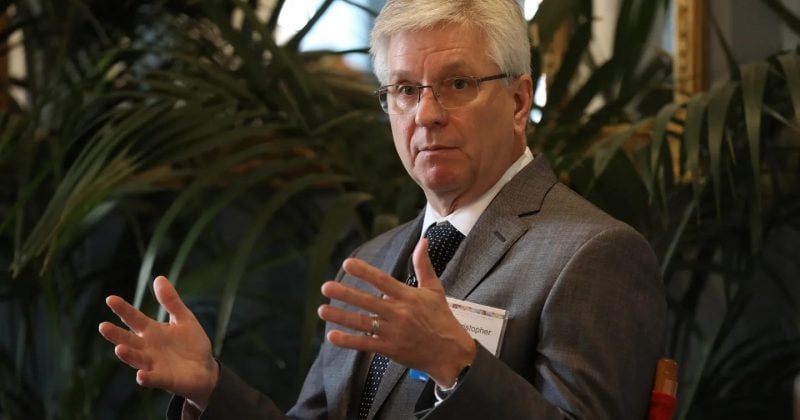
Federal Reserve Governor Christopher Waller said another hot core inflation reading could force policymakers to consider tightening monetary policy in the near term, warning that inflation has reached a crossroads despite a stable labor market.
“If we get another hot reading on core inflation this week, then the FOMC will need to consider tightening monetary policy in the near term,” Waller said in a speech before the New York Association for Business Economics.
Waller said core personal consumption expenditures inflation rose from 3% in December to 3.4% in May, while headline PCE inflation reached 4.1%.
The increases have moved inflation further above the Fed’s 2% target even after excluding the direct impact of higher consumer energy prices.
The Bureau of Labor Statistics will release June consumer price data on Tuesday, July 14, followed by producer price data on Wednesday, July 15.
Waller said he would be pleased to see core inflation slow, but added that several months of lower readings would be needed before he could conclude that price pressures were moving in the right direction. In that scenario, he said he would support keeping interest rates at their current level.
The Fed governor identified tariffs, energy prices, and demand linked to the artificial intelligence buildout as the three main forces pushing inflation higher.
Waller said the direct inflationary effect of the 2025 tariffs was relatively modest and largely complete. However, additional trade measures or efforts by importers to recover costs absorbed last year could create renewed pressure.
Macro, rates, and crypto—what moved markets and what matters next.
Daily. Free. Join 34,000+ readers across crypto, finance, and policy.
He also said the recent decline in oil prices should reduce headline inflation in the coming months, although earlier increases could still feed into the prices of other goods and services.
Demand from the AI investment boom represents another possible source of inflation. Waller pointed to rising prices for semiconductors, computer chips, servers, memory, and storage components as companies expand their computing infrastructure.
Despite the inflation concerns, Waller described the broader economy as solid. Consumer spending has remained resilient, business investment linked to AI continues to grow, and the labor market appears close to its maximum sustainable employment level.
US employers added an average of 111,000 jobs per month over the three months through June, according to figures cited by Waller. He said the pace remains strong when compared with slower labor supply growth.
Waller also noted that the labor market is less tight than it was when the Fed began raising rates in 2022. The ratio of job openings to unemployed workers is now close to one to one, compared with two openings for every unemployed worker at the start of the previous tightening cycle.
Inflation expectations also remain anchored. Waller said market measures imply inflation of about 2.1% over the next two years and 2.3% over five years.
Those conditions could allow the Fed to respond more gradually than it did in 2022, but Waller warned that anchored expectations do not give policymakers room to ignore inflation that remains above target.
“The appropriate action will depend on incoming data,” he said.