
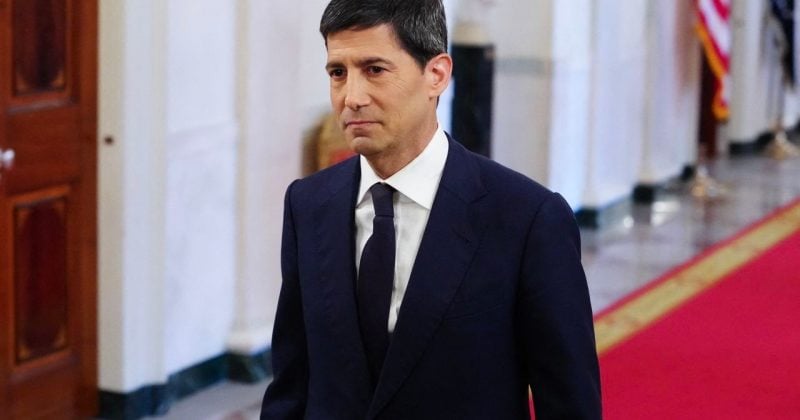
Federal Reserve chair Kevin Warsh unveils five task forces to overhaul US monetary policy

Federal Reserve chair Kevin Warsh unveils five task forces to overhaul US monetary policy

High-profile panels drawing on academics, former central bankers, and a venture capital titan will review everything from the Fed's balance sheet to how AI is reshaping the workforce.

The Federal Reserve is getting an external audit of its own ideas. Chair Kevin Warsh on July 9 announced the full rosters for five independent task forces, each charged with reviewing a core pillar of how America’s central bank operates and communicates.

What the task forces will actually do

Each of the five groups targets a distinct area: communications strategy, balance sheet policy, data quality, the impact of artificial intelligence on productivity and jobs, and the framework the Fed uses to think about inflation.

Balance sheet policy alone involves managing a portfolio currently sitting at roughly $6.7 trillion.

Every task force is co-led by three external experts who will work independently of Fed staff, though staff will provide research and logistical support.

Advertisement

Initial findings are expected by fall 2026.

The external co-leads include Marc Andreessen, the co-founder of venture capital firm Andreessen Horowitz; Harvard economist Raj Chetty; former Bank of England Governor Mervyn King; and former Reserve Bank of India Governor Raghuram Rajan.

Why Warsh is doing this now

Warsh first floated the task force concept during his inaugural Federal Open Market Committee meeting on June 17, 2026.

The Fed’s current average inflation targeting regime, adopted in 2020, was designed to let inflation run hot after prolonged periods of undershooting the 2% target.

Warsh himself is a former Fed governor who dissented against quantitative easing during the post-2008 era.

What this means for markets and crypto investors

For crypto markets specifically, the most relevant task force is the one examining balance sheet policy. A $6.7 trillion Fed balance sheet is, among other things, a standing argument for scarce assets. Bitcoin’s entire investment thesis as a hedge against monetary expansion rests on the premise that central banks will not meaningfully shrink their balance sheets over time.

The task forces are generating recommendations, not binding policy.

For investors with exposure to rate-sensitive assets, including long-duration bonds, growth equities, and crypto, the fall 2026 deadline is worth marking on the calendar.

Disclosure: This article was edited by Editorial Team. For more information on how we create and review content, see our Editorial Policy.

Federal Reserve chair Kevin Warsh unveils five task forces to overhaul US monetary policy

Federal Reserve chair Kevin Warsh unveils five task forces to overhaul US monetary policy

High-profile panels drawing on academics, former central bankers, and a venture capital titan will review everything from the Fed's balance sheet to how AI is reshaping the workforce.

The Federal Reserve is getting an external audit of its own ideas. Chair Kevin Warsh on July 9 announced the full rosters for five independent task forces, each charged with reviewing a core pillar of how America’s central bank operates and communicates.

What the task forces will actually do

Each of the five groups targets a distinct area: communications strategy, balance sheet policy, data quality, the impact of artificial intelligence on productivity and jobs, and the framework the Fed uses to think about inflation.

Balance sheet policy alone involves managing a portfolio currently sitting at roughly $6.7 trillion.

Every task force is co-led by three external experts who will work independently of Fed staff, though staff will provide research and logistical support.

Advertisement

Initial findings are expected by fall 2026.

The external co-leads include Marc Andreessen, the co-founder of venture capital firm Andreessen Horowitz; Harvard economist Raj Chetty; former Bank of England Governor Mervyn King; and former Reserve Bank of India Governor Raghuram Rajan.

Why Warsh is doing this now

Warsh first floated the task force concept during his inaugural Federal Open Market Committee meeting on June 17, 2026.

The Fed’s current average inflation targeting regime, adopted in 2020, was designed to let inflation run hot after prolonged periods of undershooting the 2% target.

Warsh himself is a former Fed governor who dissented against quantitative easing during the post-2008 era.

What this means for markets and crypto investors

For crypto markets specifically, the most relevant task force is the one examining balance sheet policy. A $6.7 trillion Fed balance sheet is, among other things, a standing argument for scarce assets. Bitcoin’s entire investment thesis as a hedge against monetary expansion rests on the premise that central banks will not meaningfully shrink their balance sheets over time.

The task forces are generating recommendations, not binding policy.

For investors with exposure to rate-sensitive assets, including long-duration bonds, growth equities, and crypto, the fall 2026 deadline is worth marking on the calendar.

Disclosure: This article was edited by Editorial Team. For more information on how we create and review content, see our Editorial Policy.