
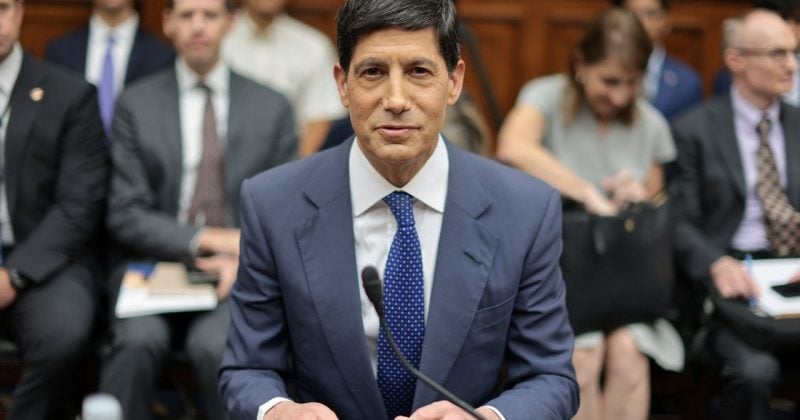
Federal Reserve’s Kevin Warsh vows resolute stance in inflation fight while holding crypto investments in over 30 projects
The new Fed chair told the ECB's annual forum that inflation remains 'too high' and declined to offer any forward guidance on rates
Kevin Warsh, who took office as Federal Reserve Chair in late May 2026, used his first major international stage to make one thing very clear: the Fed isn’t blinking on inflation. Speaking at the European Central Bank’s annual forum on July 1, 2026, Warsh pledged to deliver price stability at the 2% objective and warned that anyone hoping the central bank might tolerate higher inflation would be disappointed.
It’s the kind of statement that sounds routine until you remember the political backdrop. Warsh was confirmed amid sustained pressure from political figures pushing for lower interest rates.
No hints, no hand-holding
Warsh confirmed the Fed’s commitment to independence and declined to offer any forward guidance on upcoming rate decisions. No signals for the July meeting. No breadcrumbs for the months after that.
He did acknowledge one silver lining. Inflation expectations have come down recently, which suggests that markets and consumers are starting to believe the Fed means business. But Warsh characterized inflation itself as still “too high,” framing the progress as encouraging but insufficient.
The crypto elephant in the room
Warsh’s financial disclosures, filed as part of his confirmation process, revealed investments in over 30 crypto-related entities and tokens.
Macro, rates, and crypto—what moved markets and what matters next.
Daily. Free. Join 34,000+ readers across crypto, finance, and policy.
The new Fed chair has described digital assets as embedded in US financial services, a characterization that carries significant weight coming from the person who now oversees the country’s monetary policy apparatus. He also cautioned about fraudulent projects in the space, striking a tone that’s neither cheerleader nor adversary.
What this means for investors
The immediate takeaway is straightforward: don’t expect rate cuts anytime soon. Warsh’s rhetoric at Sintra was calibrated to reset expectations, and the absence of forward guidance means the Fed wants maximum flexibility.
Investors should watch two things closely. First, whether Warsh’s actions match his rhetoric. Second, any regulatory guidance or commentary from Warsh on digital asset oversight, given his personal familiarity with the sector and his characterization of digital assets as embedded in US financial services.